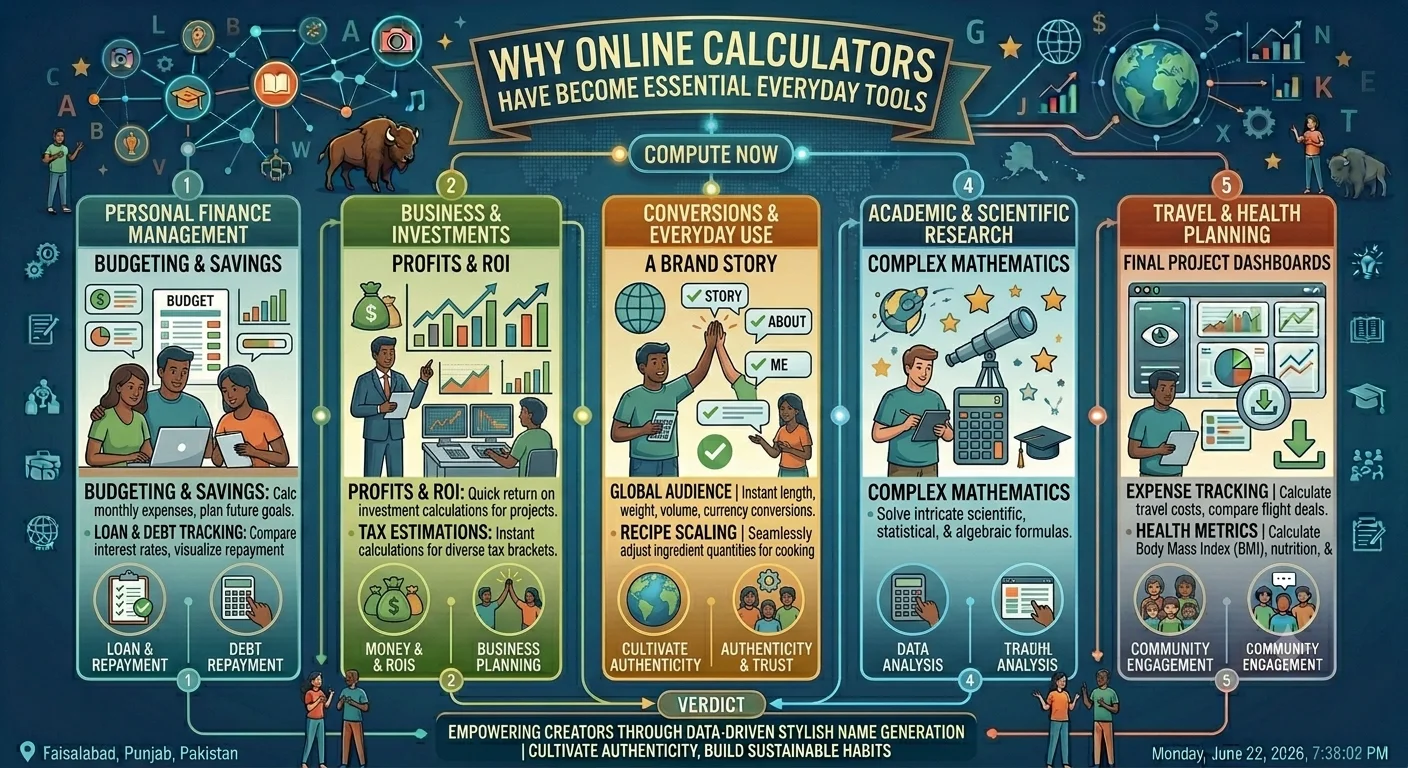
Numbers run our lives more than we realize. From figuring out a monthly loan installment to tracking calories or estimating how much paint a room needs, calculations sit quietly behind almost every decision we make. For a long time, getting these numbers right meant pulling out a notebook, opening a spreadsheet, or worse, guessing. Today, a single web search and a few clicks can give you an accurate, instant answer and that shift is exactly why online calculators have quietly become one of the most useful categories of tools on the internet.
From Manual Math to Instant Answers
Think about the last time you applied for a loan, planned a workout goal, or tried to convert units for a school project. Chances are, instead of doing the math by hand, you typed your numbers into an online calculator and got the result in seconds. This convenience isn't just a time-saver it reduces costly mistakes. A small error in a mortgage calculation or a body measurement estimate can lead to poor financial or health decisions. Purpose-built calculators apply the correct formula every time, removing the guesswork entirely.
This is exactly the gap that dedicated calculator platforms try to fill. Instead of digging through forums or outdated blog posts for the right formula, users can go to a single hub, enter their numbers, and trust the result.The Calculators is one such platform, offering more than 500 free tools spanning finance, health, education, and engineering all built around the same goal of making everyday math fast and reliable.
Why Accuracy and Transparency Matter
Not all calculators are created equal. The best ones don't just spit out a number they show the formula and the steps behind it, so users understand how the result was reached. This step-by-step transparency builds trust, especially for calculations tied to real financial or health outcomes, like loan EMIs, compound interest, or body weight metrics. When a tool shows its working, users can sanity check the result themselves instead of blindly trusting a black box.
This matters even more for health-related calculations, where small input changes can shift the outcome significantly. Take something as simple as checking your Body Mass Index. Rather than memorizing the formula or calculating it manually, most people now use a dedicated tool like a BMI Calculator, enter their height and weight, and get an instant, easy-to-understand result along with the standard weight category it falls into. It's a small example, but it captures exactly why these tools have become so popular: speed, accuracy, and clarity, all in one place.

Calculators for Every Stage of Life
What makes this category of tools so valuable is how broadly applicable it is. A few examples:
-
Students use GPA, grade, and scientific calculators to plan their academic performance throughout the semester.
-
Homeowners and investors rely on mortgage, loan, and compound interest calculators to make informed financial decisions before signing any contract.
Recommended Articles
 GENERAL POSTS
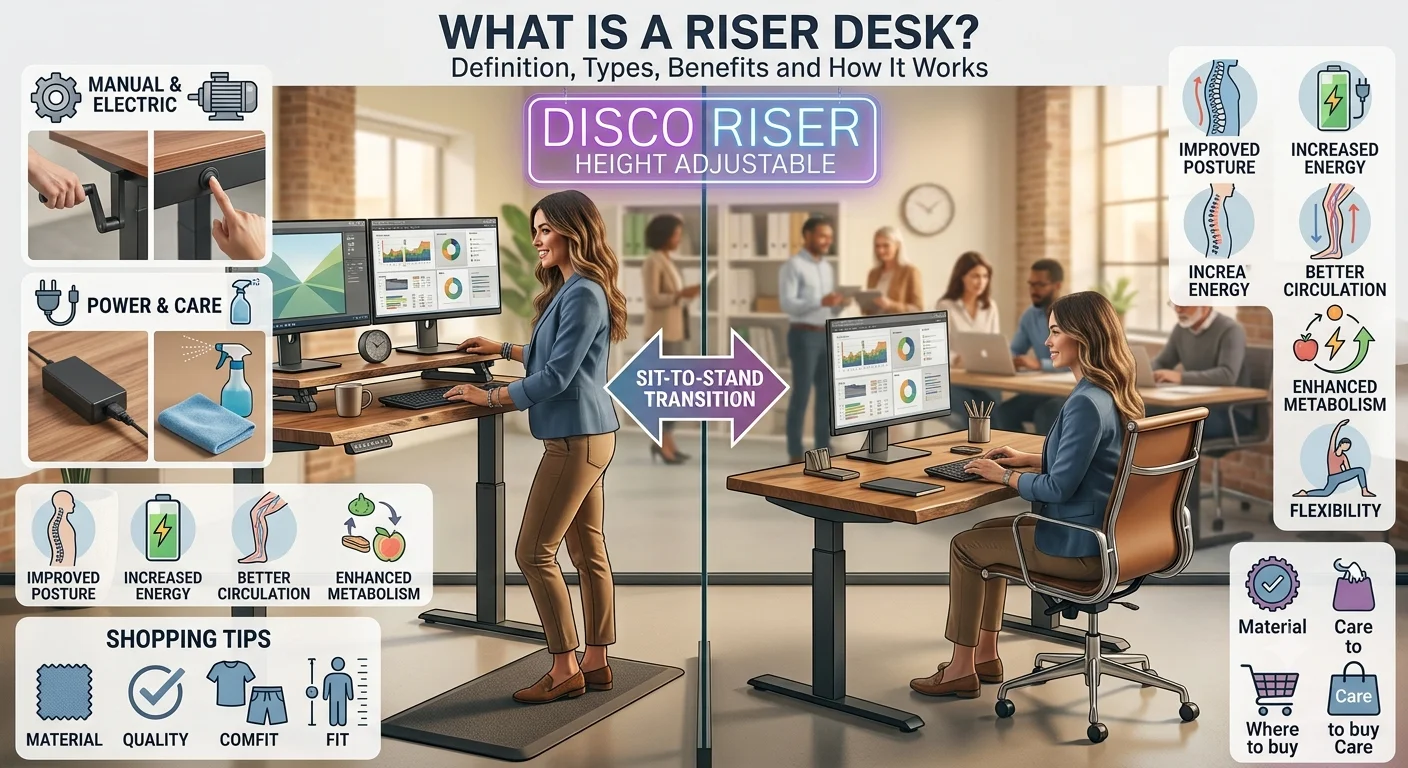
What Is a Riser Desk? Definition, Types, Benefits and How It Works
GENERAL POSTS
What Is a Riser Desk? Definition, Types, Benefits and How It Works GENERAL POSTS
Snow Day Calculator: Will School Be Cancelled Tomorrow?
GENERAL POSTS
Snow Day Calculator: Will School Be Cancelled Tomorrow? GENERAL POSTS
JSON to YAML: A Practical Guide for Developers in 2026
GENERAL POSTS
JSON to YAML: A Practical Guide for Developers in 2026 GENERAL POSTS
Cowgirl Party Hat Styles: The Ultimate Guide to Shop Disco Cowboy Hats for Every Celebration
GENERAL POSTS
Cowgirl Party Hat Styles: The Ultimate Guide to Shop Disco Cowboy Hats for Every Celebration -
Health-conscious individuals track BMI, calorie needs, and body composition to stay on top of fitness goals without guesswork.
-
Engineers and contractors use unit conversion and material estimation tools to plan projects accurately and avoid costly on-site corrections.
A single platform covering all these needs means users don't have to bounce between dozens of niche websites just to solve everyday problems. Instead of bookmarking five different single-purpose sites, one well-organized calculator hub can quietly become a permanent fixture in someone's browser tabs.
The Shift Toward Mobile First API Driven Tools
Another trend worth noting is how calculator platforms are evolving beyond simple static web pages. Many now offer mobile-optimized, app-like experiences with offline support, and some even expose developer APIs so that other businesses can embed calculation logic directly into their own apps and websites. This is particularly useful for fintech apps, health platforms, and educational tools that want accurate, pre-built calculation logic without the overhead of building and maintaining it themselves.
This API-driven approach also reflects a broader shift in how people expect to interact with the web: not just as a place to read information, but as a place to get immediate, actionable answers. A calculator that returns a result in fifty milliseconds, with a clear explanation attached, fits that expectation perfectly.
A Tool for Everyday Decision Making Not Just Emergencies
It's easy to think of calculators as something you only reach for during big moments applying for a mortgage, starting a diet plan, or finishing a homework assignment. In reality, the bigger value comes from smaller, everyday use. Quickly checking how much interest a savings account will earn over five years, converting a recipe's measurements, or estimating how many tiles a small bathroom needs these are minor decisions, but they add up. Having a reliable, free tool ready for these moments, without ads getting in the way of the answer or hidden fees for "premium" features, makes a real difference in day-to-day life.
- Stylish Name Generator Tool: The Ultimate Guide to Creating Cool and Fancy Names Online
- InstaPV Instagram Story Viewer Tool Viewing Stories Anonymously
Final Thoughts
Online calculators may seem like a small convenience, but they save time, reduce errors, and make complex math accessible to anyone student, professional, or everyday user. As more of these tools add step-by-step explanations, mobile support, and API access, they're shifting from "nice to have" utilities to essential parts of how people plan their finances, health, and projects.
Whether it's working out a loan repayment schedule, checking a BMI Calculator result before starting a new fitness routine, or simply browsing what's available on a hub like The Calculators, the underlying idea stays the same: good calculators don't just give you a number, they help you make a better decision. If you haven't explored a comprehensive calculator platform yet, it's worth bookmarking one that covers all your needs in a single place.