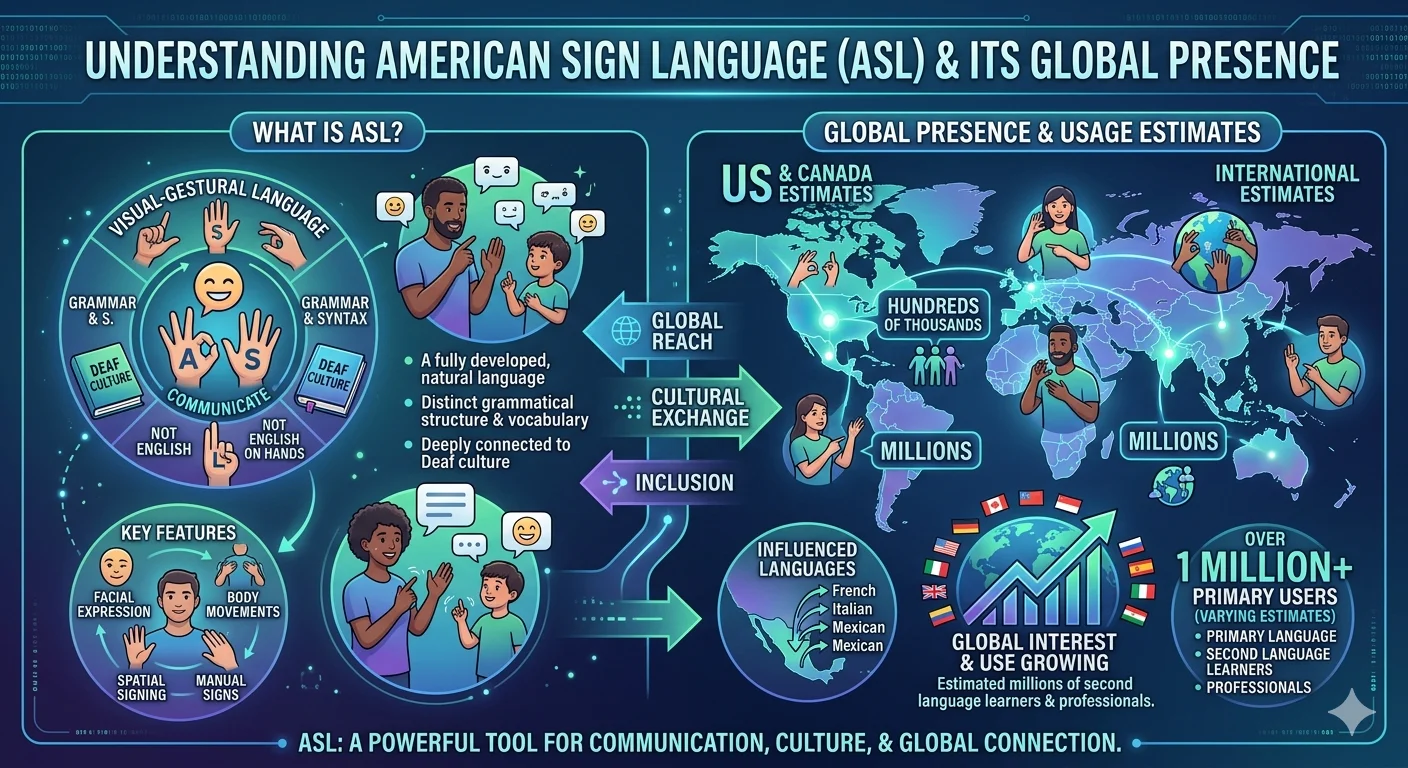
American Sign Language or ASL is a complete natural human language expressed through handshapes movement facial expressions and body position rather than spoken sound. It is the primary language of the deaf and hard of hearing community in the United States and English speaking Canada and it is one of the most widely used languages in North America. Understanding what ASL is and where it came from helps explain why it matters so deeply to millions of people.
What makes ASL a real language
ASL is not a simplified version of English and it is not a system of gestures that approximate spoken words. It is a fully developed language with its own grammar vocabulary sentence structure and rules that differ significantly from English.
In English sentences typically follow a subject verb object order. In ASL the order can change depending on what the signer wants to emphasize. ASL uses space in front of the signer's body to establish relationships between people places and ideas. A signer can point to a location in space to refer back to a person or thing they mentioned earlier without repeating the full sign. This use of spatial grammar is one of the features that makes ASL linguistically fascinating.
Linguists formally recognized ASL as a true language in the 1960s when researcher William Stokoe published his landmark analysis of its grammatical structure. Before Stokoe's work many educators and hearing people dismissed sign languages as primitive gestures. His research changed that view permanently.
How many people use ASL
Estimating ASL users is difficult because census and language surveys do not always count sign language users reliably. The most commonly cited estimate is that between 250000 and 500000 people in the United States use ASL as their primary language. Some researchers believe the number could be higher.
- How to Learn ASL at Home for Beginners Step by Step Guide
- Sign Language vs Spoken Language Key Differences Explained
When you include people who use ASL as a second language such as hearing children of deaf parents students learning ASL in schools and universities and professionals like interpreters social workers and teachers the number of people with meaningful ASL skills in North America rises into the millions.
ASL is among the top five most studied languages at American universities. It has grown in popularity as a foreign language option for hearing students who recognize both its cultural richness and its practical value in working with deaf communities.
The history of ASL
ASL's origins trace back to the early 19th century. When the American School for the Deaf opened in Hartford Connecticut in 1817 it brought together deaf students from across the country. These students came with their own home sign systems that families had developed informally. They also had access to French Sign Language brought by Laurent Clerc a deaf educator who came from Paris to help establish the school.
Over time the different sign systems used by students merged and evolved into a new unified language. This language spread as students graduated and moved to other parts of the country to teach or establish new schools. By the mid-1800s ASL had taken shape as a distinct language with consistent patterns used across a wide geographic area.
ASL vs other sign languages
A common misconception is that sign language is universal. Every country has its own sign language that developed independently among its own deaf community. ASL and British Sign Language BSL are completely different despite the fact that American and British hearing people share a spoken language. An ASL user and a BSL user would not understand each other without learning the other's language.
Because ASL descends partly from French Sign Language it actually shares more vocabulary with French Sign Language than with BSL. This linguistic family relationship is called sign language kinship and it shows how sign languages have their own family trees just like spoken languages.
Recommended Articles
 SIGN LANGUAGE EDUCATION
 SIGN LANGUAGE EDUCATION
 SIGN LANGUAGE EDUCATION
 SIGN LANGUAGE EDUCATION
The structure of ASL grammar
Understanding a few key features of ASL grammar helps hearing people appreciate how sophisticated the language is.
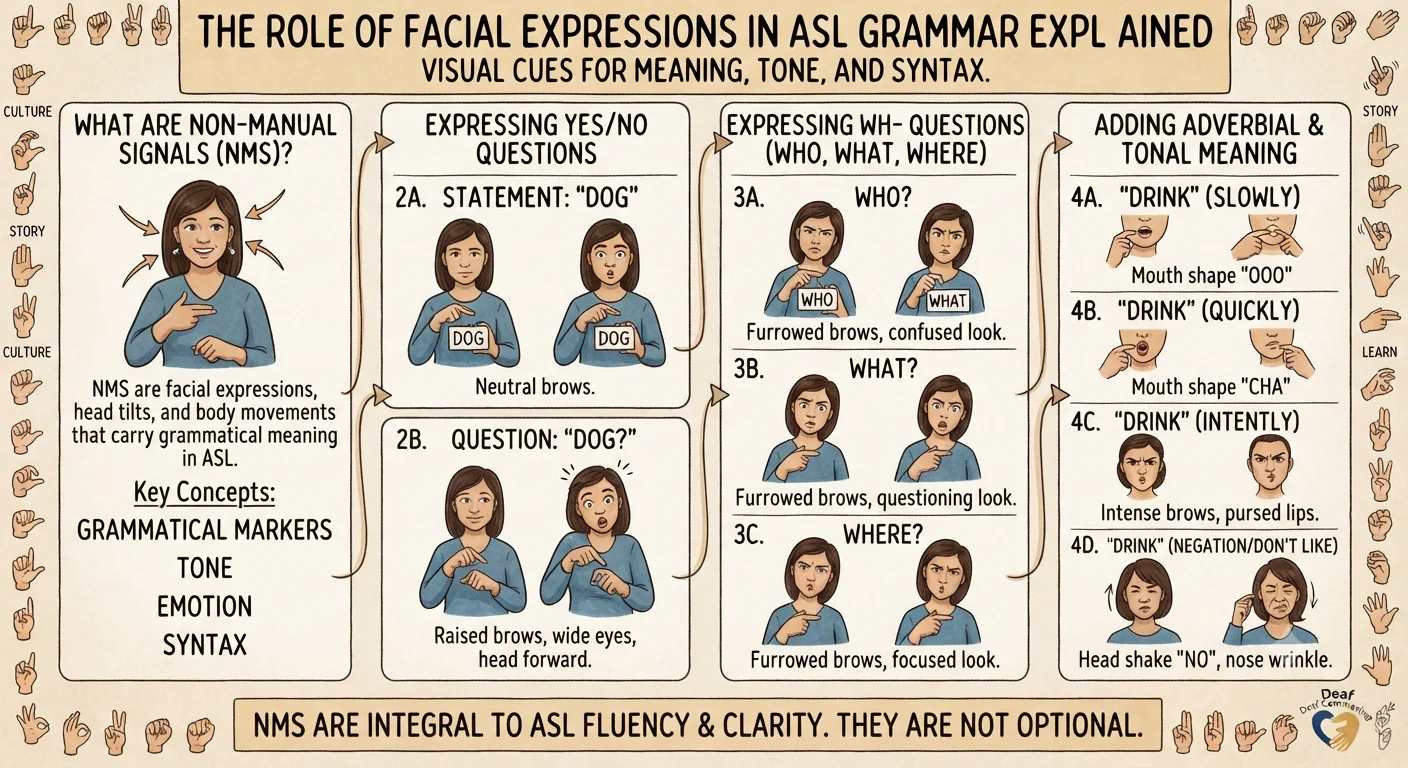
Facial expressions in ASL are not optional emotional additions. They are grammatical markers. A particular eyebrow position can change a statement into a yes or no question. A different facial expression marks a topic or shows that a clause is conditional. Without correct facial expression an ASL sentence can be grammatically incomplete or change meaning entirely.
- ASL Alphabet Chart with Pictures Complete Visual Guide
- History of Sign Languages Across Different Countries
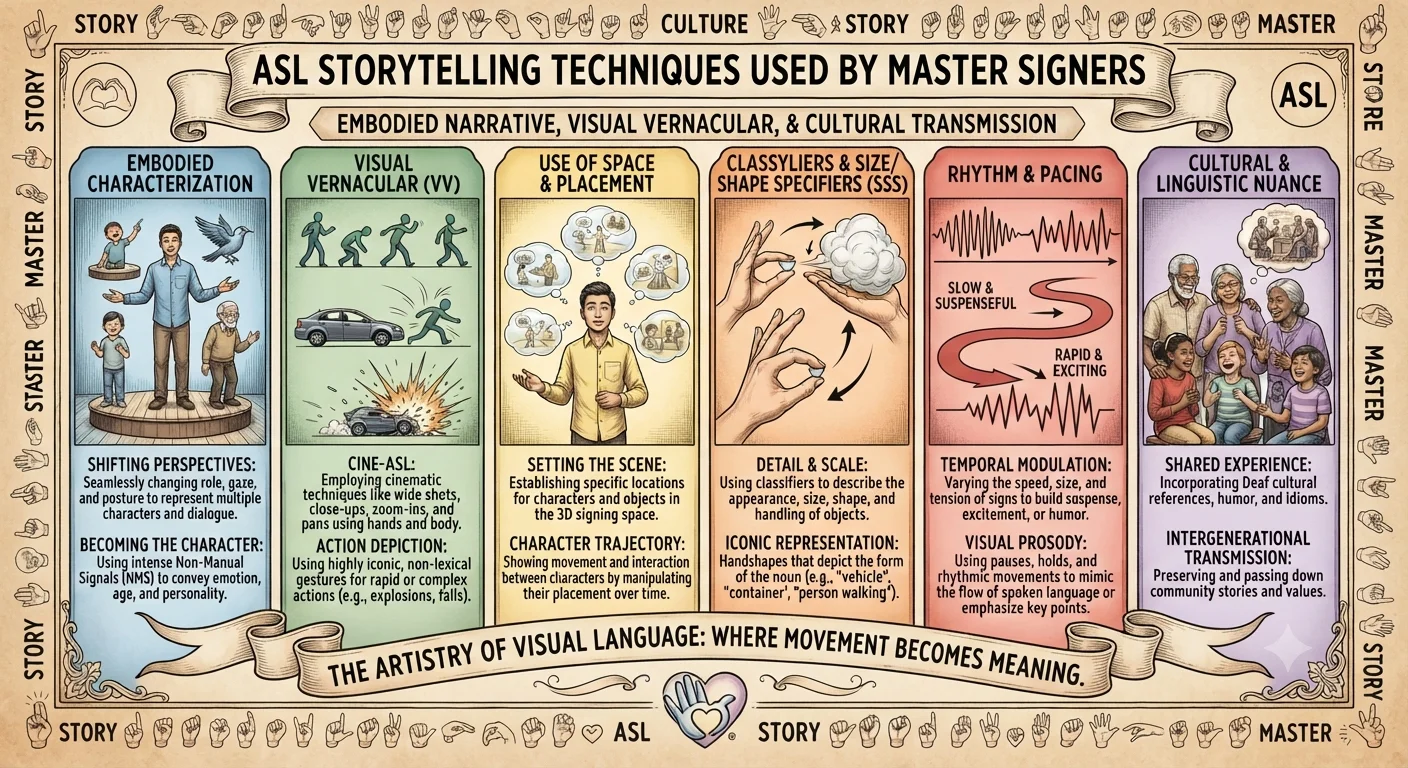
Classifiers are another distinctive feature of ASL. A classifier is a handshape that represents a category of noun and can be moved through space to show how things are positioned or how they move relative to each other. A skilled signer can describe a car accident or a landscape or a dance performance with extraordinary precision using classifiers in ways that spoken language cannot replicate.
Why ASL matters beyond the deaf community
ASL has benefits that reach well beyond the deaf community. Research has shown that teaching hearing infants basic signs before they can speak reduces frustration and may support early language development. Baby sign language programs have become popular with hearing parents of hearing children for exactly this reason.
In healthcare law enforcement education and social services ASL fluency can be essential for serving deaf clients safely and effectively. The shortage of qualified ASL interpreters is a serious access problem in many regions of the United States and this shortage has real consequences for deaf people trying to access healthcare legal support and other services.
How to start learning ASL
ASL is a learnable language for anyone willing to commit to studying it. Unlike spoken foreign languages ASL requires no vocal production which some learners find freeing. It does require learning to move and coordinate the hands face and body in new ways.
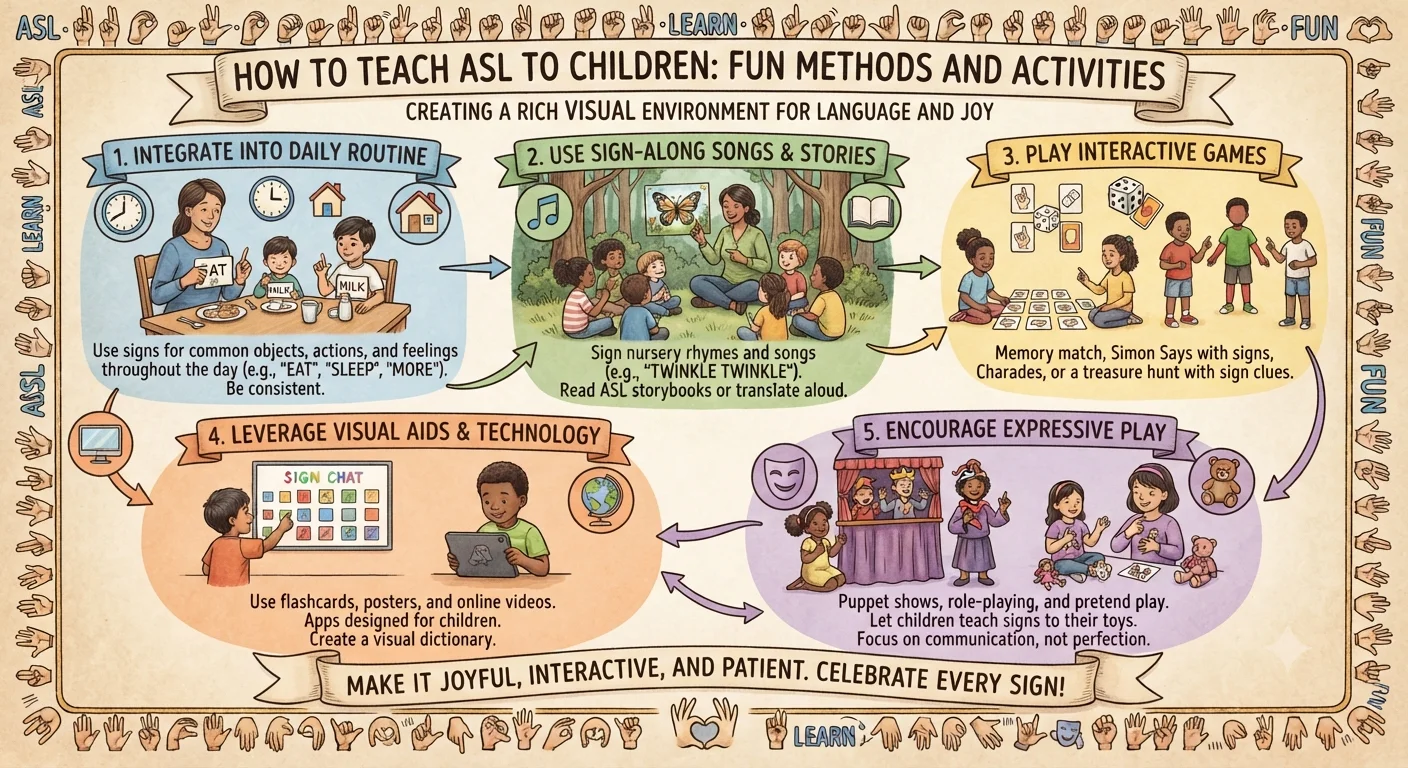
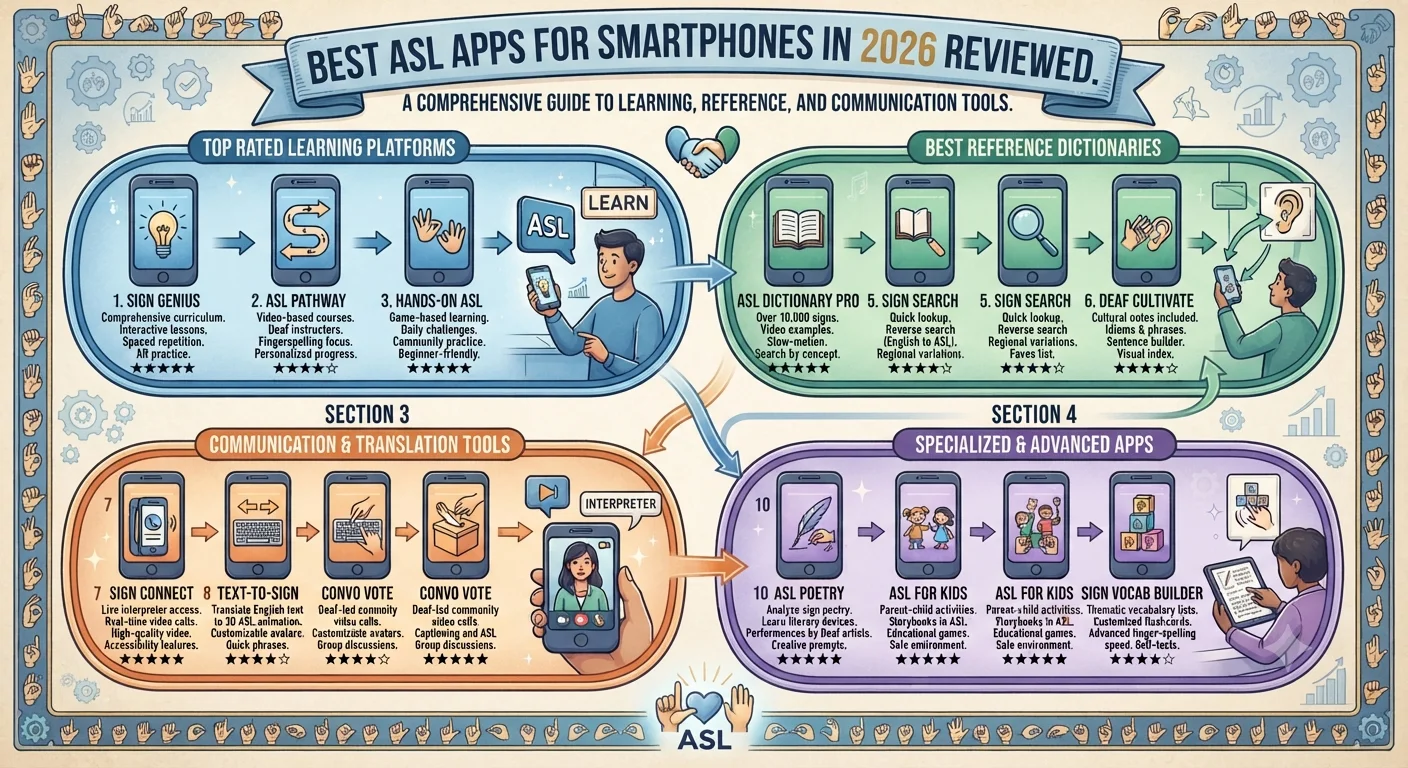
The best way to learn ASL is through combination of structured classes with a qualified instructor ideally a deaf instructor and regular practice with native or fluent signers. Online platforms including university programs and dedicated ASL learning apps have made beginning to learn ASL more accessible than ever.
Visiting deaf community events joining ASL conversation circles and watching ASL content created by deaf signers online are all ways that learners can immerse themselves in the language beyond the classroom.
Conclusion
ASL is a complete and beautiful language with a rich history a sophisticated grammar and a living community of users who express their full humanity through it every day. It is not a workaround or a substitute for spoken language. It is one of the many extraordinary ways human beings have found to communicate with each other. For millions of people in North America it is not just a language. It is the language of home identity and belonging.
FAQ
Is ASL the same as sign language? No. ASL is one of many sign languages in the world. Each country and region has developed its own sign language with its own grammar and vocabulary.
How long does it take to become fluent in ASL? Like any language fluency in ASL depends on how intensively you study and how much you practice with native signers. Most students in a structured program develop conversational ability in one to two years of regular study.
Can deaf people from different countries understand each other? Not automatically because each country has its own sign language. However there is an International Sign system used at international deaf events and gatherings that provides a shared communication framework across language boundaries.