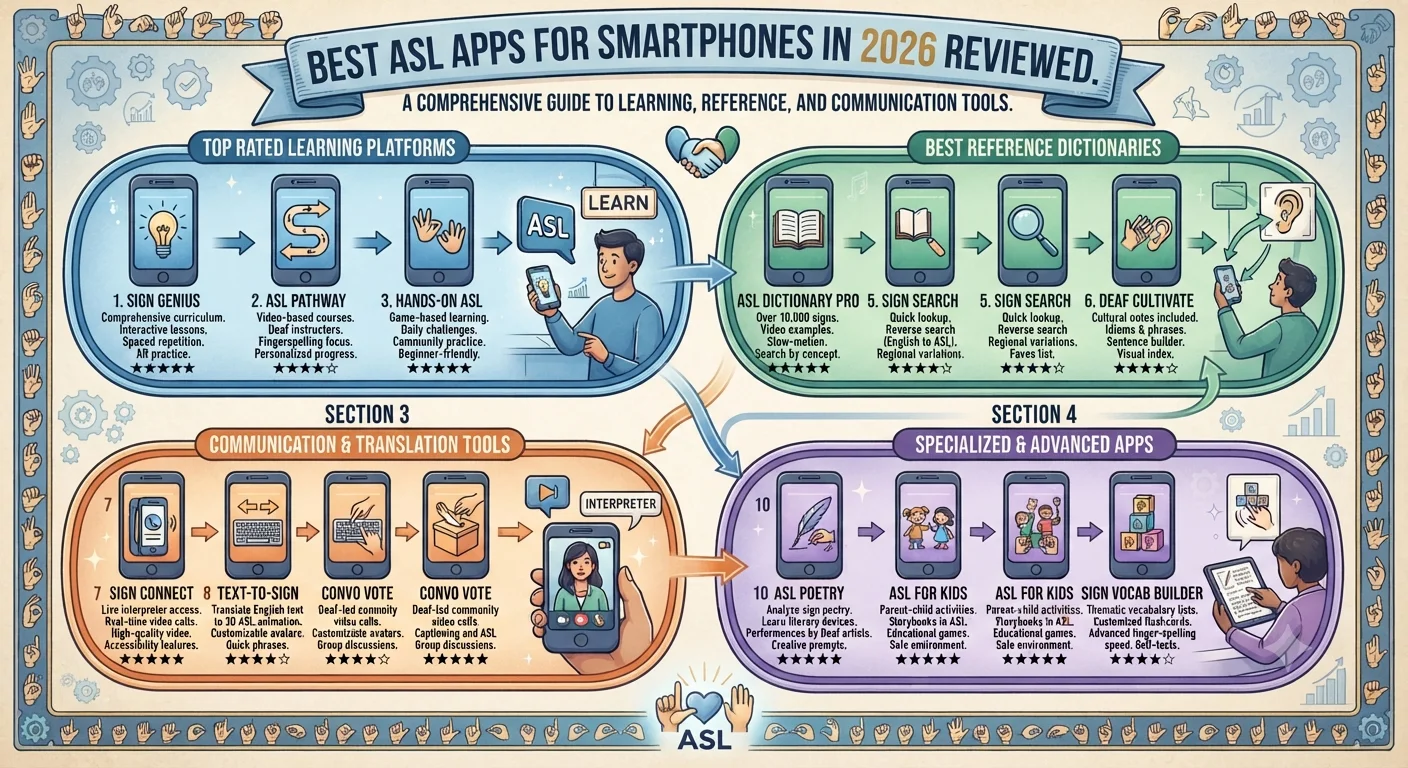
Discover the best ASL apps for smartphones in 2026 with honest reviews covering features learning effectiveness and which apps work best for different learner goals.
Smartphone apps have become one of the most convenient ways for beginners and intermediate learners to build ASL vocabulary practice signs and access sign language learning content whenever and wherever they have a few minutes to study. This honest review guide covers the best ASL apps available in 2025 explaining what each does well what its limitations are and which types of learners will benefit most from each option.
What to Look for in an ASL Learning App
Before reviewing specific apps it is worth understanding what distinguishes a genuinely useful ASL learning app from one that looks impressive but does not actually support effective language learning. The most important quality in any ASL app is video quality and authenticity since sign language is a visual language that can only be properly learned by watching clear video demonstrations of signs performed by genuinely fluent signers ideally deaf native signers rather than hearing learners performing signs with potentially inaccurate rhythm or facial expression.
Organizational structure matters significantly since apps that organize vocabulary thematically and progress logically from foundational to more complex content support systematic learning far better than apps that present vocabulary in random or purely alphabetical order without pedagogical sequence. Grammar instruction is another important differentiator since apps that address ASL grammar rather than only vocabulary help learners understand how signs function within real language rather than as isolated translation equivalents for English words.
ASL Apps Focused on Vocabulary Building
- What to Look for in an ASL Learning App
- ASL Apps Focused on Vocabulary Building
- Apps with Structured Learning Courses
- Apps Using AI for Sign Recognition Feedback
- Apps for Deaf Children and Family Learning
- How to Integrate Apps into a Complete ASL Learning Plan
- Limitations All ASL Learners Should Know About Apps
- Conclusion
- FAQ
- Can someone learn ASL well enough for real conversation using only smartphone apps?
- What is the most important quality to look for in an ASL learning app?
- Are AI powered ASL feedback apps reliable for learning correct signing?
Several apps specifically target ASL vocabulary development providing large searchable libraries of sign videos organized by category or searchable by English word. These dictionary style apps are most valuable as reference tools for looking up specific signs during or after other learning activities rather than as primary learning platforms since browsing vocabulary without structured sequence or grammar instruction produces limited language development compared to more systematically organized learning approaches.
- The Role of Facial Expressions in ASL Grammar Explained
- ASL Classifiers What They Are and How They Work
- Differences Between ASL BSL Auslan and Other Sign Languages
The best vocabulary focused apps include multiple example sentences showing how each sign is used in context rather than only the isolated sign which helps learners understand grammatical usage alongside basic meaning. High quality video demonstration from multiple angles with clear facial expression modeling represents another important quality marker for vocabulary apps since sign details are only fully learnable from clear close video.
Apps with Structured Learning Courses
Several ASL apps offer structured learning courses that progress learners through organized curriculum rather than leaving them to navigate vocabulary libraries independently. These course structured apps typically work best for beginners who benefit from guided progression through foundational vocabulary and basic grammar before encountering more complex content.
The quality of grammar instruction varies significantly across course structured ASL apps with some providing meaningful grammatical explanation of how ASL differs from English while others present signs essentially as English word equivalents without adequate attention to the genuinely different grammatical system within which those signs function in real ASL. Learners serious about developing genuine ASL fluency rather than basic word knowledge should prioritize apps that address grammar explicitly rather than treating ASL as a vocabulary list.
Apps Using AI for Sign Recognition Feedback
A newer generation of ASL learning apps incorporates AI powered sign recognition that attempts to evaluate learners' signing through the smartphone camera and provide feedback on accuracy. This technology represents an exciting direction for ASL learning since getting feedback on your own signing is one of the most challenging aspects of self directed ASL learning without access to a qualified instructor.
Recommended Articles
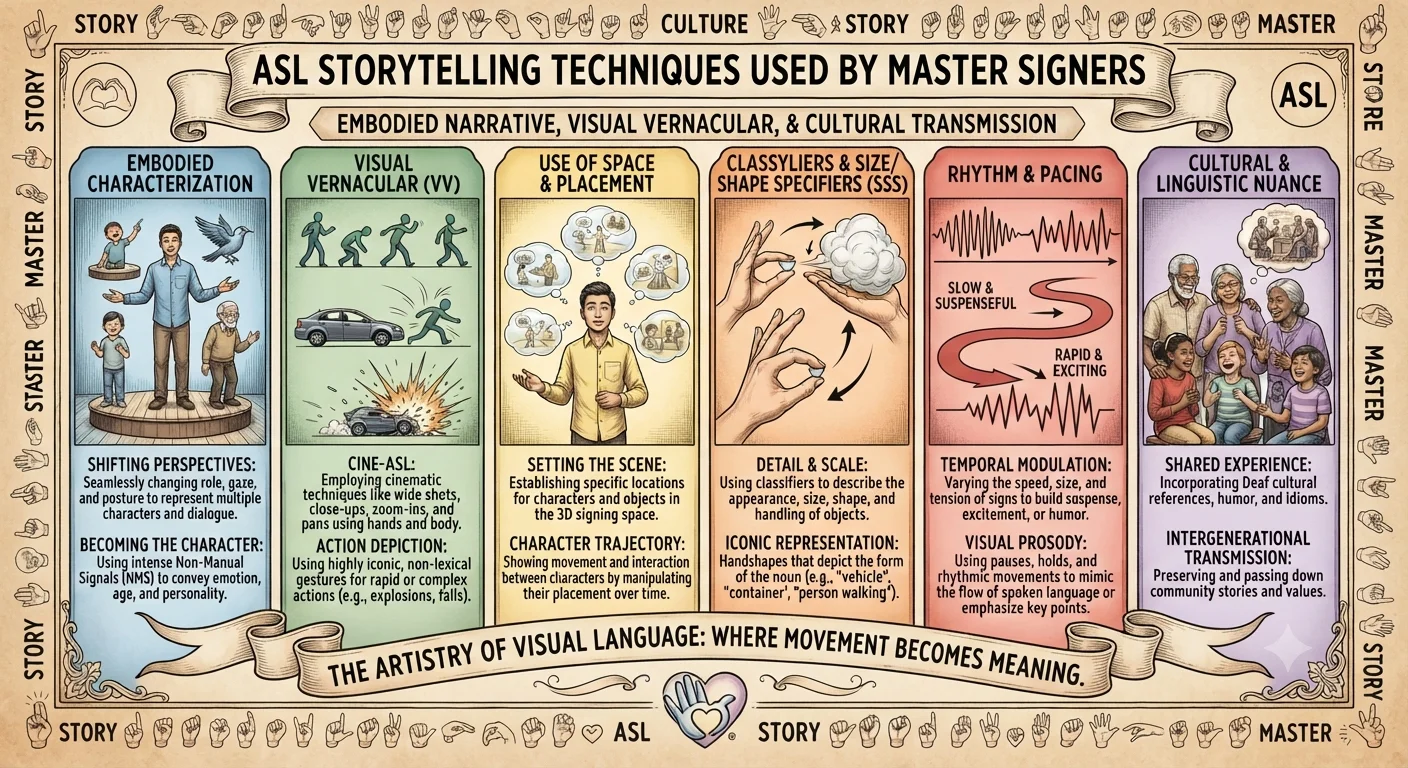 SIGN LANGUAGE EDUCATION
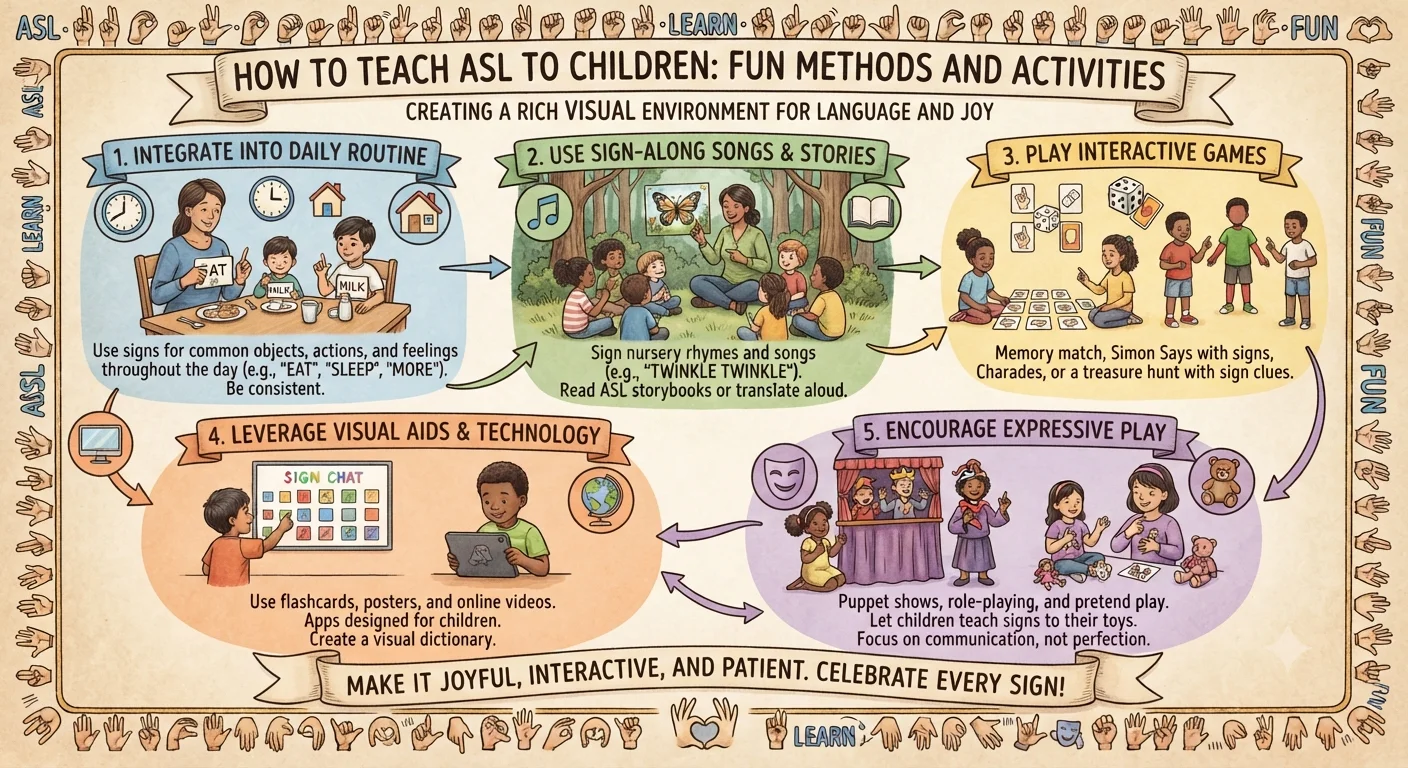 SIGN LANGUAGE EDUCATION
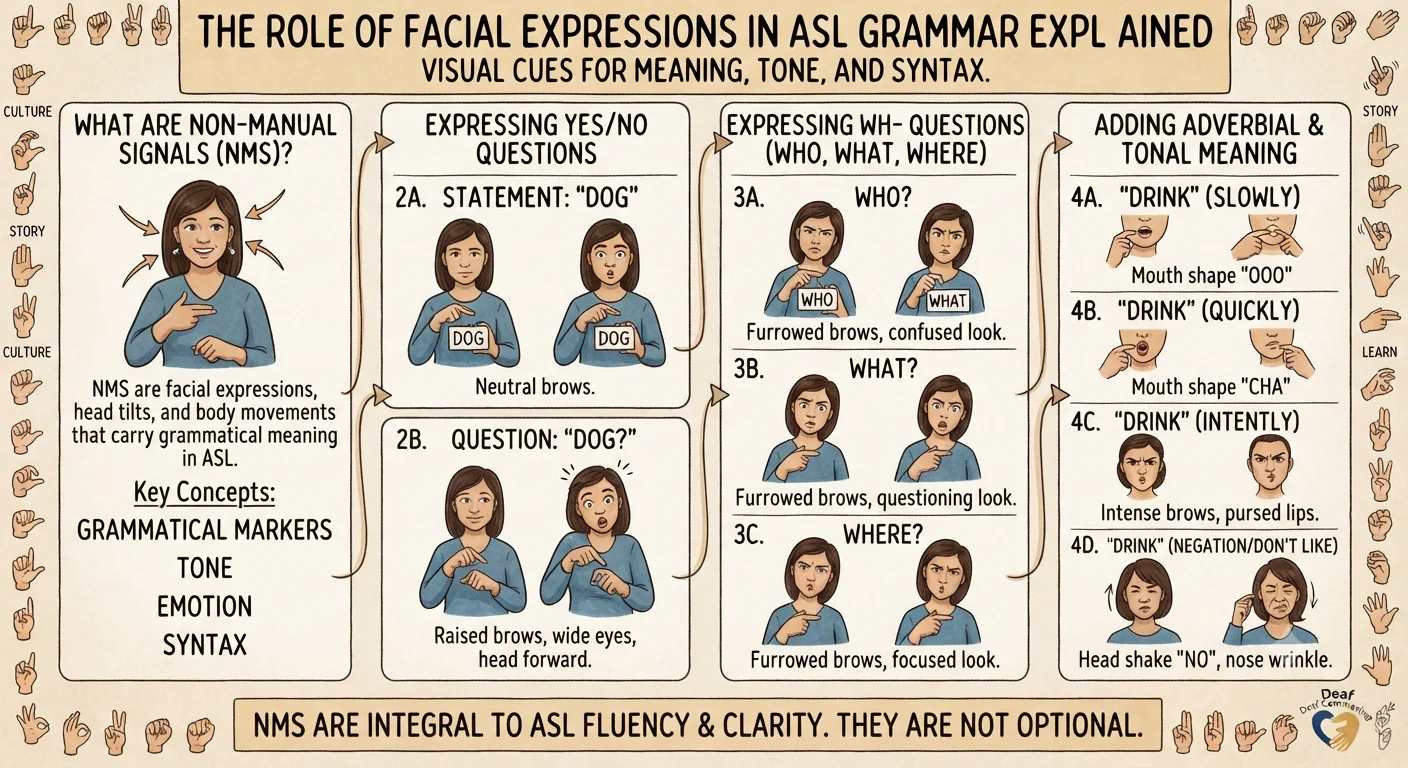 SIGN LANGUAGE EDUCATION
 SIGN LANGUAGE EDUCATION
Current AI sign recognition technology has meaningful limitations in 2026 with most systems performing more reliably for basic isolated vocabulary signs than for the continuous flowing signing with facial expression and spatial grammar that characterizes real ASL communication. Learners should view AI feedback as a useful supplementary tool rather than a reliable substitute for evaluation by a qualified human instructor particularly for more advanced aspects of ASL production that current technology cannot assess accurately.
Apps for Deaf Children and Family Learning
Several apps are specifically designed for families learning ASL together or for introducing young children to sign language in age appropriate ways. These family and children focused apps typically emphasize visual engagement gamification and the specific vocabulary most relevant to young children and family communication contexts rather than adult focused vocabulary priorities.
For hearing families of deaf children specifically these apps can provide a convenient supplement to formal ASL instruction that helps reinforce learning in home contexts between formal lessons though they work best as supplements to rather than replacements for genuine instruction from qualified deaf ASL instructors whenever this is accessible.
How to Integrate Apps into a Complete ASL Learning Plan
The most effective use of ASL apps places them within a broader learning plan that also includes other resource types rather than relying on apps as the sole learning tool. Apps work best for convenient vocabulary review and practice between more intensive learning sessions with instructors or fluent signing partners. Using an app for fifteen to twenty minutes of daily vocabulary practice while attending weekly classes or regular conversation practice sessions with fluent signers creates a more comprehensive and effective learning environment than any single resource can provide independently.
Limitations All ASL Learners Should Know About Apps
Every ASL learner relying significantly on apps should understand their fundamental limitations for language acquisition. No app can fully replicate the experience of real conversation with a fluent signer which remains the most powerful accelerator of genuine language development. Apps also typically cannot provide feedback on your facial expression spatial grammar or overall signing flow the way a qualified human instructor can making them insufficient alone for learners pursuing professional level ASL fluency.
Conclusion
ASL apps in 2026 offer genuinely useful learning support particularly for vocabulary building daily practice reinforcement and convenient access to sign demonstrations whenever a learner has a few minutes available. The best results come from using multiple apps strategically within a broader learning plan that also includes instruction from qualified deaf educators and regular practice with fluent signing partners rather than treating any single app as a complete learning solution.
FAQ
Can someone learn ASL well enough for real conversation using only smartphone apps?
Apps can build useful foundational vocabulary but developing genuine conversational fluency requires practice with real fluent signers and instruction from qualified educators that apps alone cannot replicate regardless of how comprehensive their content may be.
What is the most important quality to look for in an ASL learning app?
Video quality and authenticity showing signs performed by genuinely fluent ideally deaf native signers with clear demonstration of handshape movement and facial expression is the most critical quality factor since sign language can only be properly learned through accurate visual modeling.
Are AI powered ASL feedback apps reliable for learning correct signing?
Current AI sign recognition technology in 2026 provides useful supplementary feedback for basic isolated vocabulary signs but has meaningful limitations for evaluating the continuous signing facial expression and spatial grammar of real ASL communication making human instructor feedback still essential for comprehensive skill development.