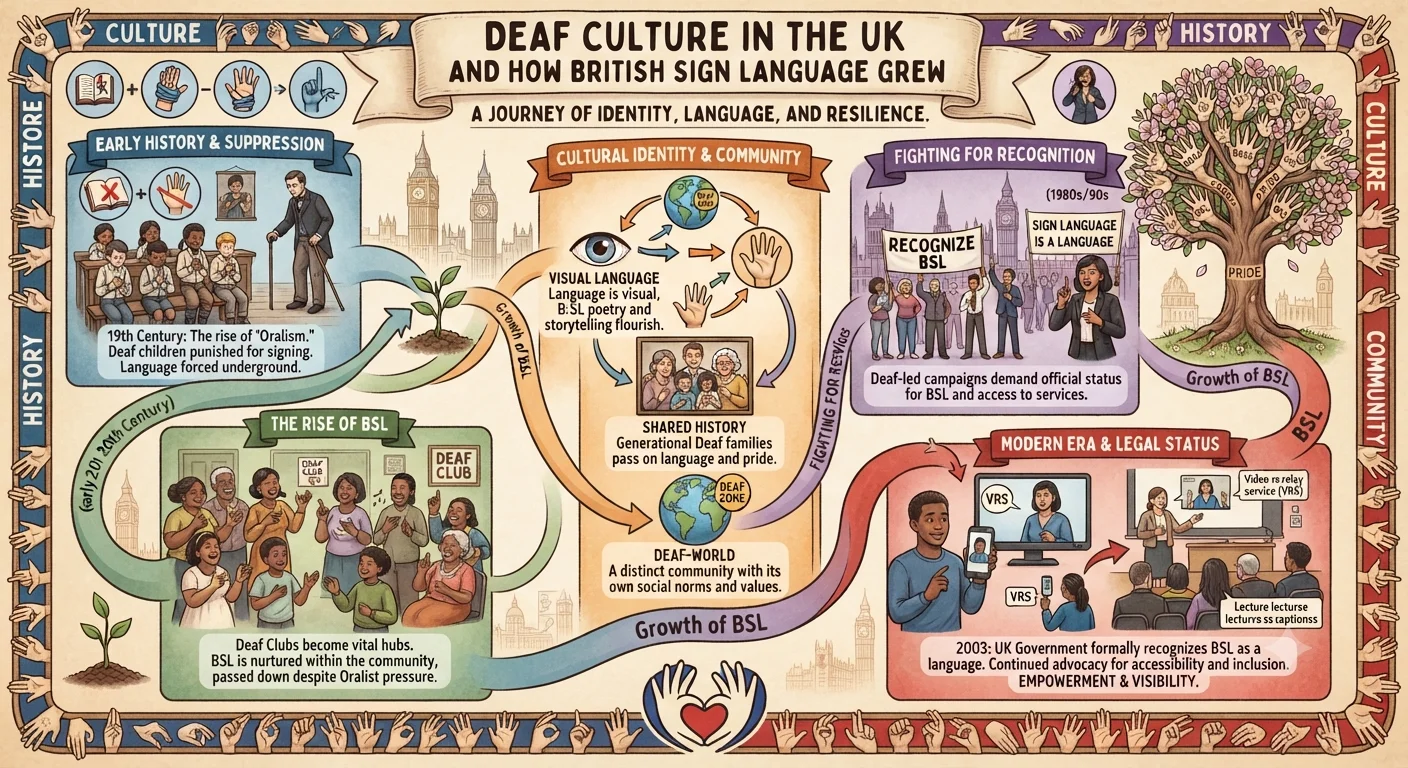
Explore deaf culture in the UK and how British Sign Language grew from community origins to official recognition and a thriving cultural movement.
Deaf culture in the United Kingdom has a rich and distinctive history shaped by the independent development of British Sign Language the establishment of dedicated deaf schools and community institutions and a long tradition of deaf advocacy that eventually secured formal recognition of BSL as an official language of the United Kingdom. Understanding how British deaf culture developed and how BSL grew from community origins to official recognition reveals a compelling story of cultural resilience and community building.
The Origins of Deaf Education in Britain
Formal deaf education in Britain has roots stretching back to the 18th century when pioneering educators began developing methods for teaching deaf students that would eventually contribute to the development of British Sign Language as a recognized and documented language. Early deaf schools established in cities including Edinburgh and London brought deaf students together in environments where shared visual communication could develop and be transmitted between students and across generations.
Thomas Braidwood established one of the earliest known schools for deaf students in Edinburgh in 1760 and later in London providing an important early institutional context for deaf education in Britain. The communication methods used in these early British schools developed along different pathways from the French influenced approaches that shaped American deaf education contributing to BSL's distinct character compared to ASL.
How British Sign Language Developed
- The Origins of Deaf Education in Britain
- How British Sign Language Developed
- The Impact of Oralism on British Deaf Culture
- British Deaf Community Institutions and Organizations
- BSL Recognition as an Official Language in 2003
- British Deaf Arts and Cultural Expression
- Contemporary Deaf Culture in the UK
- Conclusion
- FAQ
- When was British Sign Language officially recognized as a language of the UK?
- How does British Sign Language differ from American Sign Language?
- What is the British Deaf Association and when was it founded?
British Sign Language developed organically within Britain's deaf community over centuries as deaf people gathered in schools community clubs and social settings where shared visual communication could grow into a complete and consistent language. BSL has its own entirely distinct grammar vocabulary and regional dialects that developed within British deaf community contexts rather than being influenced by the French Sign Language origins that shaped ASL's development.
The two handed fingerspelling alphabet used in BSL is one of its most immediately recognizable distinguishing features compared to the one handed ASL alphabet and reflects BSL's independent developmental path. BSL also has significant regional dialect variation with different parts of the UK maintaining distinct vocabulary and signing style variations that reflect the historical relative isolation of different regional deaf communities before modern transportation and communication enabled greater national community connection.
The Impact of Oralism on British Deaf Culture
Like deaf communities in many countries British deaf culture was significantly affected by the spread of oralist educational philosophy following the 1880 Milan Conference which influenced British deaf schools toward suppressing BSL in favor of oral education methods. This oralist period caused significant harm to BSL transmission and deaf cultural continuity in Britain as in other countries though deaf community members continued using BSL outside formal educational settings maintaining the language through community networks even when it was suppressed within schools.
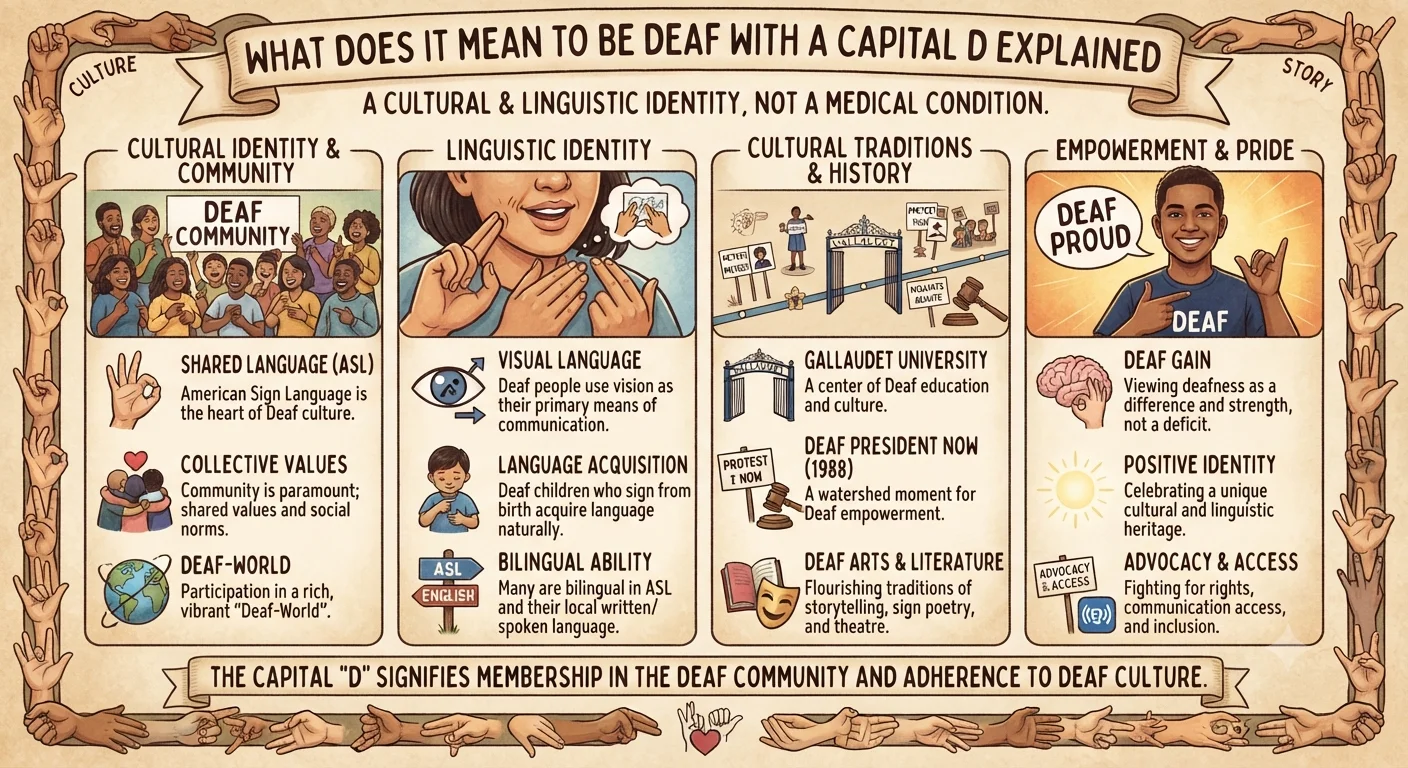
- What Does It Mean to Be Deaf with a Capital D Explained
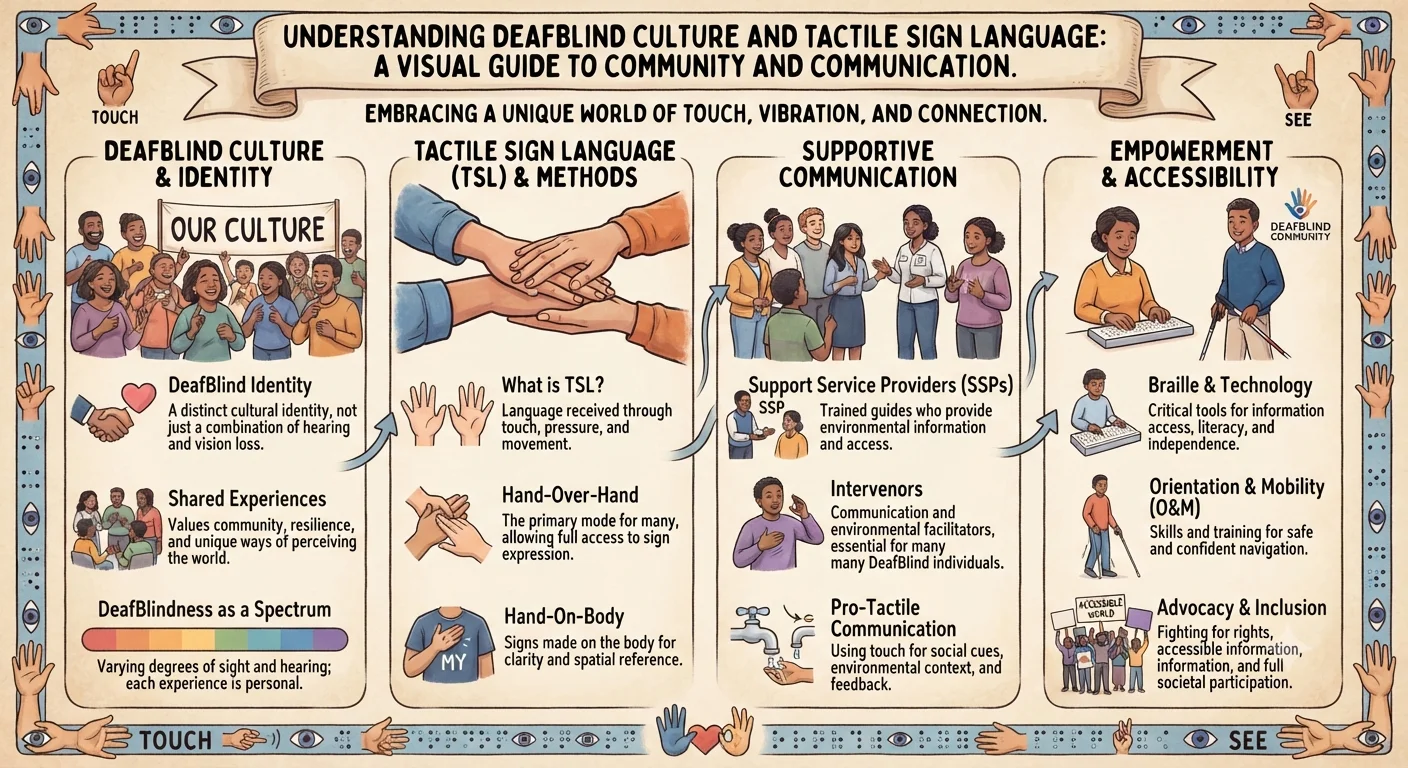
- Understanding DeafBlind Culture and Tactile Sign Language
- Deaf Culture in Japan Korea and Asia Complete Overview
The recovery and revitalization of BSL following the gradual decline of strict oralism in British deaf education represents an important chapter in British deaf cultural history demonstrating the resilience of the language and community in maintaining cultural transmission through community networks even during periods of severe institutional suppression.
British Deaf Community Institutions and Organizations
Britain has a long tradition of deaf community clubs churches and organizations that have served as vital cultural institutions maintaining deaf community life and BSL transmission across generations. The British Deaf Association founded in 1890 is one of the oldest deaf community organizations in the world and has played a central role in advocating for deaf rights BSL recognition and deaf cultural preservation throughout its long history.
Recommended Articles
 DEAF CULTURE AND HISTORY
 DEAF CULTURE AND HISTORY
 DEAF CULTURE AND HISTORY
 DEAF CULTURE AND HISTORY
Local deaf clubs across Britain historically served as central community gathering places where deaf people could socialize use BSL freely and maintain cultural connections that formal educational and professional settings often constrained. While many traditional deaf clubs have seen declining membership in recent decades as communication technology has changed how deaf people maintain community connections their historical significance in sustaining British deaf culture through challenging periods cannot be overstated.
BSL Recognition as an Official Language in 2003
A landmark moment in British deaf cultural history came in 2003 when the UK government formally recognized British Sign Language as an official language of the United Kingdom. This recognition represented the culmination of decades of advocacy by the British deaf community and was celebrated as a major victory that affirmed BSL's status as a complete and valued language deserving of official recognition and protection rather than a practical tool to be tolerated while oral communication remained the goal.
This formal recognition has had ongoing practical implications for BSL provision in public services deaf education policy and the broader cultural status of BSL within British society though advocates note that formal recognition has not automatically translated into the full practical accessibility improvements and BSL provision that the deaf community continues working toward.
British Deaf Arts and Cultural Expression
British deaf culture has a vibrant arts tradition including deaf theatre visual art BSL poetry and comedy that reflects the distinctive character of British deaf community life and BSL as a performance language. Organizations supporting deaf arts in Britain have worked to platform deaf British artists and create performance opportunities that celebrate BSL as a vehicle for artistic expression rather than only a practical communication tool.
British deaf theatre has produced notable work and performers who have gained both deaf community recognition and mainstream critical attention demonstrating the same capacity for exceptional artistic achievement seen in American deaf theatre while maintaining the distinctly British cultural character that shapes how BSL based artistic expression differs from its American counterparts.
Contemporary Deaf Culture in the UK
Contemporary British deaf culture continues evolving in response to technological changes cochlear implant debates and shifting demographics within the deaf community. Social media and video communication technology have created new ways for deaf British community members to maintain connection and share BSL content while also creating new platforms for deaf British artists and advocates to reach broader audiences beyond traditional community networks and events.
Conclusion
Deaf culture in the UK has developed along a distinctive path shaped by BSL's independent development Britain's particular deaf education history and a long tradition of community advocacy that culminated in BSL's official recognition in 2003. Understanding this history provides important context for appreciating how deaf cultures develop differently across national contexts even while sharing certain universal values around language community and cultural pride that unite deaf communities worldwide.
FAQ
When was British Sign Language officially recognized as a language of the UK?
British Sign Language was formally recognized as an official language of the United Kingdom in 2003 following decades of advocacy by the British deaf community celebrating BSL's status as a complete and valued language deserving official recognition.
How does British Sign Language differ from American Sign Language?
BSL and ASL are entirely distinct languages with different grammar vocabulary and fingerspelling systems BSL uses a two handed alphabet while ASL uses one hand that developed independently within their respective deaf communities with no direct linguistic relationship between them.
What is the British Deaf Association and when was it founded?
The British Deaf Association founded in 1890 is one of the oldest deaf community organizations in the world and has played a central role in advocating for deaf rights BSL recognition and deaf cultural preservation throughout its long history in the United Kingdom.