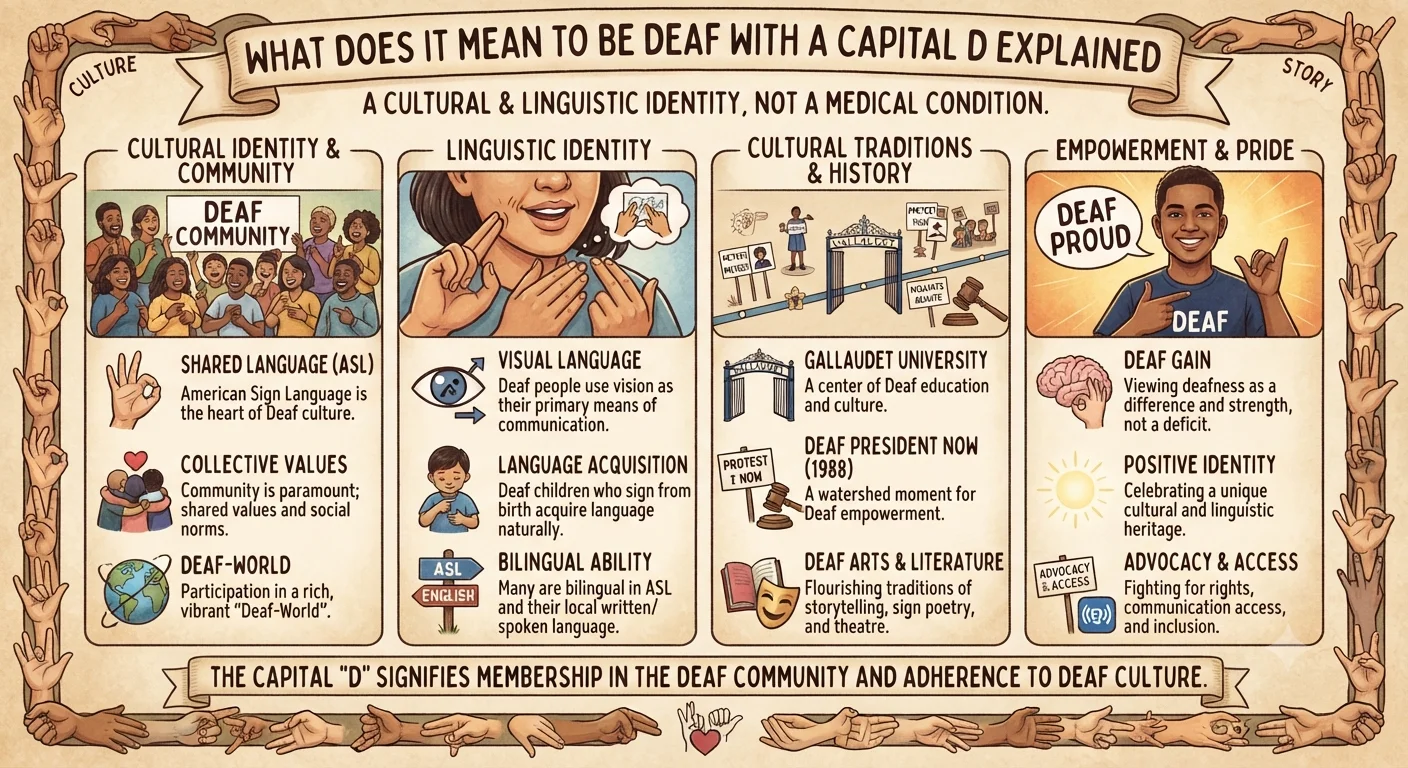
what it means to be Deaf with a capital D and how this important distinction separates audiological hearing loss from cultural identity and community belonging
The distinction between deaf with a lowercase d and Deaf with a capital D is one of the most important and frequently misunderstood concepts in understanding deaf culture and identity. This seemingly small typographical difference carries enormous significance for how people understand themselves and their relationship to deaf community culture and language. Understanding this distinction is genuinely essential for anyone seeking to engage respectfully and knowledgeably with deaf culture.
The Simple Explanation of the Distinction
Deaf with a lowercase d refers purely to the audiological condition of having significant hearing loss. It is a medical or clinical descriptor that identifies a physical characteristic without making any statement about cultural identity community belonging or language preference. A person can be audiologically deaf without being part of the Deaf community and without having any particular connection to sign language or deaf cultural traditions.
Deaf with a capital D refers to cultural identity and community membership. A Deaf person is someone who identifies with and participates in the cultural community that uses sign language as its primary language and shares distinct values traditions humor artistic forms and historical experiences. The capital D signals that deafness is understood not as a medical condition requiring intervention but as a cultural identity worth celebrating and preserving.
Who Uses the Capital D and Why It Matters
- The Simple Explanation of the Distinction
- Who Uses the Capital D and Why It Matters
- The Relationship Between audiological Deafness and Deaf Cultural Identity
- How Deaf Identity Develops
- The Capital D in Relation to ASL
- Respect for Individual Identity Choices
- Why This Distinction Matters for Theatre and Arts
- Conclusion
- FAQ
- Can a hearing person be considered Deaf with a capital D?
- Does every deaf person identify as Deaf with a capital D?
- Who first formally defined the distinction between deaf and Deaf with a capital D?
The capital D convention was popularized in academic and community discourse beginning in the 1970s and 1980s as deaf community advocates and scholars sought language that could express the cultural rather than purely medical dimensions of deaf identity. Sociolinguist James Woodward is often credited with formally introducing and defining this distinction in academic literature providing an intellectual framework for something the deaf community had long understood intuitively about the difference between hearing loss as a physical fact and Deaf culture as a lived identity.
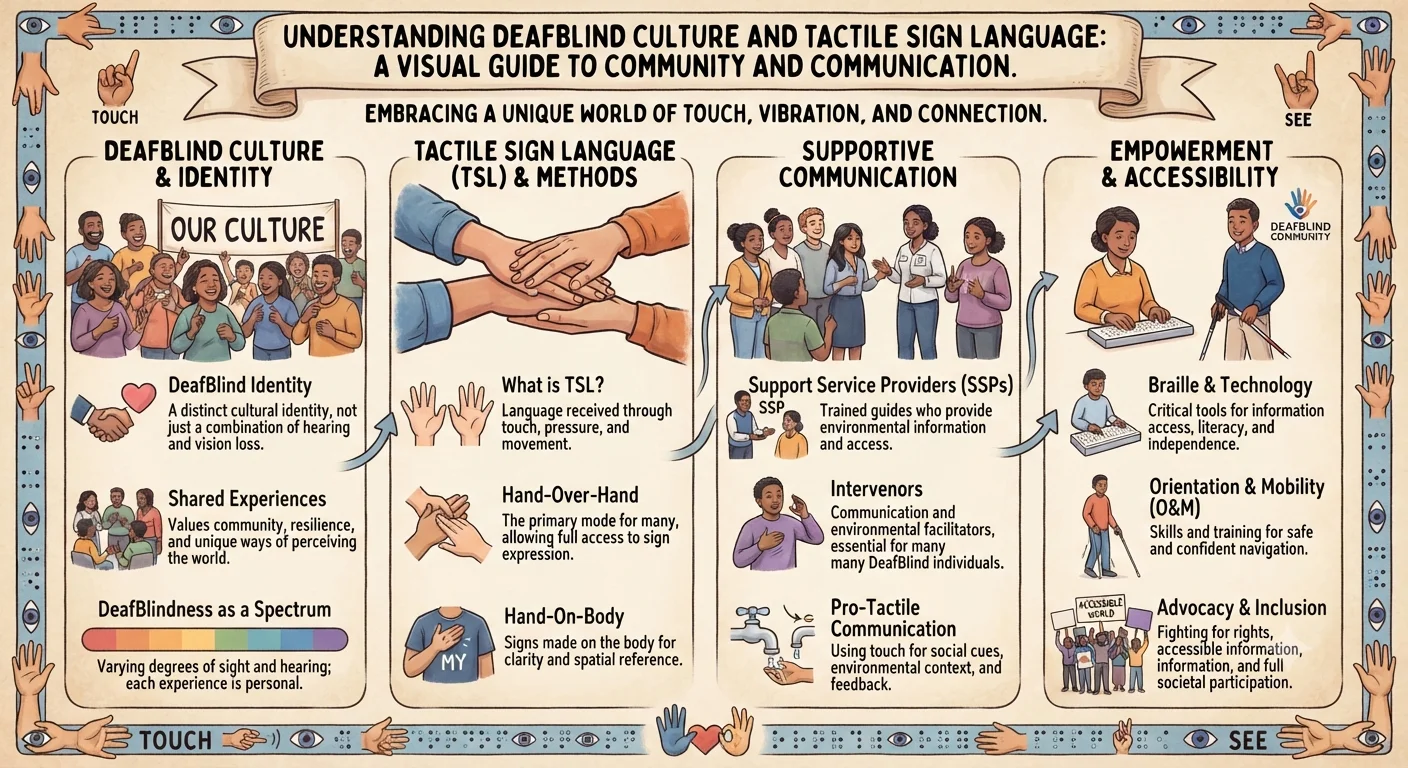
- Understanding DeafBlind Culture and Tactile Sign Language
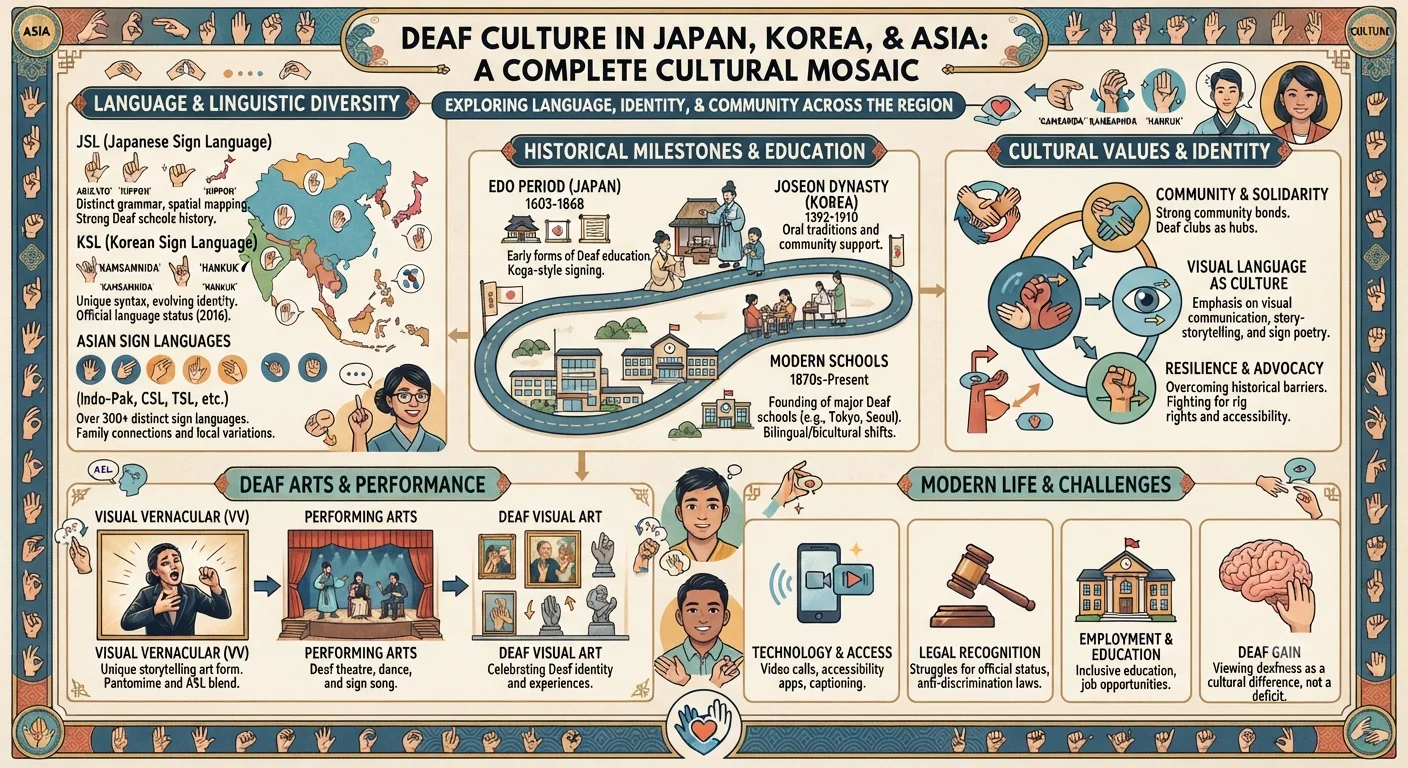
- Deaf Culture in Japan Korea and Asia Complete Overview
- Best Books About Deaf Culture Every Reader Should Know
This distinction matters because it challenges the dominant hearing society tendency to view deafness exclusively through a medical deficit lens that frames deaf people primarily as people who lack hearing and need help rather than as members of a rich cultural community with their own complete language arts institutions and traditions. The capital D asserts cultural pride and self determination in the face of this dominant medical framing.
The Relationship Between audiological Deafness and Deaf Cultural Identity
It is important to understand that audiological deafness and Deaf cultural identity do not automatically or always go together. Many profoundly deaf individuals do not identify with Deaf culture and do not use sign language choosing instead to navigate the world primarily through spoken language and oral communication methods. These individuals may identify as deaf lowercase without embracing Deaf cultural identity.
Conversely some hearing individuals including hearing children of deaf adults called CODAs and hearing individuals who grew up immersed in deaf cultural community may participate meaningfully in Deaf cultural life and identify culturally with the community despite not having significant hearing loss themselves. This shows that Deaf cultural identity is fundamentally about community belonging language and shared cultural experience rather than purely about audiological status.
How Deaf Identity Develops
For many deaf individuals Deaf cultural identity develops through contact with the deaf community often through schools for the deaf deaf community organizations and relationships with other Deaf people rather than being present automatically from birth or diagnosis. A deaf child born to hearing parents who has limited early exposure to deaf community and ASL may not develop strong Deaf cultural identity during childhood even if they later connect deeply with Deaf community as an adult after finding their way to that community through school relationships or other pathways.
Recommended Articles
 DEAF CULTURE AND HISTORY
 DEAF CULTURE AND HISTORY
 DEAF CULTURE AND HISTORY
 DEAF CULTURE AND HISTORY
This developmental dimension of Deaf identity explains why many deaf adults describe a specific experience of discovering or finding the Deaf community later in life as a profound and identity transforming moment of belonging that changes how they understand themselves and their place in the world. This discovery narrative is remarkably common across deaf people's life stories and reflects how central community connection is to Deaf cultural identity development.
The Capital D in Relation to ASL
American Sign Language is central to Deaf cultural identity in the United States in a way that parallels how language functions as a core marker of cultural identity in many other minority cultural communities. Fluency in ASL or a strong aspiration toward ASL fluency is typically part of Deaf cultural identity in a way that oral communication skills alone do not provide since ASL is the language through which Deaf cultural values humor storytelling and community life are primarily expressed and transmitted across generations.
This centrality of ASL to Deaf identity helps explain why educational approaches that suppress or minimize sign language feel so threatening to many in the Deaf community. Attacking the language is understood as attacking the culture and identity that the language carries and expresses not merely as a pragmatic educational debate about the most effective communication methods for individual deaf children.
Respect for Individual Identity Choices
While understanding the capital D distinction is important it is equally important to respect individual deaf people's own choices about how they identify and what language or community they feel belongs to them. Not all deaf people identify with Deaf culture and pressuring deaf individuals to embrace a particular identity framework is as disrespectful as the hearing world's historical tendency to impose medical frameworks on deaf people who understood themselves culturally rather than clinically.
The goal of understanding the capital D distinction is to expand awareness of the range of ways deaf people understand themselves not to impose a single correct framework for deaf identity on everyone with hearing loss regardless of their own sense of who they are and where they belong.
Why This Distinction Matters for Theatre and Arts
In deaf theatre and the broader deaf arts world the capital D distinction carries particular significance since Deaf theatre specifically draws on and celebrates Deaf cultural identity ASL as a performance language and the artistic traditions that emerge from within the community rather than from outside it. Understanding this distinction helps explain why authentic Deaf cultural representation in theatre requires more than simply featuring deaf characters or performers but demands genuine engagement with the cultural identity values and artistic traditions that capital D Deaf culture has developed over generations.
Conclusion
The distinction between deaf and Deaf with a capital D represents one of the most important conceptual tools for understanding deaf culture identity and community on its own terms rather than through a purely medical or audiological framework. This small typographical difference carries enormous meaning about self determination cultural pride community belonging and the fundamental right of deaf people to define their own identity and the terms through which they are understood by the broader world.
FAQ
Can a hearing person be considered Deaf with a capital D?
Yes hearing individuals including CODAs who grew up in Deaf families and hearing people deeply immersed in Deaf community and culture may participate meaningfully in Deaf cultural life and identify culturally with the community even without significant audiological hearing loss.
Does every deaf person identify as Deaf with a capital D?
No many deaf individuals do not identify with Deaf culture and navigate the world primarily through oral communication methods without embracing Deaf cultural identity showing that audiological deafness and Deaf cultural identity are related but distinct concepts that do not automatically go together.
Who first formally defined the distinction between deaf and Deaf with a capital D?
Sociolinguist James Woodward is often credited with formally introducing and defining this distinction in academic literature in the 1970s though the underlying cultural reality the distinction captures had long been understood and lived within the deaf community itself.