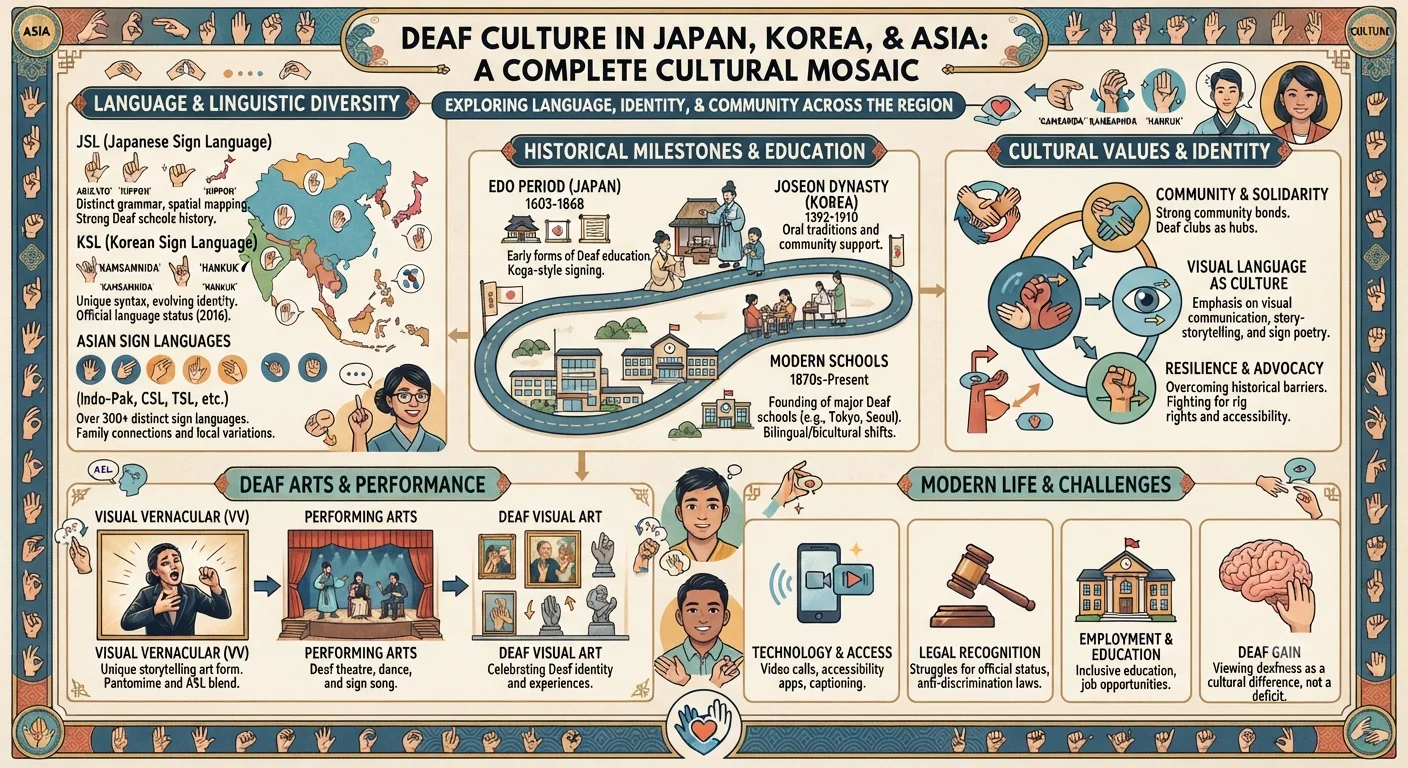
Explore deaf culture in Japan Korea and across Asia covering sign languages education community life and how Asian deaf communities differ from Western ones.
Deaf culture across Asia represents an extraordinary diversity of community traditions sign languages educational approaches and advocacy histories that differ significantly from the more widely documented deaf cultural experiences of Western countries. Understanding deaf culture in Japan Korea and other Asian contexts helps build a genuinely global picture of how deaf communities have developed their own distinct cultural identities across different national and cultural frameworks.
Deaf Culture in Japan
Japan has a significant and historically rooted deaf community with its own complete sign language known as Japanese Sign Language or Nihon Shuwa. Japanese Sign Language developed independently within Japan's deaf community and has its own distinct grammar vocabulary and cultural associations that reflect Japanese cultural values and communication norms rather than those of any Western sign language tradition.
Japanese deaf education has a complex history that like many countries included periods of strong oralist influence particularly following the 1880 Milan Conference that pushed many countries toward suppressing sign language in favor of oral education methods. Japanese deaf schools and community organizations have navigated these historical pressures while maintaining sign language as the heart of deaf community life and cultural identity across generations.
Deaf community organizations in Japan including the Japanese Federation of the Deaf have worked to advance sign language recognition accessibility rights and deaf cultural preservation in ways that reflect both international deaf community advocacy trends and specifically Japanese cultural and political contexts that shape how these advocacy goals are pursued within the Japanese social system.
Deaf Culture in South Korea
- Deaf Culture in Japan
- Deaf Culture in South Korea
- Deaf Communities Across Southeast Asia
- The Role of Religion and Family in Asian Deaf Communities
- Deaf Arts and Cultural Expression Across Asia
- Sign Language Recognition and Rights Across Asia
- Conclusion
- FAQ
- Is Japanese Sign Language similar to American Sign Language?
- How has oralism affected deaf communities in Asian countries?
- Are there deaf arts organizations active in Asian countries?
South Korea has a vibrant deaf community centered around Korean Sign Language which developed within Korea's deaf community and reflects Korean cultural values and communication patterns rather than being derived from any Western sign language tradition. Korean deaf culture maintains strong community institutions including schools for the deaf deaf associations and an increasingly active deaf arts community that includes theatre film and visual arts.
- How Gallaudet University Drama Department Shaped Modern Theatre
- Playwrights Who Changed Deaf Theatre History Forever
- Best Deaf Theatre Companies Operating in the World Today
South Korean deaf education has seen significant evolution in recent decades with growing recognition of Korean Sign Language as a legitimate language worthy of educational and official support. Korean deaf advocates have worked to advance sign language recognition in law and policy while also pushing for improved accessibility and inclusion across Korean society more broadly.
The growing global visibility of Korean popular culture through the Korean Wave has also created interesting intersections with deaf cultural representation in South Korea as deaf Korean artists and performers have occasionally gained visibility through platforms that reach international audiences alongside mainstream Korean cultural content.
Deaf Communities Across Southeast Asia
Across Southeast Asia deaf communities have developed in contexts shaped by significant variation in economic development educational infrastructure and cultural attitudes toward disability and difference. Countries like Thailand Indonesia the Philippines and Vietnam each have their own deaf communities sign languages and cultural traditions that have developed within specific national and cultural contexts with varying levels of institutional support and recognition.
In many Southeast Asian countries formal deaf education has historically been limited particularly in rural areas creating situations where regional or village level sign languages have developed without national standardization. International deaf education organizations have worked in various Southeast Asian countries to support sign language documentation teacher training and advocacy for improved deaf education access that respects and builds on existing community sign language traditions rather than imposing outside linguistic frameworks.
Recommended Articles
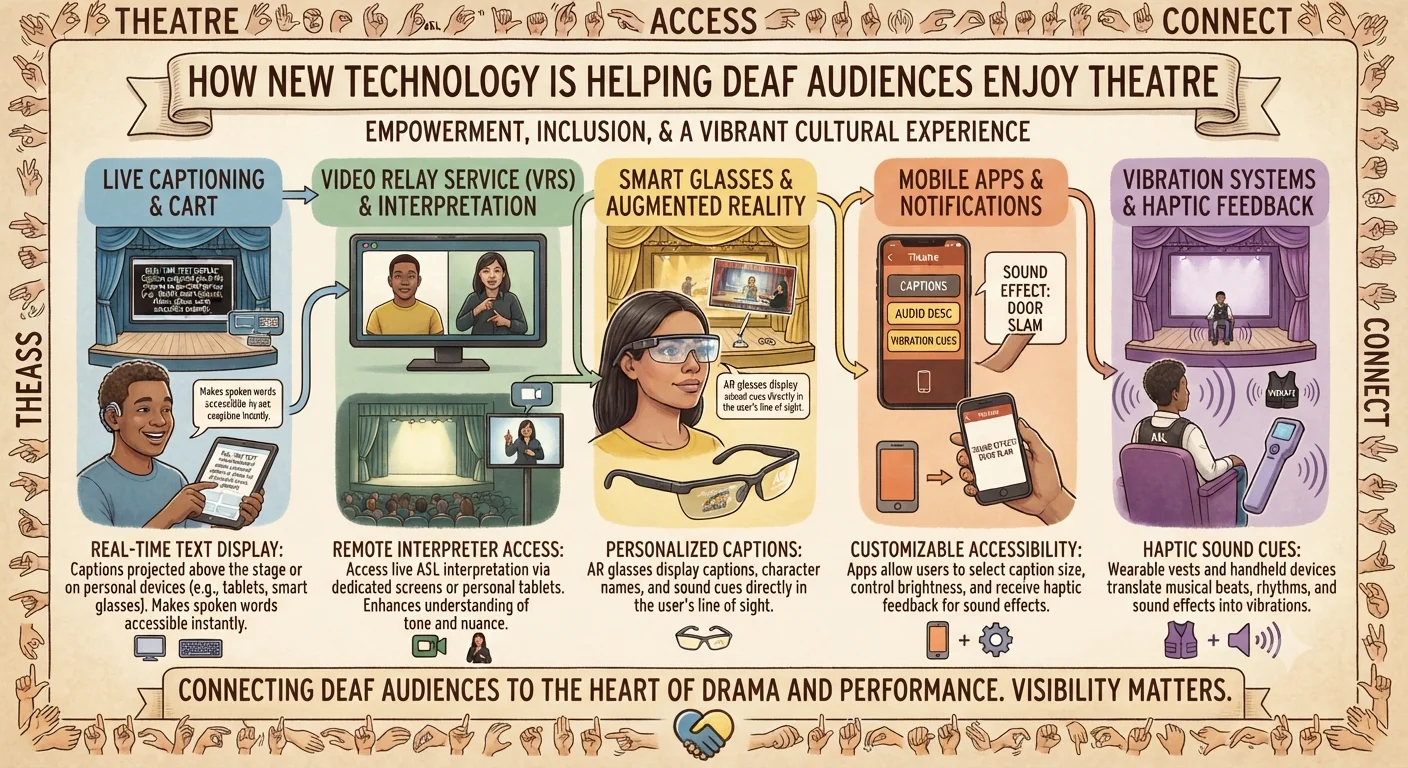 DEAF CULTURE AND HISTORY
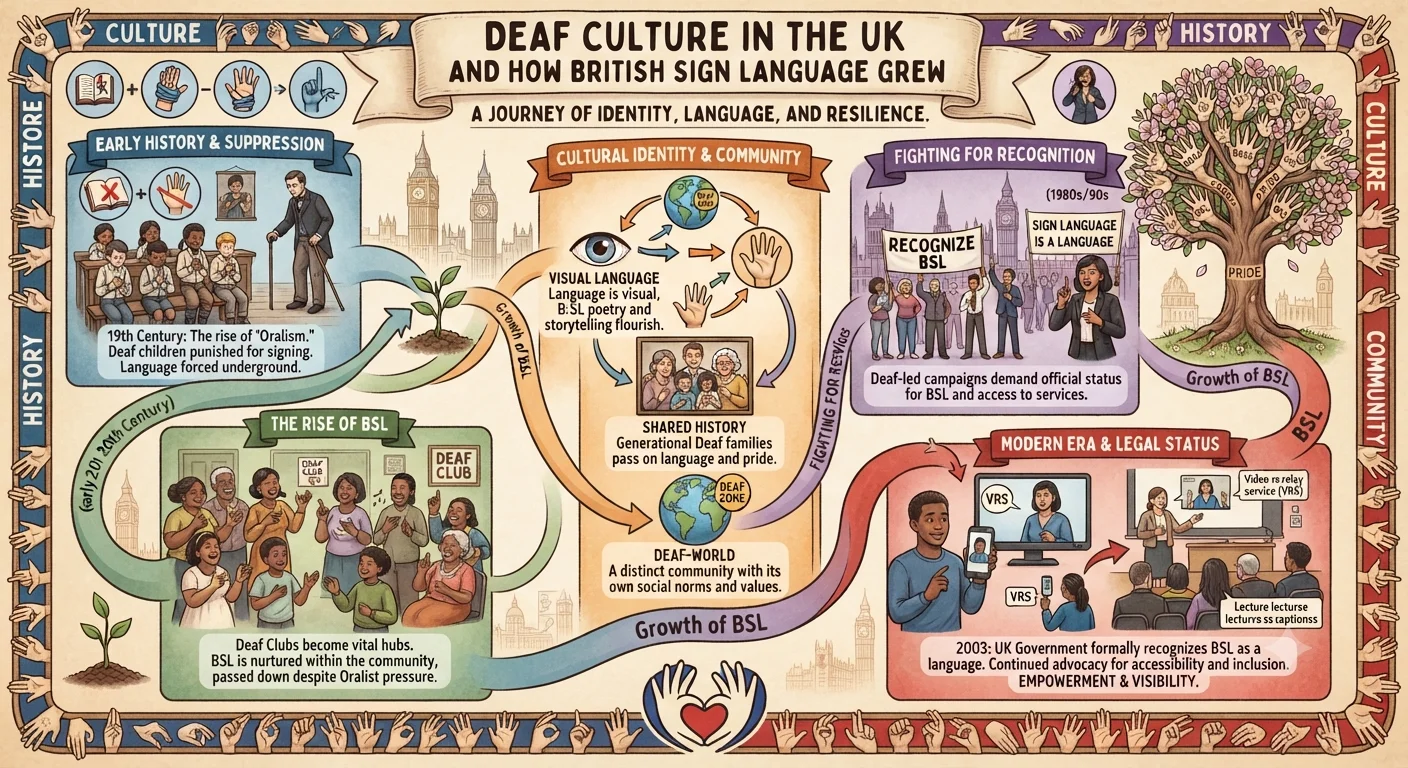 DEAF CULTURE AND HISTORY
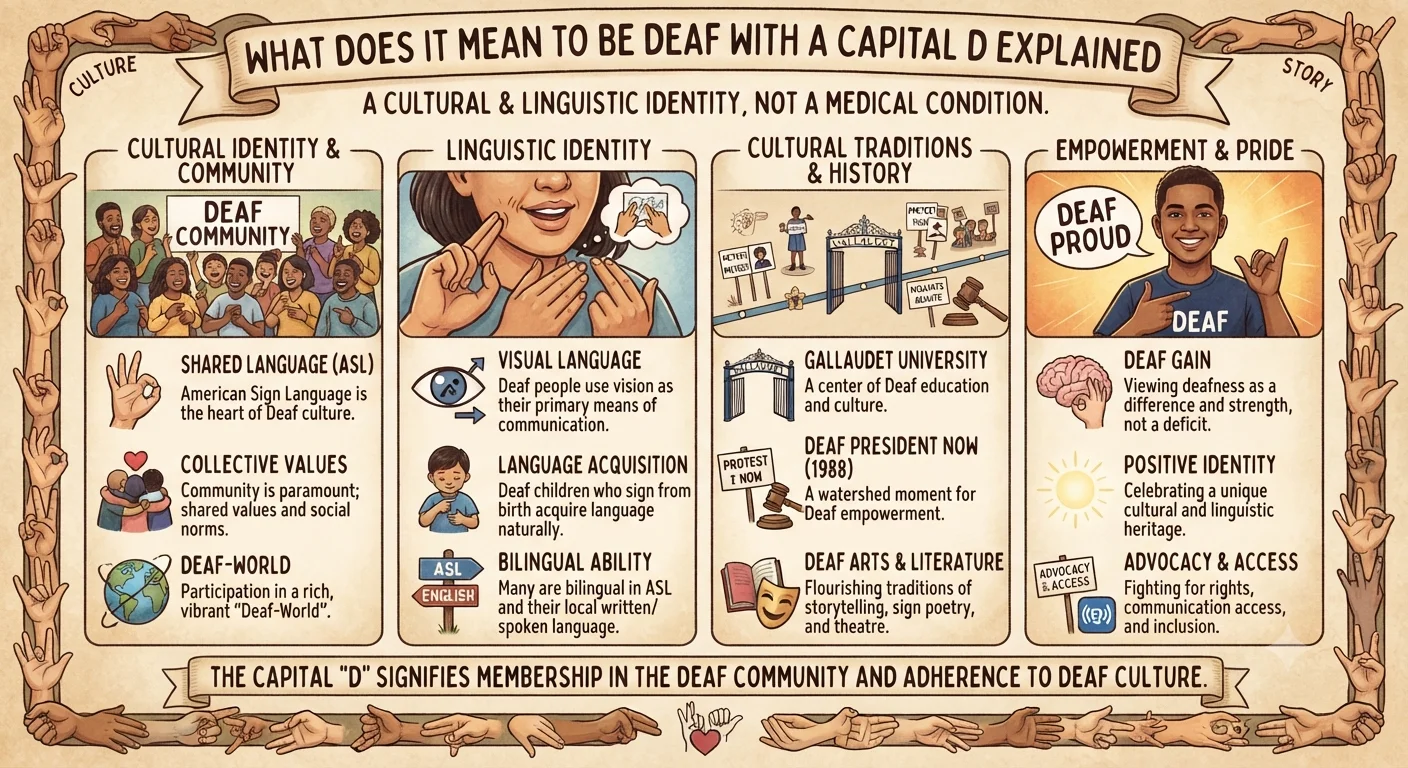 DEAF CULTURE AND HISTORY
 DEAF CULTURE AND HISTORY
The Role of Religion and Family in Asian Deaf Communities
Family and religious community play particularly significant roles in the lives of many deaf individuals across Asian cultural contexts where family centered social structures and religious community networks often provide the primary social support systems within which deaf individuals navigate their experiences. In some Asian cultural contexts traditional family attitudes toward disability including deafness can create additional barriers to deaf community connection and sign language access particularly in rural or more traditional family environments.
Religious organizations serving deaf communities across Asia including deaf churches temples and community groups have historically played important roles in providing community spaces where deaf individuals can connect with peers share their language and build community relationships outside of formally educational or advocacy contexts.
Deaf Arts and Cultural Expression Across Asia
Deaf arts and cultural expression across Asia reflects the rich diversity of the continent's deaf communities with distinct theatrical visual art and performance traditions developing within different national deaf communities. Asian deaf theatre companies and performing arts groups have increasingly connected with international deaf arts networks providing opportunities for cross cultural exchange and collaboration that enrich both Asian and global deaf arts communities.
International deaf arts festivals including Clin d'Oeil in France have increasingly featured work from Asian deaf artists and companies helping build greater global awareness of the distinctive artistic contributions emerging from Asian deaf communities that have historically received less international attention compared to deaf artistic work from North America and Western Europe.
Sign Language Recognition and Rights Across Asia
Sign language recognition and deaf rights advocacy have progressed unevenly across Asia with some countries making significant legislative advances while others still lack formal recognition of their national sign languages in law or policy. Japan South Korea and some other Asian countries have made meaningful progress on sign language recognition while advocacy work continues in many other national contexts across the region.
International deaf rights frameworks including those developed by the World Federation of the Deaf provide important reference points for Asian deaf advocates pursuing sign language recognition and accessibility improvements within their own specific national legal and political contexts.
Conclusion
Deaf culture across Japan Korea and the broader Asian region represents remarkable diversity and depth that deserves far greater international recognition and study than it typically receives within deaf cultural discourse dominated by North American and Western European perspectives. Understanding Asian deaf communities and their distinct cultural artistic and advocacy traditions contributes to a genuinely global picture of deaf community life and strengthens international solidarity within the worldwide deaf community.
FAQ
Is Japanese Sign Language similar to American Sign Language?
No Japanese Sign Language and ASL are entirely distinct languages that developed independently within their respective deaf communities with different grammar vocabulary and cultural associations reflecting their separate developmental histories.
How has oralism affected deaf communities in Asian countries?
Like many countries worldwide Asian deaf communities including those in Japan and Korea experienced periods of strong oralist educational influence that suppressed sign language in schools though community sign language use continued outside formal educational settings and has increasingly gained greater recognition and support in recent decades.
Are there deaf arts organizations active in Asian countries?
Yes multiple Asian countries including Japan and South Korea have active deaf arts organizations and performing arts communities that have increasingly connected with international deaf arts networks creating cross cultural exchange opportunities that enrich both Asian and global deaf cultural life.