
Children of a Lesser God stands as one of the most significant works in the history of deaf representation in American theatre and film. Both the original stage play and its film adaptation explore deafness language and relationships with a depth and authenticity that was groundbreaking for its time and remains powerful for audiences today.
The origins of the play
Children of a Lesser God was written by playwright Mark Medoff and premiered on Broadway in 1980. Medoff wrote the central role of Sarah Norman specifically for deaf actress Phyllis Frelich after meeting her and recognizing her extraordinary talent. This decision to write a major lead role specifically for a deaf actor was itself a significant departure from typical theatrical practice at the time.
The play tells the story of Sarah a strong willed deaf woman working at a school for the deaf who begins a relationship with James Leeds a hearing speech therapist who teaches at the same school. Their relationship becomes a vehicle for exploring deep questions about communication identity and the tension between a hearing person's desire to help and a deaf person's right to self determination.
The themes explored in the story
At its core Children of a Lesser God examines what it means for a hearing person to truly understand and respect deaf identity rather than viewing deafness primarily as something to be fixed or overcome. James initially approaches Sarah with good intentions but with assumptions rooted in hearing centered thinking about what Sarah needs and wants for her own life.
Sarah's character pushes back forcefully against these assumptions throughout the story asserting her own identity and her right to define her deafness and her life on her own terms rather than according to James's well meaning but limited understanding. This central tension between hearing assumptions and deaf self determination gives the story much of its dramatic power and ongoing relevance.
Phyllis Frelich's Tony Award winning performance
Phyllis Frelich's performance as Sarah Norman in the original Broadway production earned her the Tony Award for Best Actress in a Play in 1980. Her performance was widely praised for its raw emotional power and the authenticity she brought to a role written specifically with her talents in mind.
- Top Deaf Theatre Productions You Should Know About
- National Theatre of the Deaf Complete History and Legacy
Frelich's success in the role demonstrated decisively that a deaf actor could carry a major Broadway production and win the theatre industry's highest honors when given a role written with genuine understanding of deaf experience and performed with the full range of skill the role demanded.
The 1986 film adaptation
The story was adapted into a film in 1986 with Marlee Matlin making her film debut in the role of Sarah and William Hurt playing James. The film adaptation brought the story to a vastly wider audience than the Broadway production had reached and became a cultural touchstone for deaf representation in mainstream cinema.
Matlin's performance in the film won her the Academy Award for Best Actress making her at the time the youngest winner in that category's history and the only deaf performer to have won an Academy Award for acting up to that point. The film's success proved that mainstream film audiences could connect powerfully with an authentic deaf led story.
Critical reception and cultural impact
Recommended Articles
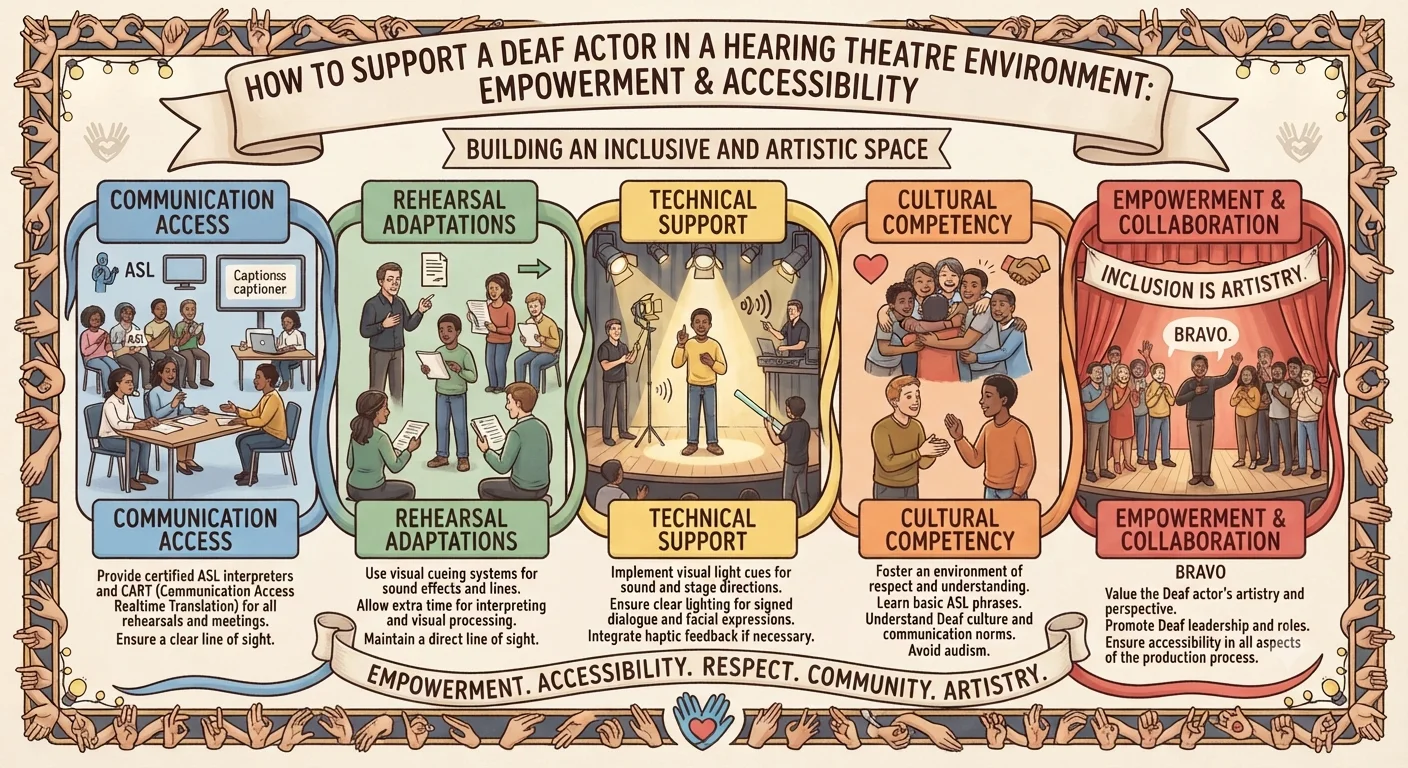 THEATRE AND PERFORMING ARTS
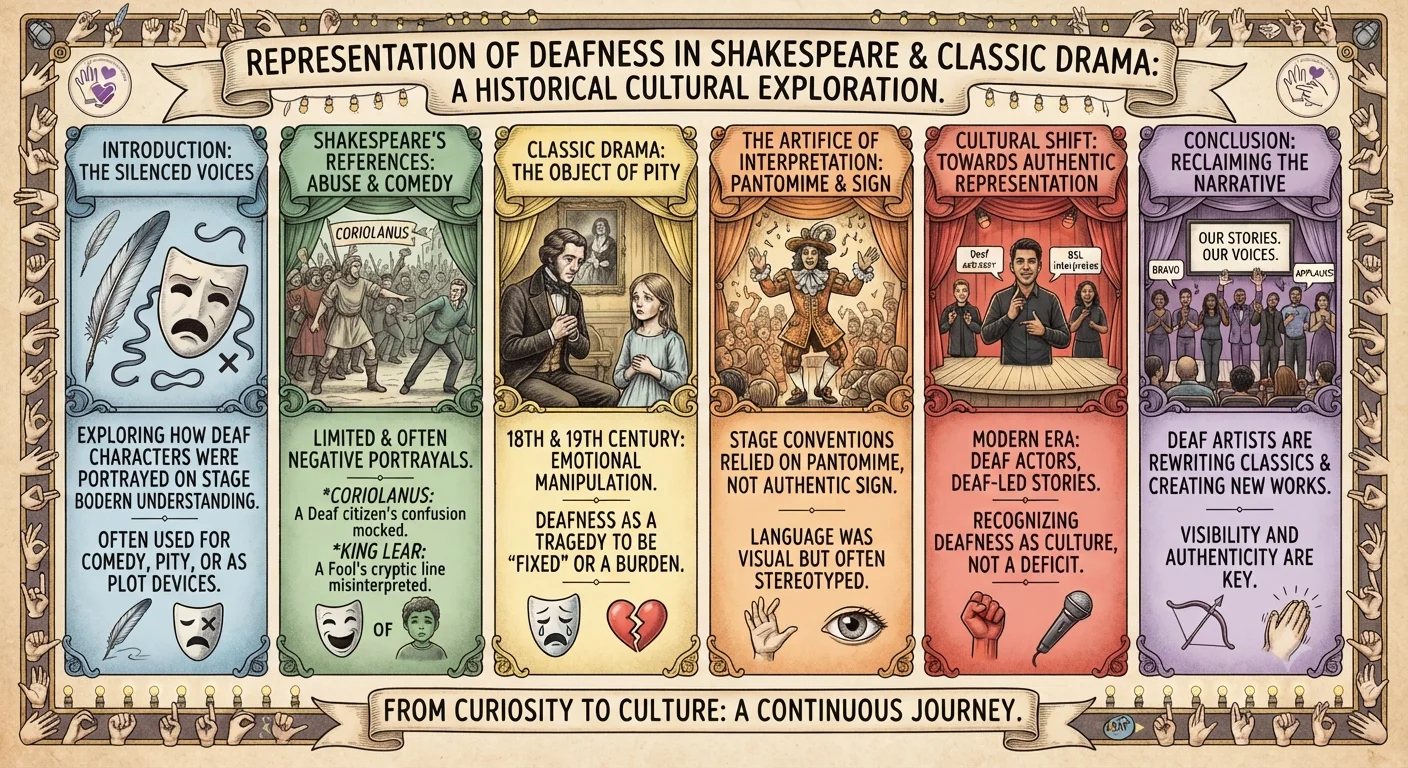 THEATRE AND PERFORMING ARTS
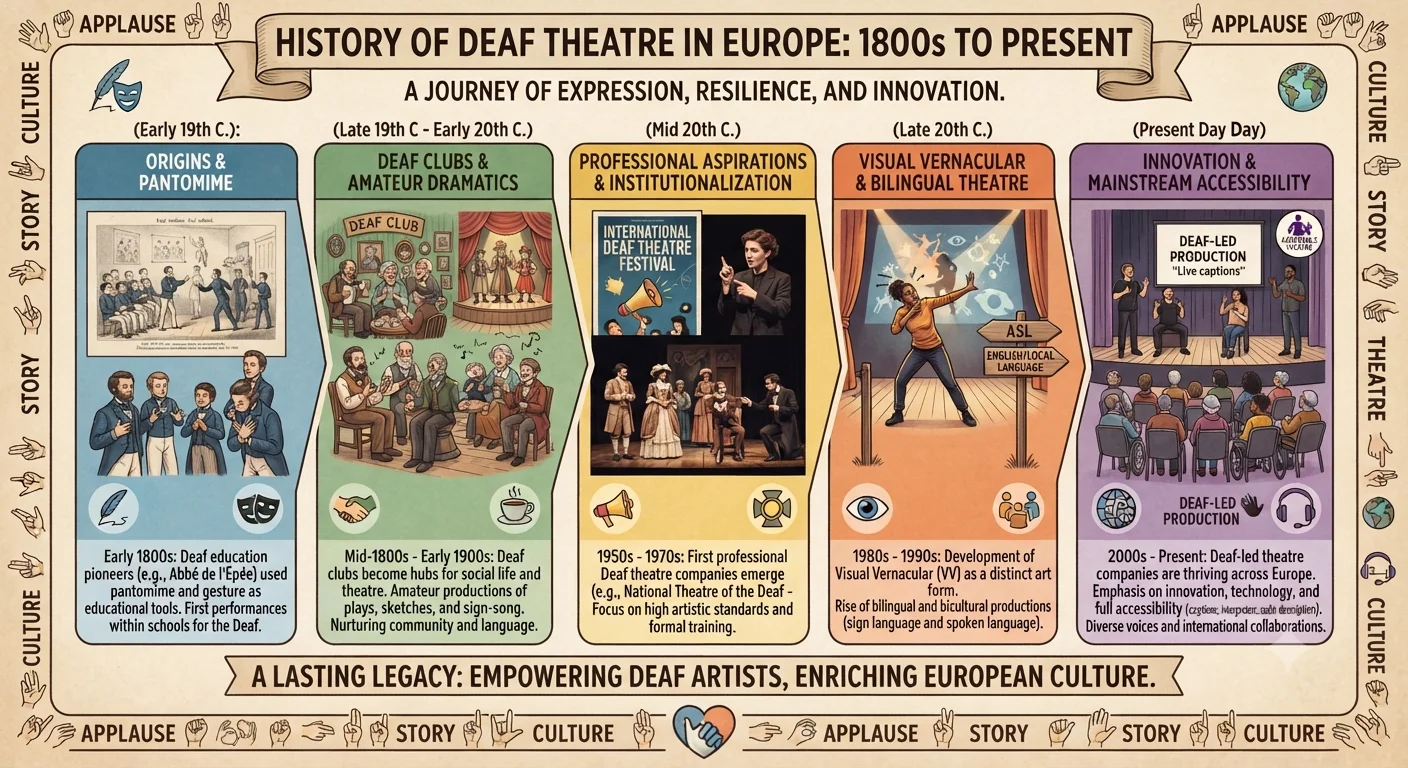 THEATRE AND PERFORMING ARTS
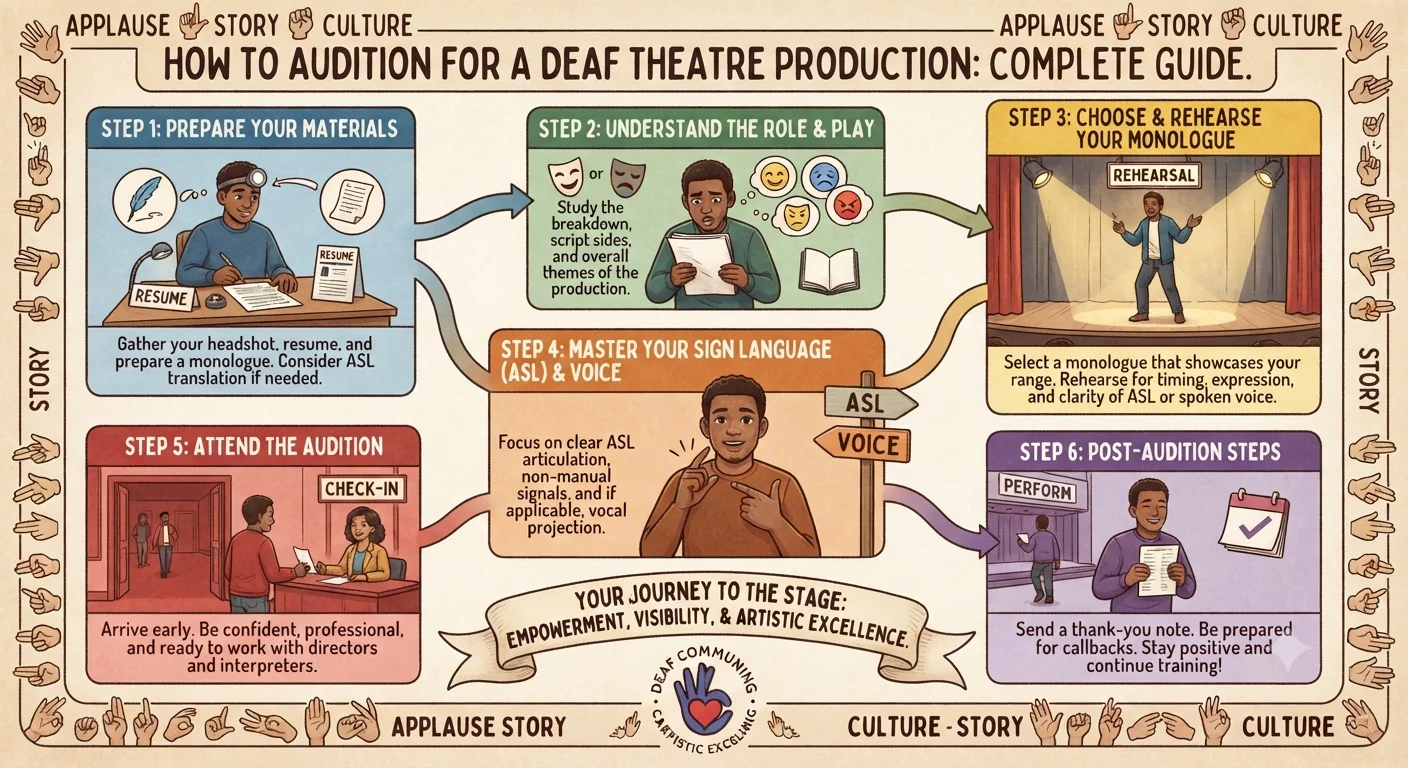 THEATRE AND PERFORMING ARTS
Both the play and the film received significant critical acclaim upon their respective releases though some later critics and deaf community members have also offered more complex critiques particularly regarding how the story is ultimately filtered through James's hearing perspective as the audience's primary point of entry into the narrative despite Sarah being the more compelling and central character.
This critique reflects broader ongoing conversations within deaf representation about whose perspective truly centers a story even when a deaf character receives a powerful and celebrated performance. These conversations have continued to shape how subsequent deaf stories are written and whose perspective drives the narrative structure.
Why the story remains significant today
Despite valid critiques about perspective and narrative framing Children of a Lesser God remains an important and frequently studied work because of what it achieved for its time. It proved that a story centered on deaf experience could achieve major commercial and critical success in both theatre and film. It provided a star making opportunity for two deaf actors Phyllis Frelich and later Marlee Matlin whose subsequent careers significantly advanced deaf representation in entertainment.
The play continues to be produced regularly by theatre companies and is frequently studied in theatre and disability studies programs for both its groundbreaking historical significance and its more complicated legacy regarding perspective and representation.
How the story holds up for modern audiences
Modern audiences watching or reading Children of a Lesser God today will likely notice both its genuine strengths in portraying Sarah's fierce independence and the ways its narrative structure reflects the more limited representational norms of its era compared to more recent deaf led stories like CODA which more fully centers deaf perspective throughout the narrative.
Understanding Children of a Lesser God within its historical context as a genuinely groundbreaking work for 1980 while also recognizing how representation standards have continued to evolve since then offers the most complete appreciation of both its achievements and its limitations.
Conclusion
Children of a Lesser God remains a landmark work in deaf representation history whose impact on both theatre and film cannot be overstated. From Phyllis Frelich's Tony Award winning original performance to Marlee Matlin's Oscar winning film debut this story opened doors for deaf actors that had simply not existed before. Its legacy continues to influence conversations about deaf representation and perspective in storytelling today.
FAQ
Who wrote Children of a Lesser God? Mark Medoff wrote the play which premiered on Broadway in 1980 with the role of Sarah Norman written specifically for deaf actress Phyllis Frelich.
Did the same actress play Sarah in both the play and the film? No Phyllis Frelich originated the role on Broadway while Marlee Matlin played Sarah in the 1986 film adaptation marking her film debut.
What criticism has Children of a Lesser God received from deaf community perspectives? Some critics note the story is largely filtered through the hearing character James's perspective despite Sarah being the more central and compelling character which reflects broader ongoing conversations about whose viewpoint truly centers deaf stories.