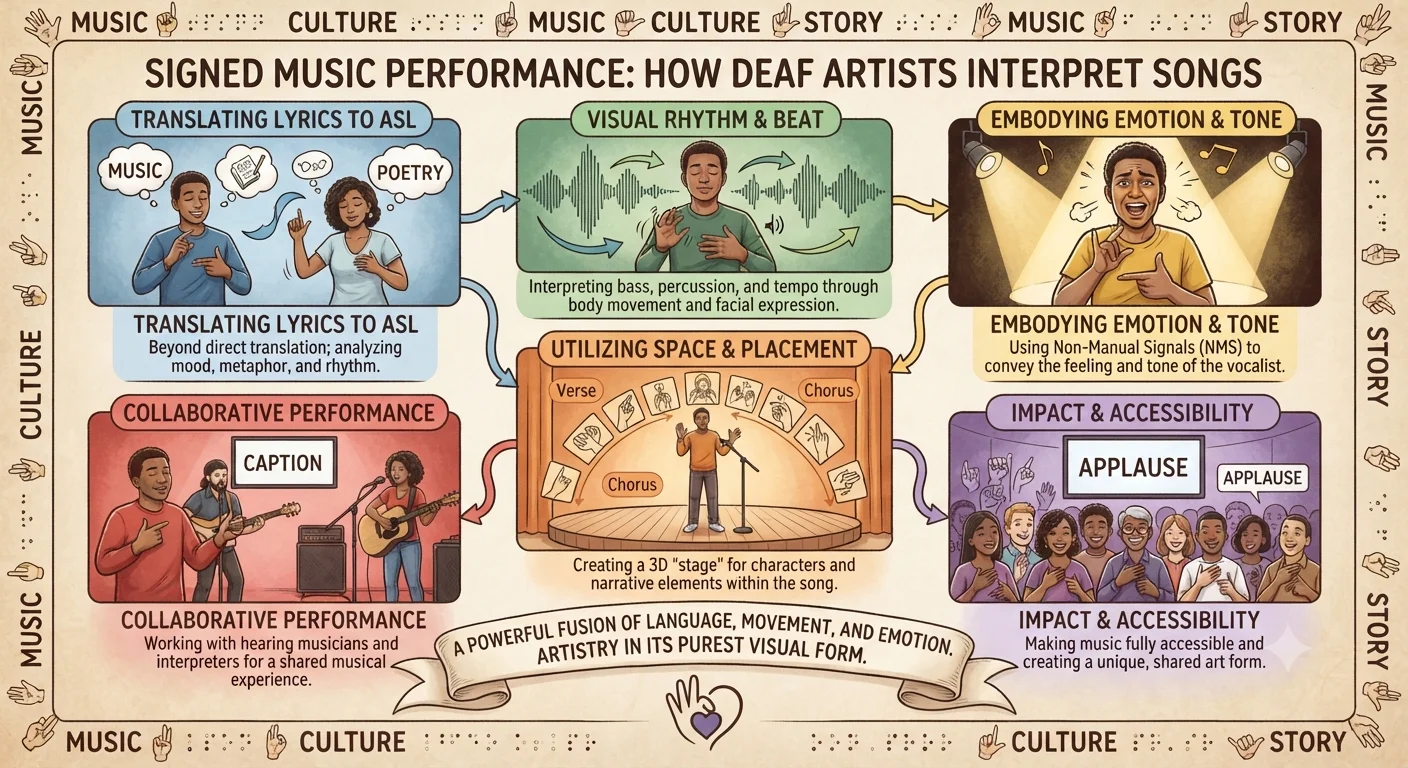
Explore how deaf artists interpret songs through signed music performance and how this visual art form transforms musical experience for deaf and hearing audiences alike.
Signed music performance is one of the most visually captivating and emotionally powerful expressions of deaf artistic creativity bringing together the linguistic richness of sign language with the rhythmic and emotional dimensions of music in ways that create an entirely new art form that transcends both the purely musical and purely linguistic. Understanding how deaf artists interpret songs through signed performance reveals the extraordinary creative possibilities that emerge when ASL meets music in the hands of a skilled and passionate performer.
What Signed Music Performance Is
Signed music performance involves interpreting a musical song through sign language in a way that conveys not just the literal meaning of the lyrics but the rhythm emotional arc musical texture and overall artistic experience of the song through visual and physical expression. At its highest artistic level signed music performance goes far beyond simply signing the words of a song and instead creates a complete visual artistic experience that honors both the musical work being interpreted and the expressive possibilities unique to sign language as an artistic medium.
This art form is distinct from standard sign language interpretation of music which prioritizes accurate linguistic access for deaf audience members over artistic expression. Signed music performance prioritizes artistic expression and creative interpretation making choices about how to visually embody the full experience of a song rather than only its literal lyrical content.
How Deaf Artists Experience Music to Perform It
- What Signed Music Performance Is
- How Deaf Artists Experience Music to Perform It
- The Artistic Choices in Signed Music Performance
- Sean Forbes and Signed Music as a Deaf Art Form
- Signed Music Performance on Social Media and YouTube
- The Distinction Between Artistic Signed Performance and Accessibility Interpretation
- Signed Music in Theatre and Performing Arts Contexts
- Conclusion
- FAQ
- How do deaf artists experience music when performing signed music interpretation?
- What distinguishes artistic signed music performance from accessibility sign language interpretation?
- Why have signed music performance videos gained large audiences on social media?
A common question hearing people ask about signed music performance is how deaf artists experience music in order to interpret it so expressively. The answer reveals something profound about how music can be experienced through senses beyond hearing alone. Many deaf performers describe experiencing music primarily through vibration feeling bass rhythms and percussion through the floor walls speakers and physical surfaces that transmit sound as physical sensation rather than auditory experience.
Visual engagement with the physical movements of musicians and other performers combined with familiarity with specific songs developed over time through repeated exposure in various contexts also contributes to how many deaf artists develop their understanding of musical works they choose to interpret. Some deaf artists who have residual hearing use amplification technology specifically to access musical experience while performing while others rely entirely on vibration and visual musical information.
The Artistic Choices in Signed Music Performance
The artistic choices a signed music performer makes when interpreting a song reveal the genuine creative depth of this art form. The performer must decide which aspects of the song to prioritize in their visual interpretation whether to closely follow the lyrical content or to interpret the emotional arc more freely how to represent rhythm through physical movement and timing and how to use the full expressive vocabulary of sign language including handshape facial expression and use of space to create a visually cohesive artistic experience that honors the song being interpreted.
The most celebrated signed music performances typically take creative liberties with literal lyrical interpretation choosing instead to capture the emotional essence and musical energy of a song through inspired visual choices that would not occur to someone simply signing lyrics word by word. This creative interpretation is what elevates signed music performance from a translation exercise to a genuine art form with its own distinctive aesthetic criteria and standards of excellence.
Sean Forbes and Signed Music as a Deaf Art Form
Sean Forbes is one of the most prominent advocates for signed music as a legitimate deaf art form rather than simply a accessibility accommodation for deaf audience members. Forbes who was born deaf has created original music videos specifically designed to be experienced both auditorily and visually through signed performance demonstrating that deaf artists can create original musical artistic work rather than only interpreting existing hearing created music.
Recommended Articles
 DEAF ARTISTS AND STORIES
 DEAF ARTISTS AND STORIES
 DEAF ARTISTS AND STORIES
 DEAF ARTISTS AND STORIES
Forbes has spoken extensively about how his experience of music through vibration and visual engagement has shaped his distinctive approach to both creating and performing music arguing that deaf musical experience is a genuinely different rather than lesser form of musical engagement that produces artistic perspectives and creative approaches unavailable to hearing musicians whose musical experience is primarily auditory.
Signed Music Performance on Social Media and YouTube
Social media platforms particularly YouTube have become important venues for signed music performance reaching audiences far beyond the deaf community and generating significant mainstream attention for this art form. Videos of skilled signed music performers interpreting popular songs have attracted millions of views from predominantly hearing audiences who find the visual expressiveness and emotional power of skilled signed performance genuinely moving and artistically compelling even without deep knowledge of sign language.
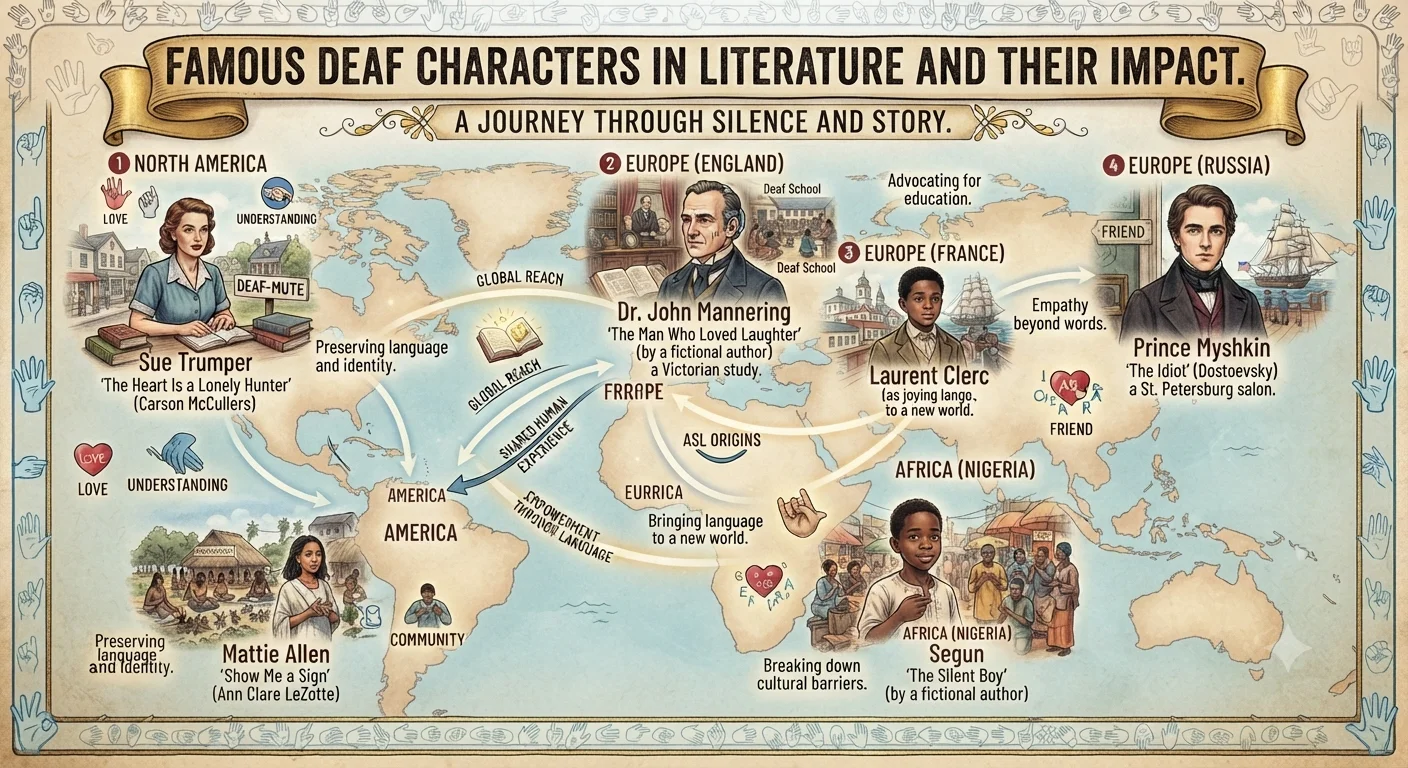
- Famous Deaf Characters in Literature and Their Impact
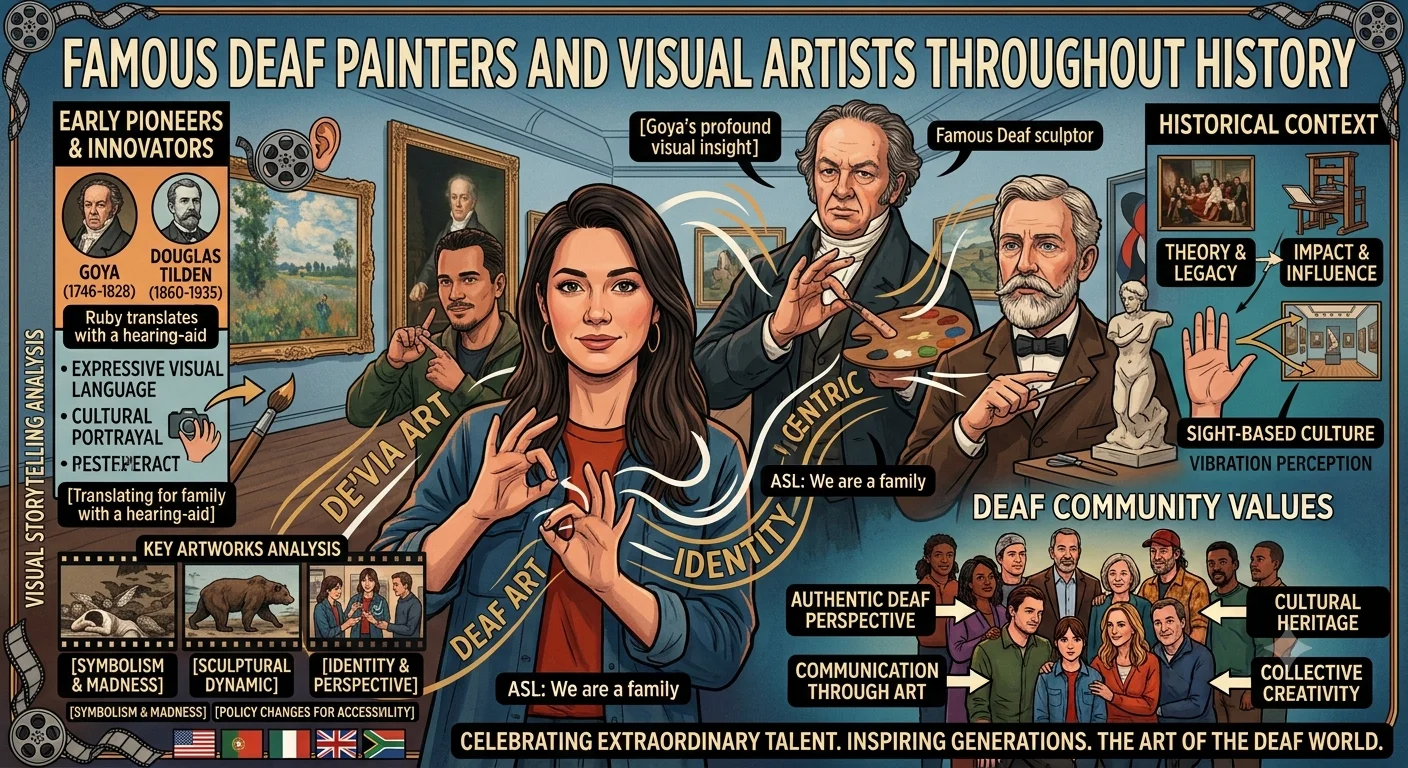
- Famous Deaf Painters and Visual Artists Throughout History
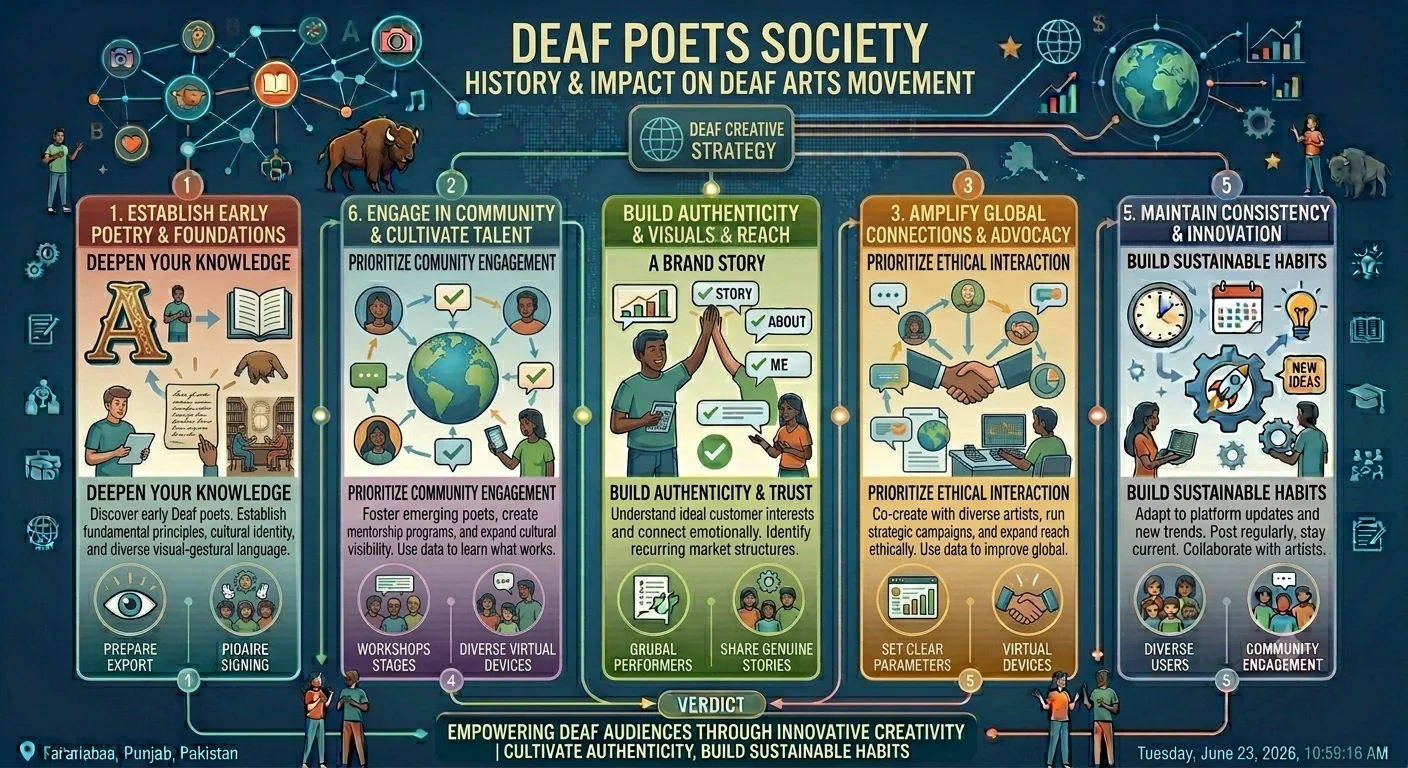
- Deaf Poets Society History and Impact on Deaf Arts Movement
This mainstream social media visibility has introduced many hearing viewers to the artistic possibilities of sign language as a performance medium for the first time creating unexpected bridges of appreciation between hearing and deaf cultural audiences through the shared emotional power of music interpreted through this distinctive visual art form.
The Distinction Between Artistic Signed Performance and Accessibility Interpretation
An important distinction often overlooked in discussions of signed music is the difference between artistic signed performance and sign language interpretation provided as an accessibility service at concerts and music events. Accessibility interpretation prioritizes accurate linguistic and musical information access for deaf audience members while artistic signed performance prioritizes creative expression and may take significant creative liberties that would be inappropriate in a purely interpretive accessibility context.
Understanding this distinction helps audiences appreciate signed music performance on its own artistic terms rather than evaluating it purely as an accuracy based interpretation task and helps deaf artists who work in this form articulate the creative and artistic rather than purely functional dimensions of what they do.
Signed Music in Theatre and Performing Arts Contexts
Signed music performance has become an important component of inclusive theatre productions and performing arts events where it contributes to productions both as an accessibility feature and as a genuine artistic element that adds visual dimension to musical theatre and concert experiences. The integration of skilled signed performance into theatrical productions can enhance the overall artistic experience for all audience members while simultaneously making the production more accessible to deaf and hard of hearing audiences.
Conclusion
Signed music performance represents one of the most compelling and accessible entry points into appreciation of sign language as an artistic medium offering hearing audiences an immediate emotional connection to the visual expressive power of signing through the familiar vehicle of music they already know and love. For deaf artists this form provides a powerful platform for demonstrating creative range and artistic vision while building bridges between deaf and hearing cultural worlds through the universal emotional language of music experienced visually.
FAQ
How do deaf artists experience music when performing signed music interpretation?
Many deaf performers experience music primarily through vibration feeling rhythms and percussion through physical surfaces that transmit sound as physical sensation combined with visual engagement with musicians and familiarity with specific songs developed through repeated exposure in various contexts.
What distinguishes artistic signed music performance from accessibility sign language interpretation?
Artistic signed performance prioritizes creative expression and may take significant interpretive liberties while accessibility interpretation prioritizes accurate linguistic and musical information access making creative choices that would be inappropriate in a purely interpretive accessibility service context.
Why have signed music performance videos gained large audiences on social media?
The visual expressiveness and emotional power of skilled signed music performance resonates strongly with hearing audiences who find this art form genuinely moving and artistically compelling even without deep sign language knowledge creating unexpected bridges of appreciation between hearing and deaf cultural audiences.