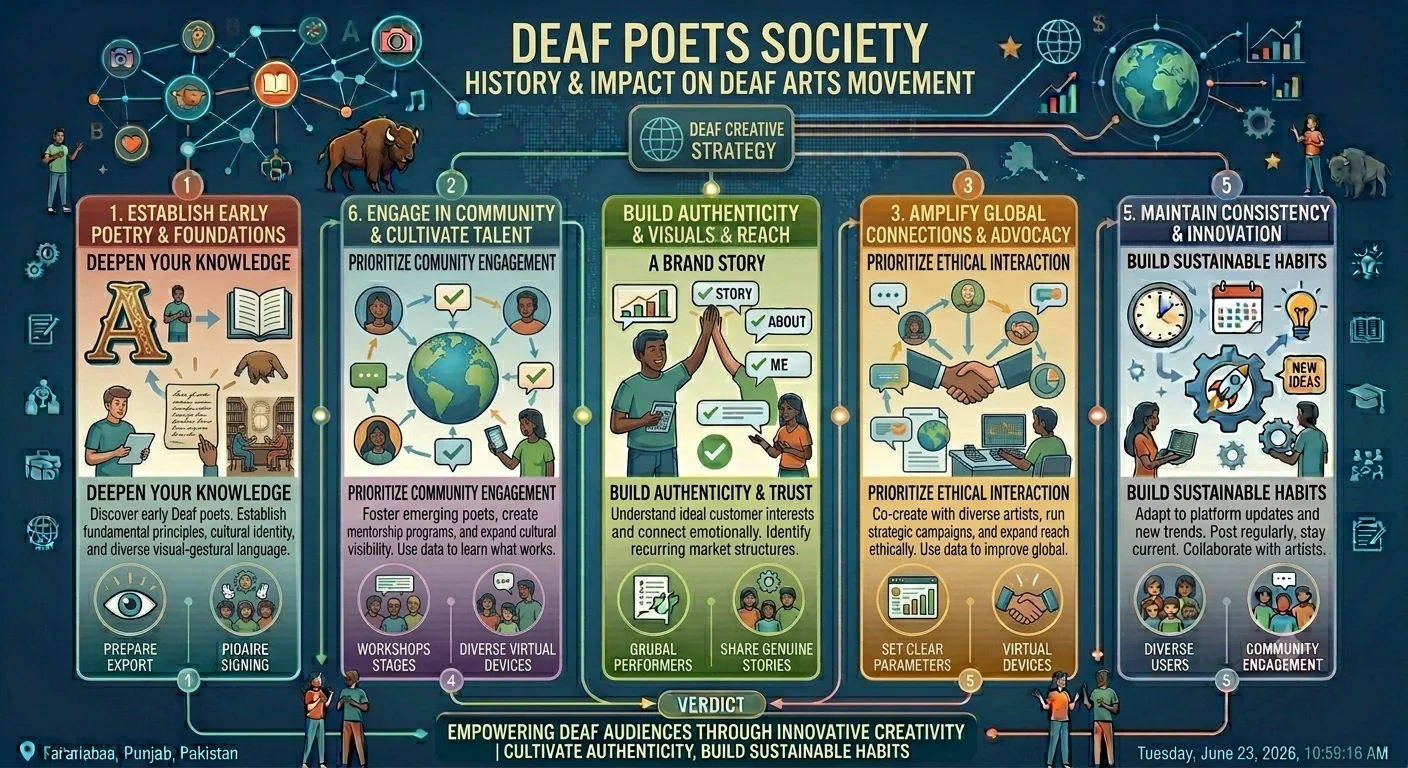
Deaf poetry and the broader movement sometimes informally referred to in community circles as the deaf poets society represents one of the most creative and least understood corners of deaf arts. ASL poetry takes the visual and spatial properties of sign language and shapes them into a true literary art form that has no direct equivalent in spoken or written poetry.
What is ASL poetry
ASL poetry uses the handshapes movement rhythm facial expression and use of space in American Sign Language to create artistic effects similar to what rhyme rhythm and metaphor accomplish in spoken or written poetry. Rather than relying on the sound of words ASL poetry relies on the visual symmetry repetition of handshape and the spatial relationships a signer creates in front of their body.
Because ASL poetry is inherently visual it can incorporate techniques that spoken poetry cannot replicate. A skilled ASL poet might use the same handshape across multiple signs in a poem to create a visual rhyme effect or use classifiers to paint an image in space that develops and shifts as the poem unfolds.
The pioneers of ASL poetry
ASL poetry as a recognized literary art form developed significantly during the latter half of the 20th century as deaf artists began to explore the full creative potential of their language beyond everyday communication. Poets and performers associated with institutions like Gallaudet University and the National Theatre of the Deaf played key roles in developing and popularizing ASL poetry as a serious art form deserving of study and performance.
- Marlee Matlin Biography Career and Oscar Winning Journey
- Top 10 Most Famous Deaf Actors in Hollywood History
Clayton Valli is widely recognized as one of the most influential figures in ASL poetry. A deaf linguist and poet Valli conducted academic research into ASL poetic structure while also creating and performing original ASL poems that demonstrated the depth and sophistication of the art form. His work helped establish a formal vocabulary for analyzing rhythm and structure within ASL poetry similar to how literary scholars analyze meter in spoken language poetry.
Visual rhyme and rhythm in ASL poetry
One of the most distinctive features of ASL poetry is the concept of visual rhyme. In spoken poetry rhyme depends on similar sounds at the end of words. In ASL poetry visual rhyme can be created through repeated handshapes repeated movement patterns or symmetrical use of both hands across different signs within the poem.
Rhythm in ASL poetry comes from the pacing and repetition of movement rather than syllable count or stress patterns. A skilled ASL poet controls the speed pauses and intensity of their signing to create an emotional and aesthetic effect on viewers in much the same way a spoken poet controls the cadence of their reading.
Storytelling traditions connected to ASL poetry
ASL poetry shares deep roots with the broader deaf storytelling tradition. Long before ASL poetry was formally studied as a literary art deaf community gatherings featured skilled storytellers who used visual vernacular techniques to entertain and connect with audiences. Visual vernacular is a related performance style that uses highly visual and cinematic techniques to depict action and perspective shifts in ways that resemble film editing translated into the body.
Recommended Articles
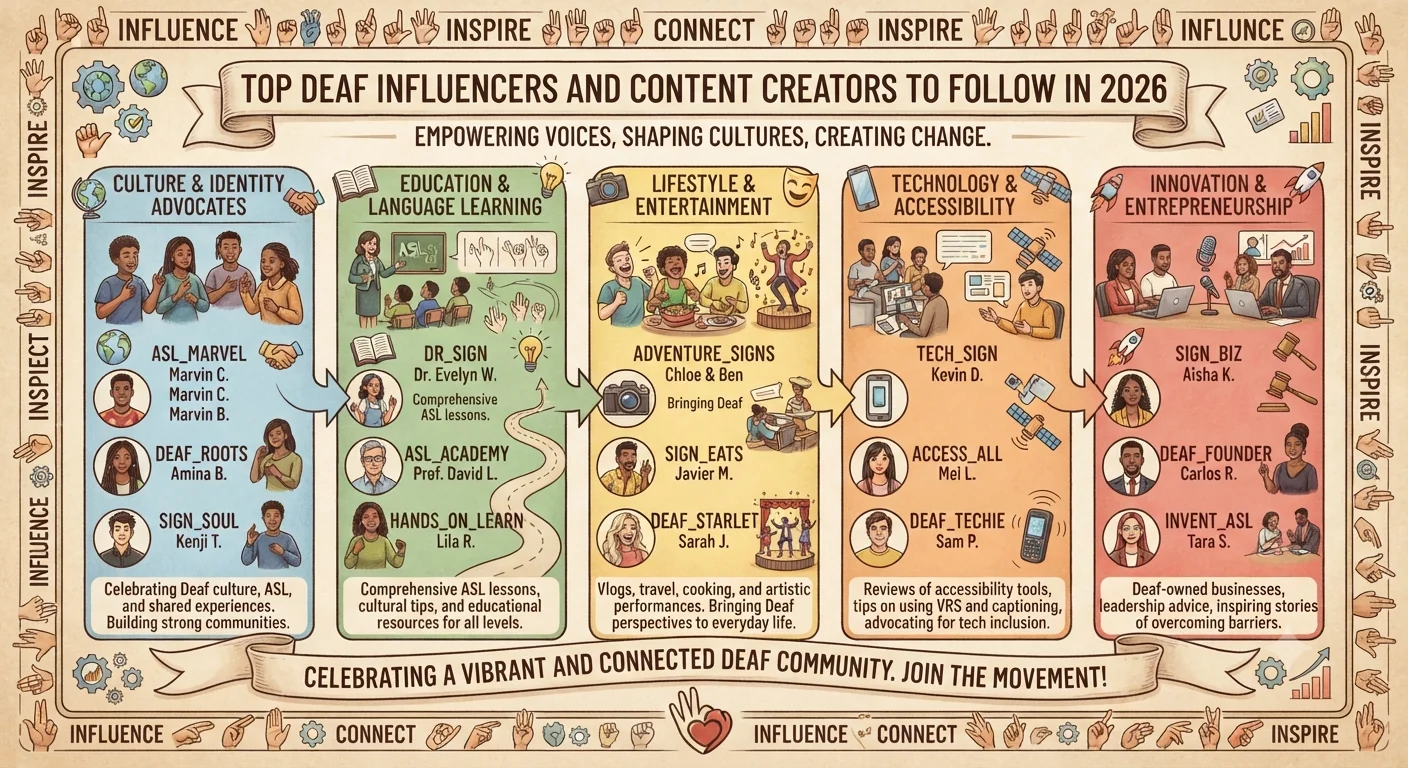 DEAF ARTISTS AND STORIES
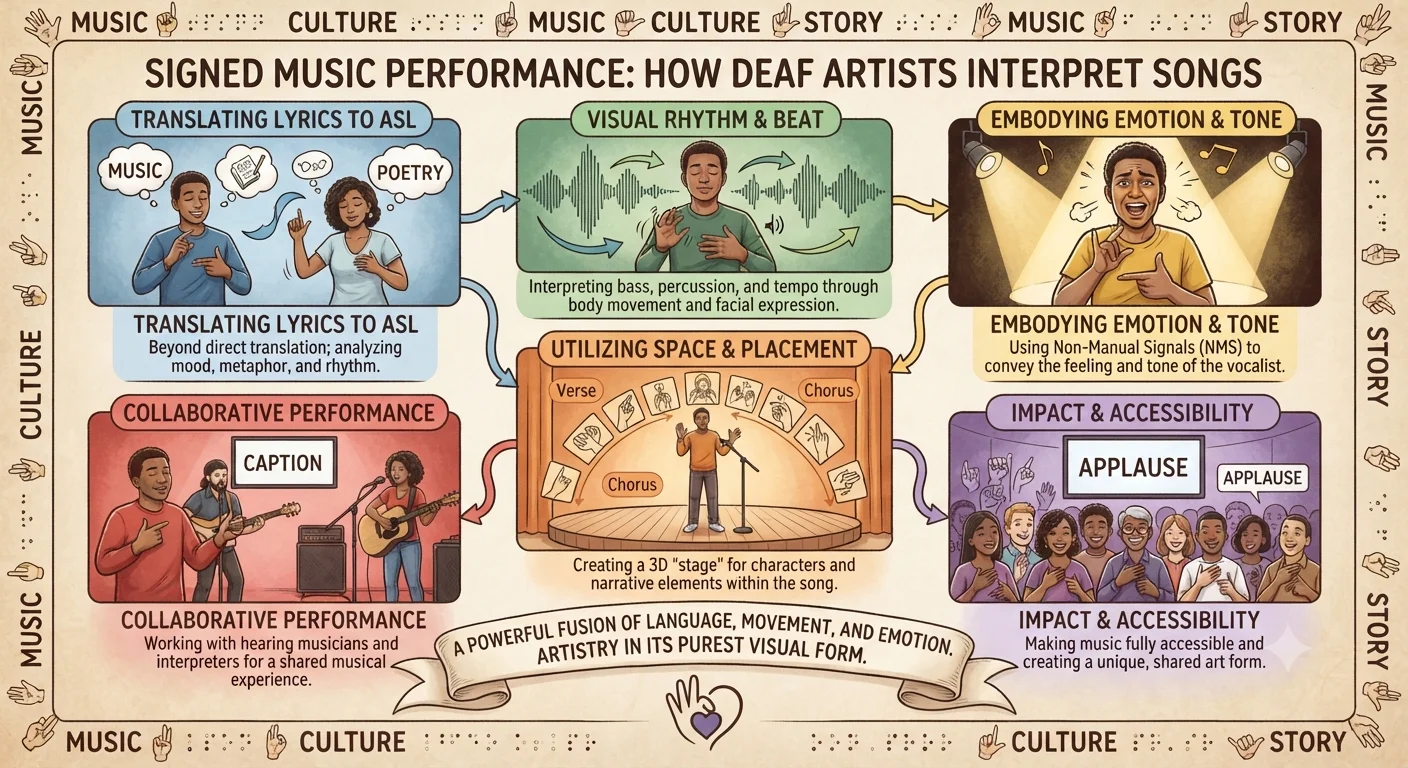 DEAF ARTISTS AND STORIES
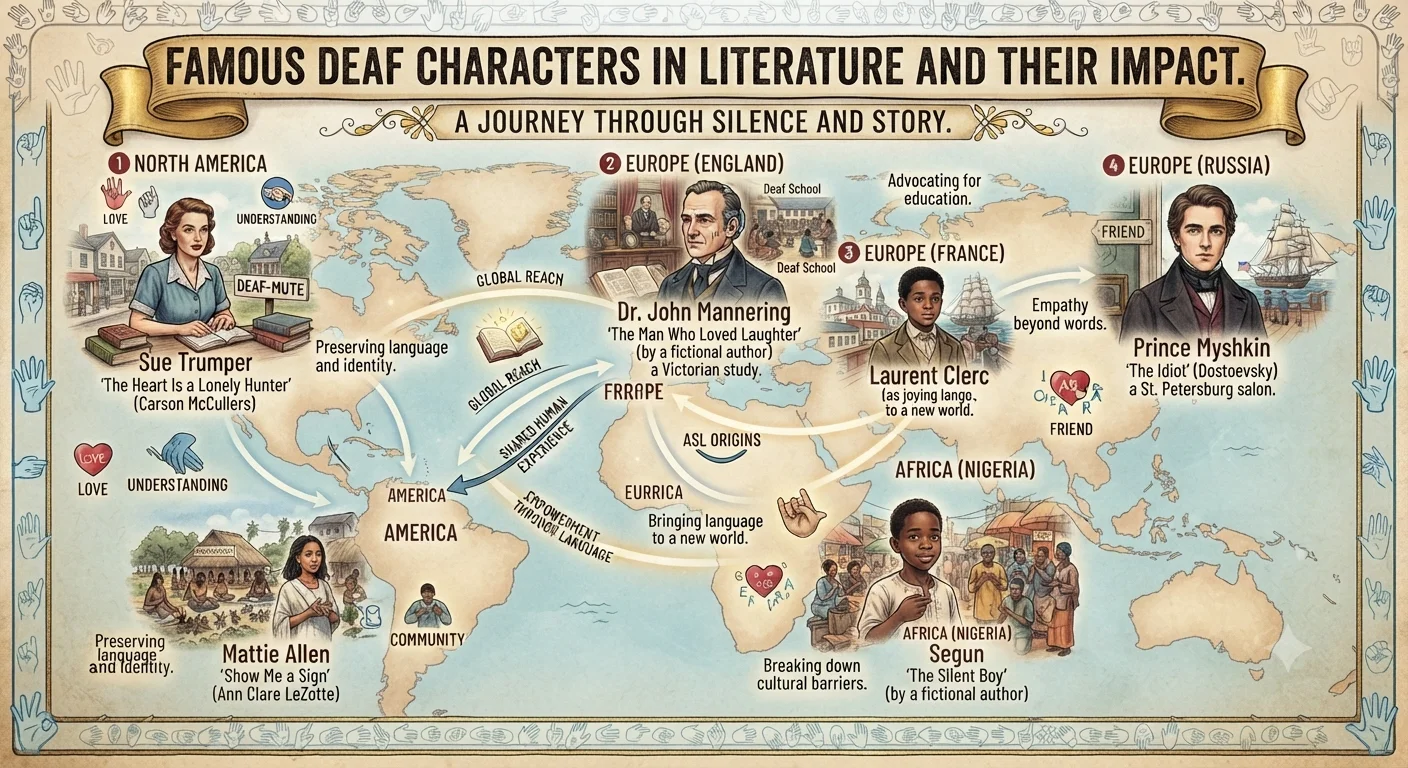 DEAF ARTISTS AND STORIES
 DEAF ARTISTS AND STORIES
This storytelling tradition provided fertile ground from which more formally recognized ASL poetry could grow as deaf artists and scholars began to study and name the techniques that community storytellers had been using instinctively for generations.
The role of Gallaudet University in ASL poetry
Gallaudet University has served as an important institutional home for ASL poetry both as a subject of academic study and as a performance art regularly showcased on campus. Faculty and students have contributed significantly to documenting analyzing and teaching ASL poetry as part of deaf studies and linguistics programs.
This academic attention has helped elevate ASL poetry from an underappreciated community tradition to a recognized literary art form studied alongside other forms of world poetry in university settings.
How ASL poetry is shared and preserved
Because ASL poetry exists in a visual medium rather than written text preserving and sharing it has historically presented unique challenges compared to written poetry. Video recording has become essential to ASL poetry preservation allowing performances to be studied shared and taught long after the original live performance has ended.
Online video platforms have significantly expanded access to ASL poetry in recent years allowing deaf poets to share their work with global audiences and allowing students and researchers to study performances repeatedly in ways that were far more difficult before widespread video availability.
Why ASL poetry matters to deaf arts and culture
ASL poetry demonstrates that sign language is not only a tool for everyday communication but a medium capable of supporting sophisticated artistic expression on par with any spoken or written literary tradition. This recognition matters for how the broader world understands and respects sign languages and the deaf communities who use them.
For deaf audiences ASL poetry offers a form of artistic expression that is entirely their own rather than translated or adapted from hearing literary traditions. It celebrates the unique visual and spatial properties of ASL in a way that no other art form can replicate.
Conclusion
The deaf poets society and the broader ASL poetry movement represent one of the most creative achievements within deaf arts and culture. Through the work of pioneering poets and scholars and continued institutional support from places like Gallaudet University ASL poetry has grown from an underappreciated community tradition into a respected literary art form that showcases the full creative potential of sign language.
FAQ
Who is considered a major pioneer of ASL poetry? Clayton Valli is widely recognized as one of the most influential figures in establishing ASL poetry as a formally studied literary art form.
What makes ASL poetry different from spoken poetry? ASL poetry relies on visual rhyme handshape repetition rhythm of movement and spatial relationships rather than the sound based rhyme and meter used in spoken poetry.
How is ASL poetry preserved since it has no written form? ASL poetry is primarily preserved through video recording which allows performances to be studied shared and taught repeatedly after the original live performance.