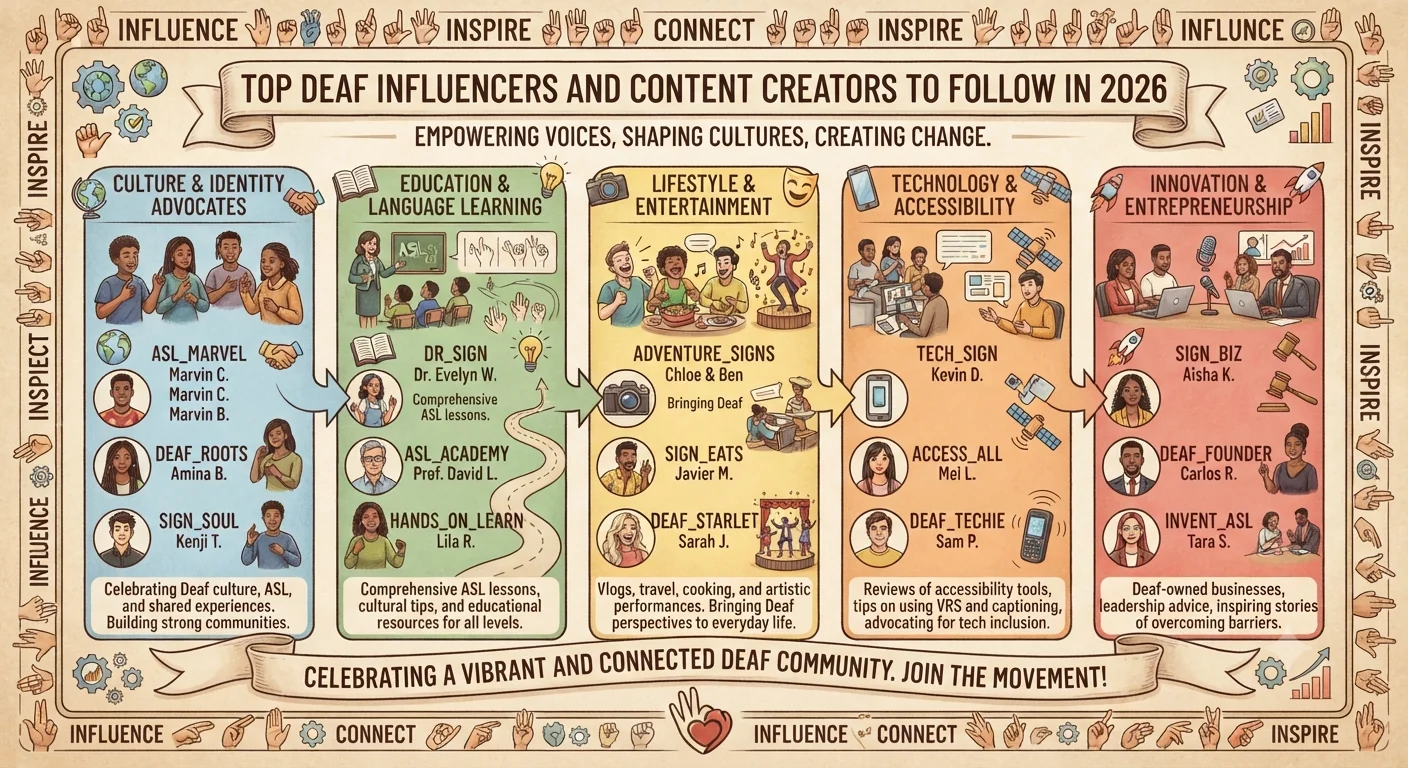
Discover the top deaf influencers and content creators to follow in 2025 who are shaping conversations about deaf culture ASL education and disability advocacy online.
Deaf influencers and content creators have built significant and growing audiences across social media platforms by sharing ASL education deaf cultural knowledge personal stories and advocacy content that reaches both deaf community members seeking representation and hearing audiences discovering deaf culture for the first time. Following these creators is one of the best ways to access authentic deaf cultural perspective while also supporting deaf voices building platforms and communities on their own terms.
Why Deaf Content Creators Matter in the Social Media Landscape
Deaf content creators occupy a uniquely important position in the social media landscape because they provide authentic first person deaf cultural perspectives that mainstream media and hearing created content about deafness consistently fail to deliver with the same accuracy depth and genuine cultural authority. When deaf creators build their own platforms they control their own narratives challenge hearing society misconceptions and create community spaces where deaf audiences can see themselves represented authentically rather than through the filtering lens of hearing interpretation and assumption.
For hearing audiences discovering deaf culture through social media deaf created content provides a fundamentally different and more genuine educational experience than content about deafness created by hearing educators or journalists however well intentioned since insider perspective brings cultural knowledge intuitive understanding and authentic community voice that outside observation cannot replicate regardless of research depth or sympathetic intention.
ASL Education Content Creators
- Why Deaf Content Creators Matter in the Social Media Landscape
- ASL Education Content Creators
- Deaf Lifestyle and Vlog Content Creators
- Deaf Advocacy and Education Creators
- Deaf Artists and Performers as Content Creators
- International Deaf Content Creators
- How to Support Deaf Content Creators
- Conclusion
- FAQ
- Why is it important to follow deaf content creators specifically rather than hearing creators who make content about deafness?
- What types of content do deaf influencers typically create?
- How can hearing audiences support deaf content creators meaningfully?
Several deaf content creators have built substantial followings specifically by creating ASL education content that teaches vocabulary grammar and cultural context to hearing learners across platforms including YouTube TikTok and Instagram. The most valuable ASL education creators among this group are deaf native signers whose content models natural authentic ASL rather than the signed English patterns or unnaturally slowed signing that characterizes some hearing created ASL education content.
Following ASL education creators who are themselves deaf provides learners with authentic language modeling while also supporting deaf educators building sustainable careers through content creation rather than depending exclusively on traditional educational institutional employment. The quality of deaf led ASL education content available online has expanded significantly in recent years providing learners with unprecedented access to high quality authentic ASL instruction from deaf educators regardless of geographic location.
Deaf Lifestyle and Vlog Content Creators
Deaf lifestyle vloggers and everyday life content creators share authentic glimpses into deaf daily life community experiences and cultural perspectives that provide invaluable immersion content for ASL learners while also building bridges of understanding between deaf and hearing audiences through genuine shared humanity and relatable everyday experience. These creators normalize deaf life and sign language use for hearing audiences who may have had little prior exposure to deaf community and culture before discovering this content.
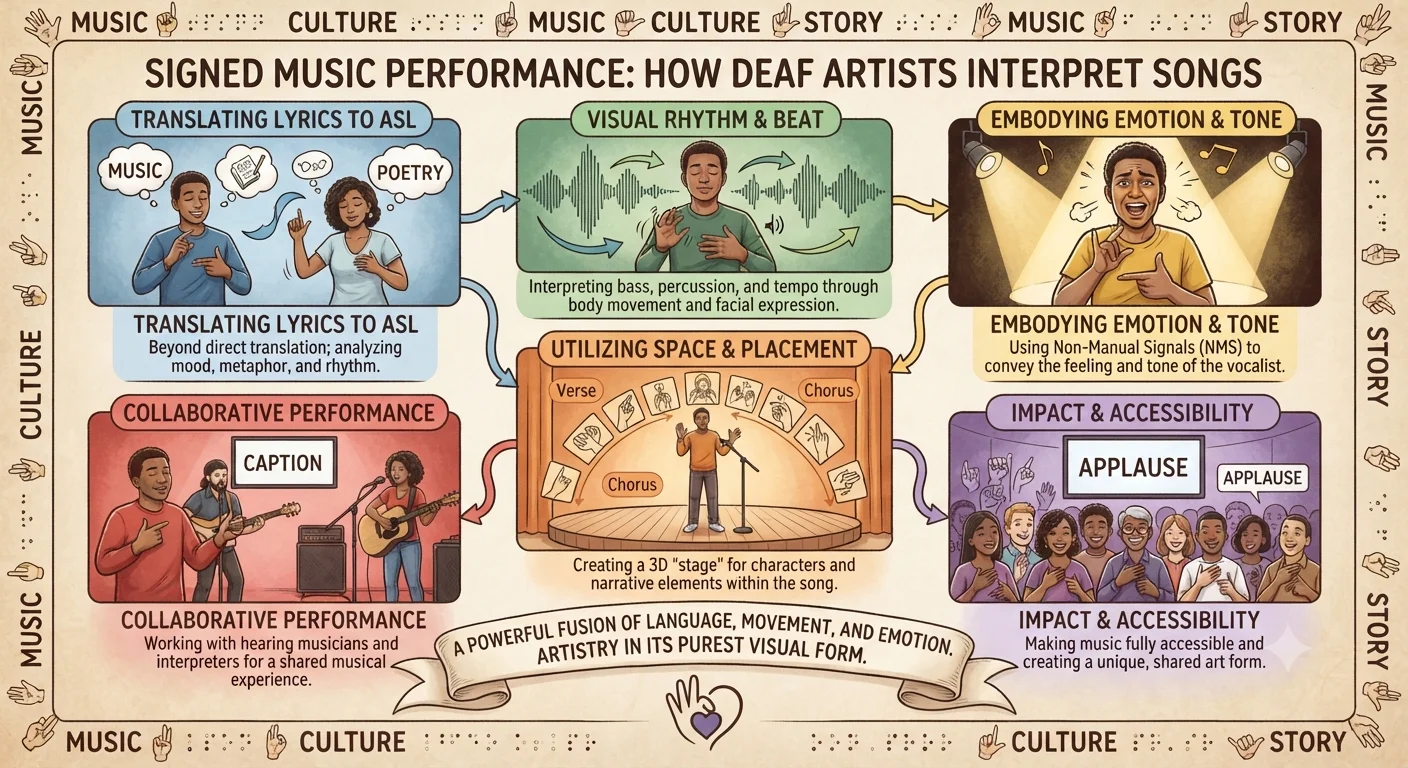
- Signed Music Performance How Deaf Artists Interpret Songs
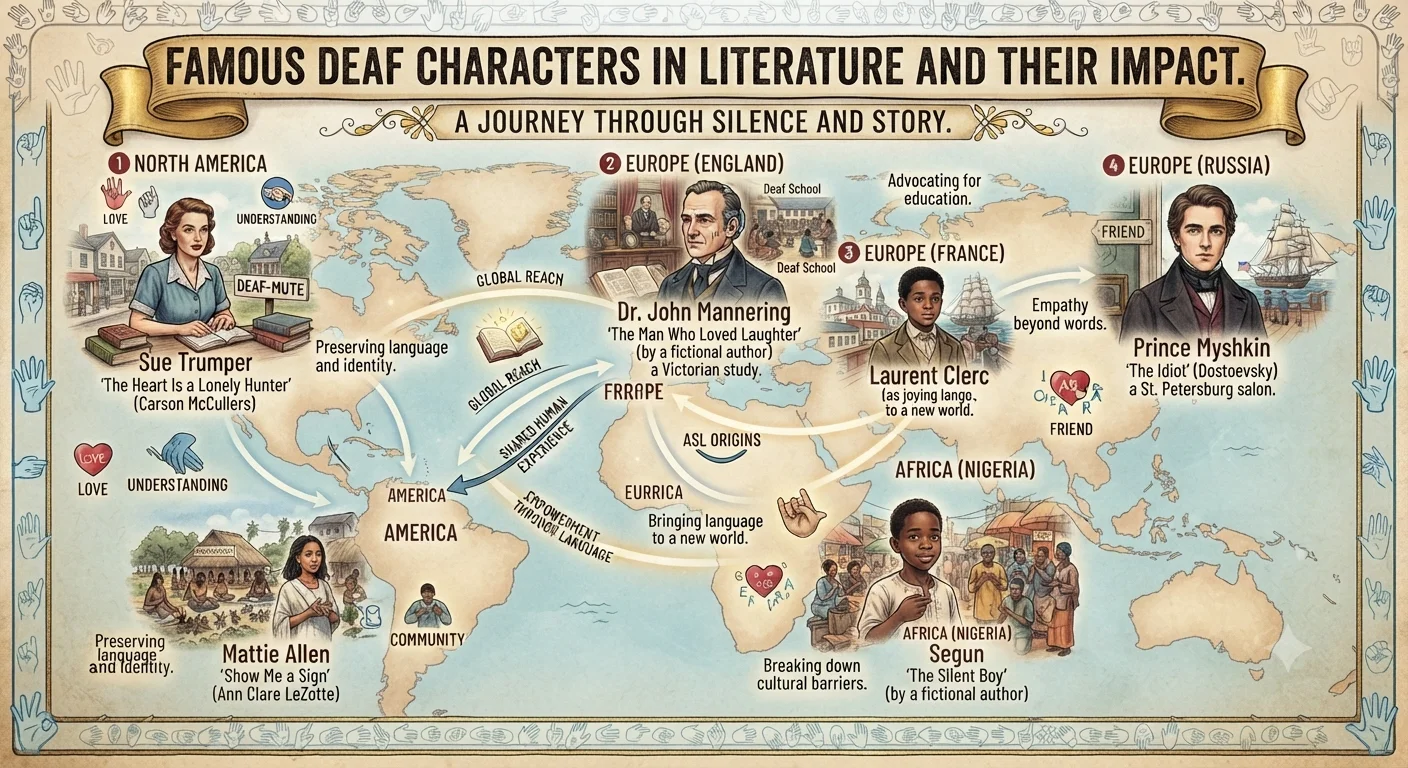
- Famous Deaf Characters in Literature and Their Impact
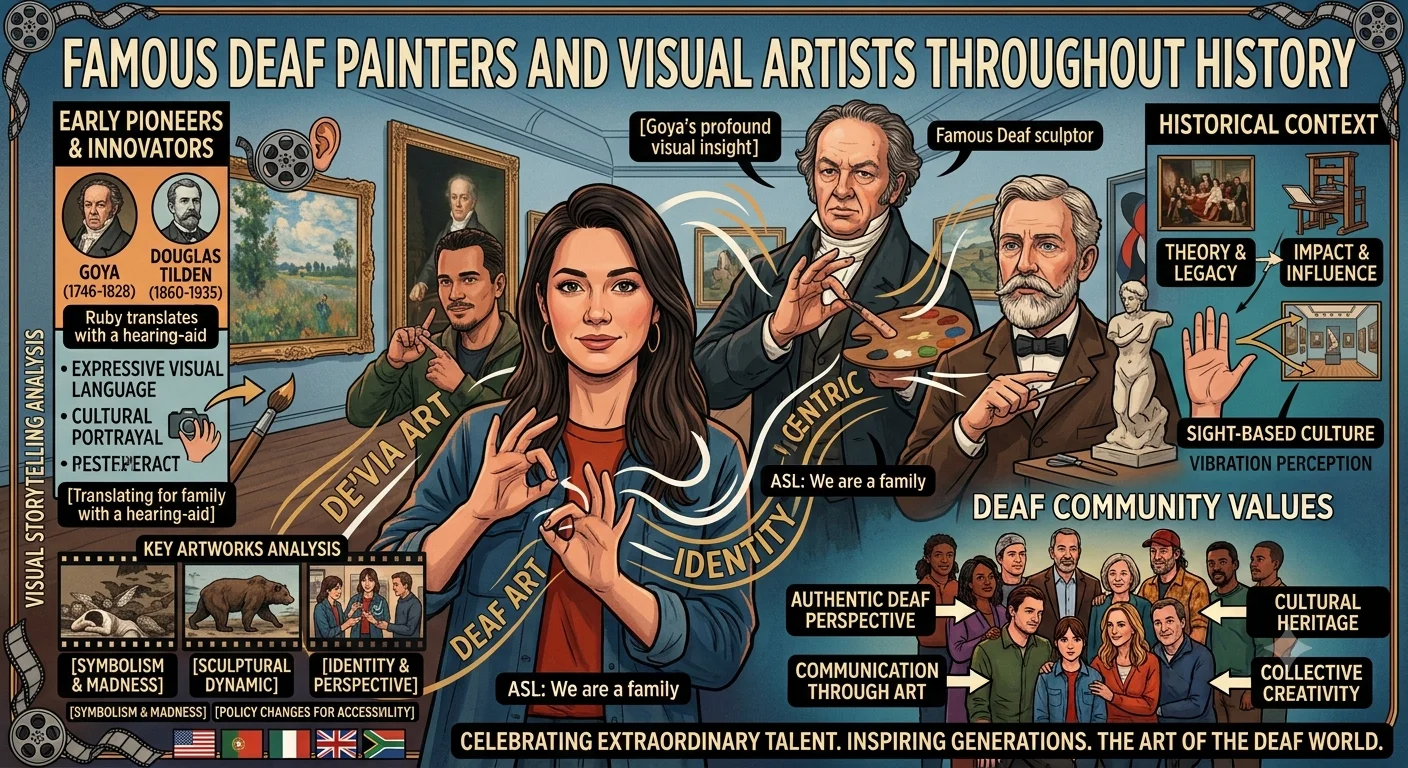
- Famous Deaf Painters and Visual Artists Throughout History
Lifestyle content from deaf creators also provides community representation for deaf viewers who may have limited deaf community connection in their immediate geographic environment finding in these online communities a sense of representation and belonging that their local context does not always provide. This community function of deaf lifestyle content extends beyond entertainment into genuine social support and identity affirmation for isolated deaf viewers.
Deaf Advocacy and Education Creators
Several prominent deaf content creators focus specifically on advocacy and education content addressing issues including cochlear implant debates educational rights for deaf children ASL recognition and the ongoing work of improving accessibility and inclusion across hearing dominated institutions and public life. These creators bring informed deaf community perspective to complex policy and advocacy debates that affect deaf lives in ways that hearing advocacy coverage often misses or misrepresents.
Recommended Articles
 DEAF ARTISTS AND STORIES
 DEAF ARTISTS AND STORIES
 DEAF ARTISTS AND STORIES
 DEAF ARTISTS AND STORIES
Nyle DiMarco whose social media presence extends his public advocacy work around ASL in deaf education has used his celebrity platform to bring deaf advocacy issues to mainstream audiences who might not otherwise engage with these policy debates. His combination of mainstream visibility and genuine deaf community commitment makes his advocacy content unusually effective at reaching audiences beyond the already convinced deaf community advocates who form the core audience for most deaf specific advocacy content.
Deaf Artists and Performers as Content Creators
Deaf artists and performers including actors comedians musicians and visual artists have increasingly built direct audience relationships through social media that extend beyond traditional media gatekeeping allowing deaf creative talent to showcase work and build fanbases independently of mainstream entertainment industry systems that have historically provided limited opportunities for deaf creative professionals.
Deaf comedy content in particular has found significant audiences on platforms like TikTok and YouTube where the visual humor and cultural specificity of deaf comedy translates effectively to short video formats that reward distinctive creative perspective and authentic personality rather than mainstream entertainment industry polish and production value.
International Deaf Content Creators
Beyond English language and ASL centered content international deaf creators signing in BSL Auslan LSF and other national sign languages provide valuable windows into deaf community life and cultural perspectives from around the world. Following international deaf creators builds awareness of the diversity of global deaf community experience while also providing exposure to different sign languages that broadens understanding of sign language as a worldwide phenomenon rather than an American specific cultural artifact.
International deaf content has become increasingly accessible to English speaking audiences as subtitling and captioning practices have improved and as platform algorithms have become more effective at surfacing diverse international content to interested audiences regardless of language barriers.
How to Support Deaf Content Creators
Beyond simply following and watching deaf content creators there are several meaningful ways to actively support their work and the broader ecosystem of deaf created online content. Engaging with content through comments shares and genuine interaction rather than passive consumption signals platform algorithms that this content deserves wider distribution expanding its reach to new audiences. Supporting creators through platform monetization features and direct patronage when available provides financial sustainability that allows deaf creators to invest more in content quality and consistency.
Avoiding downloading and redistributing deaf creators content without credit is particularly important since content theft is a significant problem that undermines the economic sustainability of independent deaf content creation and deprives creators of the audience data and monetization their work deserves.
Conclusion
Deaf influencers and content creators in 2025 represent one of the most vibrant and culturally significant sectors of online content creation providing authentic deaf cultural perspectives ASL education genuine community representation and important advocacy voices that mainstream media consistently underprovides. Following and actively supporting these creators is one of the most direct ways that both hearing and deaf audiences can contribute to the visibility sustainability and continued growth of deaf led cultural production in the digital space.
FAQ
Why is it important to follow deaf content creators specifically rather than hearing creators who make content about deafness?
Deaf content creators provide authentic first person cultural perspective and genuine community authority that hearing created content about deafness cannot replicate since insider knowledge cultural intuition and lived experience produce fundamentally different and more accurate representation than outside observation however sympathetically conducted.
What types of content do deaf influencers typically create?
Deaf influencers create content across a wide range including ASL education lifestyle vlogs comedy advocacy and awareness education arts and performance and cultural commentary providing diverse entry points for different audience interests and learning goals.
How can hearing audiences support deaf content creators meaningfully?
Meaningful support includes genuine engagement through comments and shares that expand algorithmic reach financial support through platform monetization and direct patronage features crediting creators when sharing their content and treating deaf created content with the same respect and serious attention given to hearing created content on equivalent topics.