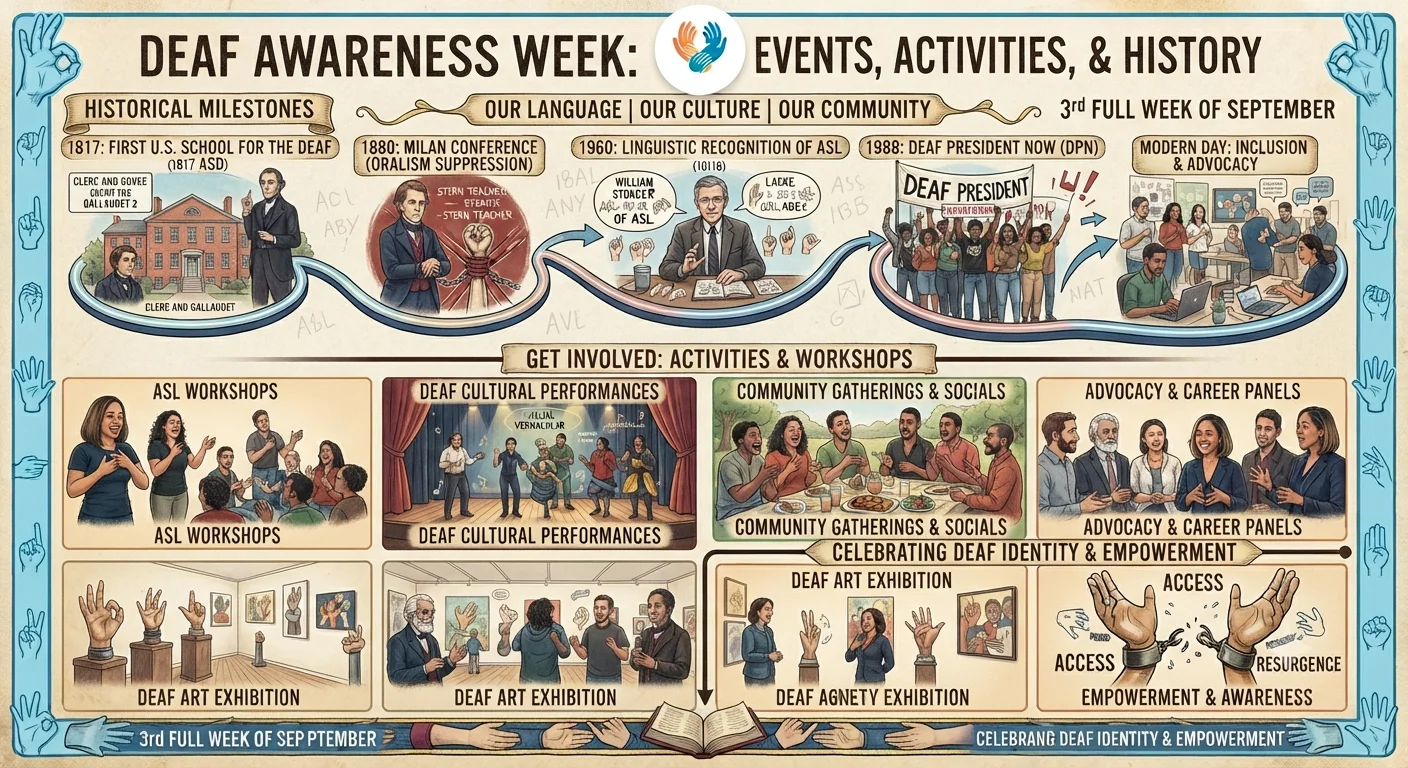
Learn about Deaf Awareness Week its history key events and activities and how communities around the world celebrate and raise awareness about deaf culture.
Deaf Awareness Week is an annual observance that brings communities together to celebrate deaf culture raise public understanding of sign language and advocate for the rights and recognition of deaf and hard of hearing people worldwide. Understanding the history and significance of this week helps explain why it matters so deeply to deaf communities and why broader public participation strengthens its impact.
What Deaf Awareness Week Is
Deaf Awareness Week is a dedicated period of community events educational activities and public outreach specifically focused on raising awareness about deaf culture sign language and the experiences of deaf and hard of hearing people. The observance typically takes place in late September in many countries often aligned with or overlapping the broader International Week of the Deaf coordinated by the World Federation of the Deaf.
The week serves multiple purposes simultaneously celebrating the richness and achievements of deaf culture while also educating the broader hearing public about deaf community needs sign language and the ongoing advocacy work required to ensure full accessibility and inclusion for deaf people across all areas of public life.
History of Deaf Awareness Week
- What Deaf Awareness Week Is
- History of Deaf Awareness Week
- Common Events and Activities During Deaf Awareness Week
- Educational Outreach in Schools During Deaf Awareness Week
- The Role of Organizations in Coordinating Deaf Awareness Week
- How Social Media Has Transformed Deaf Awareness Week
- How Hearing People Can Participate Meaningfully
- The Ongoing Advocacy Goals of Deaf Awareness Week
- Conclusion
- FAQ
- When does Deaf Awareness Week typically take place?
- What kinds of events are typically organized during Deaf Awareness Week?
- How can hearing people participate meaningfully in Deaf Awareness Week?
Deaf Awareness Week has its roots in broader international advocacy efforts by organizations representing deaf communities around the world that recognized the value of a dedicated annual period focused specifically on raising public awareness and celebrating deaf culture and community. The World Federation of the Deaf which was established in 1951 has played a central coordinating role in developing international frameworks for this kind of awareness and advocacy programming.
- How the Deaflympics Celebrates Deaf Athletes and Arts Together
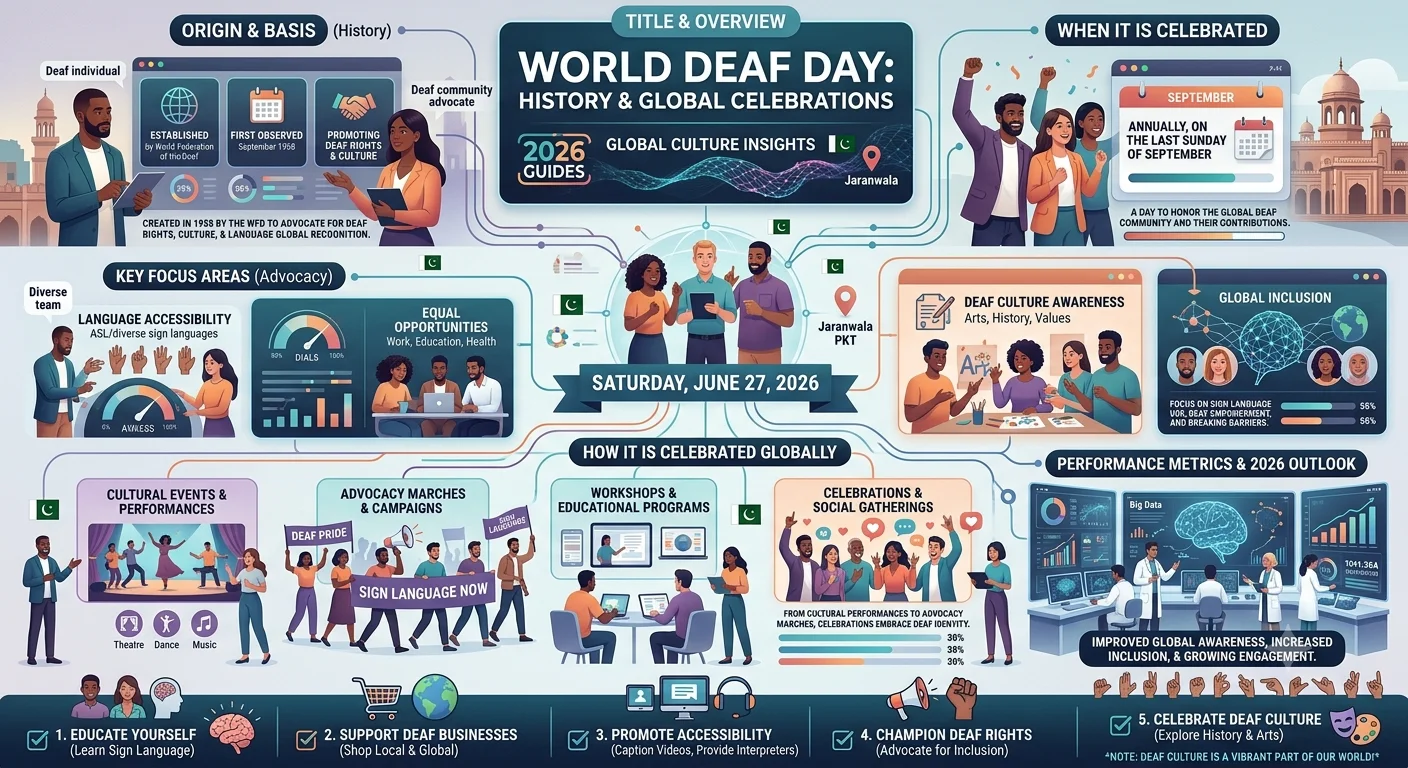
- World Deaf Day History and How It Is Celebrated Globally
- Biggest Deaf Arts Festivals Happening Around the World
Over decades the observance has grown from relatively limited local events in specific countries to a genuinely international observance with activities taking place across numerous countries simultaneously creating a global moment of focused attention on deaf community and culture that would not occur without this dedicated annual coordination.
Common Events and Activities During Deaf Awareness Week
Deaf Awareness Week programming typically includes a wide range of events and activities designed for both deaf community members and hearing members of the broader public. Public sign language demonstrations and free introductory ASL lessons are among the most commonly offered activities during this period providing accessible entry points for hearing community members curious about sign language.
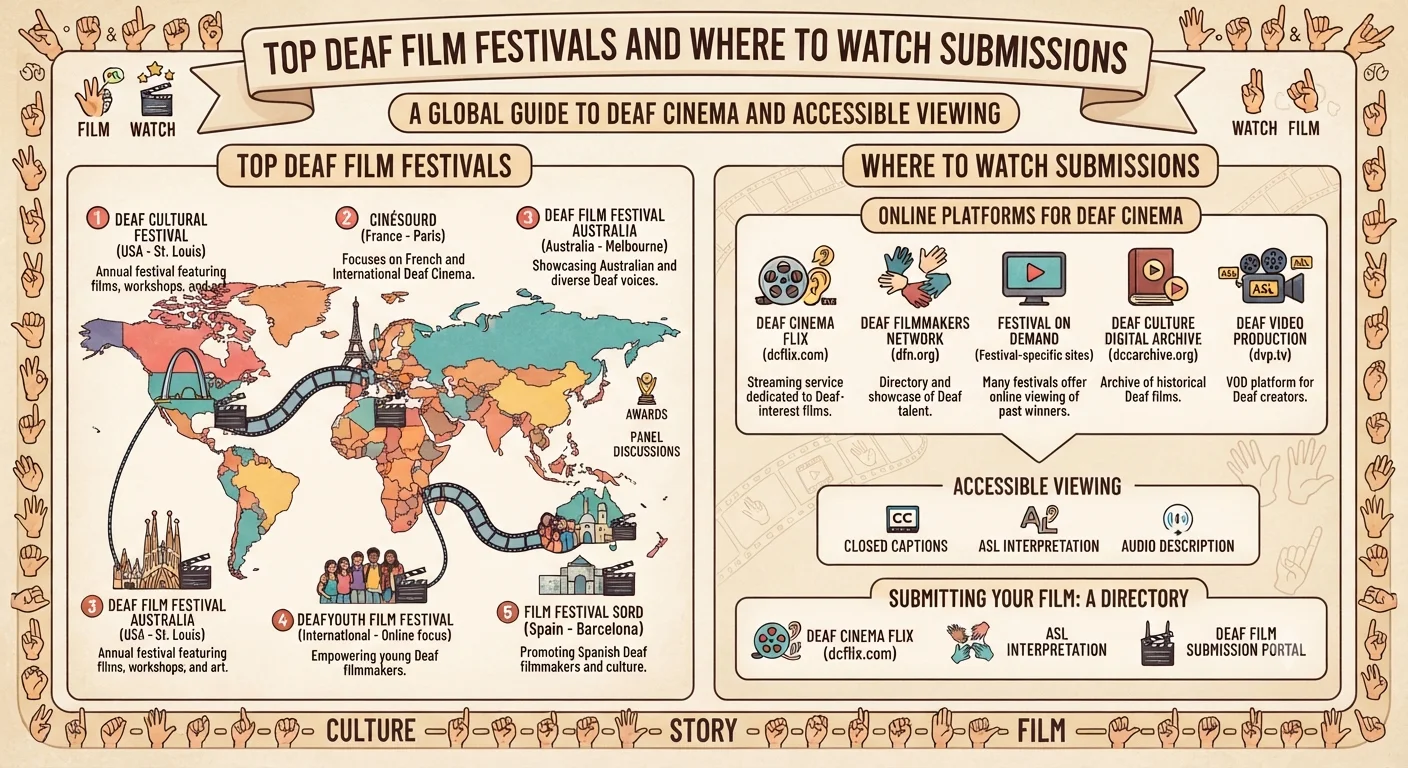
Deaf theatre performances ASL poetry showcases and other cultural performances often feature prominently during Deaf Awareness Week giving deaf artists valuable performance opportunities while also introducing hearing audiences to the rich artistic traditions within deaf culture. Film screenings of deaf focused documentaries and feature films along with panel discussions featuring deaf speakers provide additional educational programming throughout the week.
Educational Outreach in Schools During Deaf Awareness Week
Schools at all levels from primary through university frequently organize special programming during Deaf Awareness Week including classroom visits from deaf speakers introductory sign language lessons and educational presentations about deaf culture and history. This school based programming is particularly valuable for introducing children and young people to deaf culture and sign language during formative years when attitudes and awareness are most easily shaped in positive directions.
Schools for the deaf often extend their existing community outreach efforts during this period hosting open days that invite hearing community members onto their campuses to learn about deaf education and culture directly from deaf students faculty and staff in an authentic educational environment.
Recommended Articles
 EVENTS AND FESTIVALS
 EVENTS AND FESTIVALS
 EVENTS AND FESTIVALS
 EVENTS AND FESTIVALS
The Role of Organizations in Coordinating Deaf Awareness Week
National deaf organizations deaf service providers and community advocacy groups play central roles in coordinating and promoting Deaf Awareness Week activities within their respective countries and regions. These organizations often produce awareness materials develop programming resources for schools and community groups and coordinate with media outlets to increase coverage of deaf community perspectives and issues during this period of heightened public attention.
Universities with deaf studies programs also frequently contribute to Deaf Awareness Week programming through public lectures research presentations and community events that draw on their academic expertise while engaging broader community audiences beyond the immediate university context.
How Social Media Has Transformed Deaf Awareness Week
Social media platforms have fundamentally transformed how Deaf Awareness Week is observed and amplified in recent years allowing deaf individuals and organizations to share content reach new audiences and create viral moments of sign language teaching and deaf culture celebration that extend the week's reach far beyond what physical events alone could achieve.
Hashtag campaigns featuring sign language videos personal stories and deaf cultural content have become an important component of modern Deaf Awareness Week programming generating significant reach among hearing social media users who might never have attended an in person deaf awareness event but who encounter compelling content during this period of heightened online activity around these themes.
How Hearing People Can Participate Meaningfully
Hearing people who want to participate meaningfully in Deaf Awareness Week have many options beyond simply observing from a distance. Attending events organized by local deaf community organizations learning even basic sign language phrases supporting deaf owned businesses and amplifying content created by deaf individuals and organizations on social media all represent genuine contributions to the week's awareness and advocacy goals.
Perhaps most importantly hearing participants can use Deaf Awareness Week as a catalyst for longer term engagement with deaf culture and community rather than treating it as a single annual moment of attention that does not translate into sustained interest understanding or advocacy support throughout the remainder of the year.
The Ongoing Advocacy Goals of Deaf Awareness Week
Beyond celebration and public education Deaf Awareness Week consistently incorporates advocacy goals related to specific ongoing challenges facing deaf communities including access to sign language interpretation in healthcare and legal settings educational rights for deaf children recognition of national sign languages in government policy and broader social inclusion across all areas of public life.
Connecting celebration with concrete advocacy goals helps ensure Deaf Awareness Week generates tangible progress toward improved rights and recognition rather than remaining purely symbolic in its impact on the real conditions of deaf people's lives.
Conclusion
Deaf Awareness Week represents an important annual opportunity for deaf communities to celebrate their culture and achievements while educating broader public audiences about sign language deaf history and ongoing advocacy needs. As the observance continues growing in scale and reach through social media amplification and expanding organizational participation its potential impact on public awareness and deaf community recognition continues to strengthen year by year.
FAQ
When does Deaf Awareness Week typically take place?
Deaf Awareness Week typically takes place in late September in many countries often aligned with the International Week of the Deaf coordinated by the World Federation of the Deaf though specific dates can vary by country and organizing body.
What kinds of events are typically organized during Deaf Awareness Week?
Common events include public sign language demonstrations free ASL lessons deaf theatre and arts performances film screenings panel discussions and educational school programming all designed to celebrate deaf culture and raise public awareness.
How can hearing people participate meaningfully in Deaf Awareness Week?
Hearing people can attend community events learn basic sign language support deaf owned businesses amplify deaf created social media content and use the week as a catalyst for longer term engagement with deaf culture and community advocacy throughout the year.