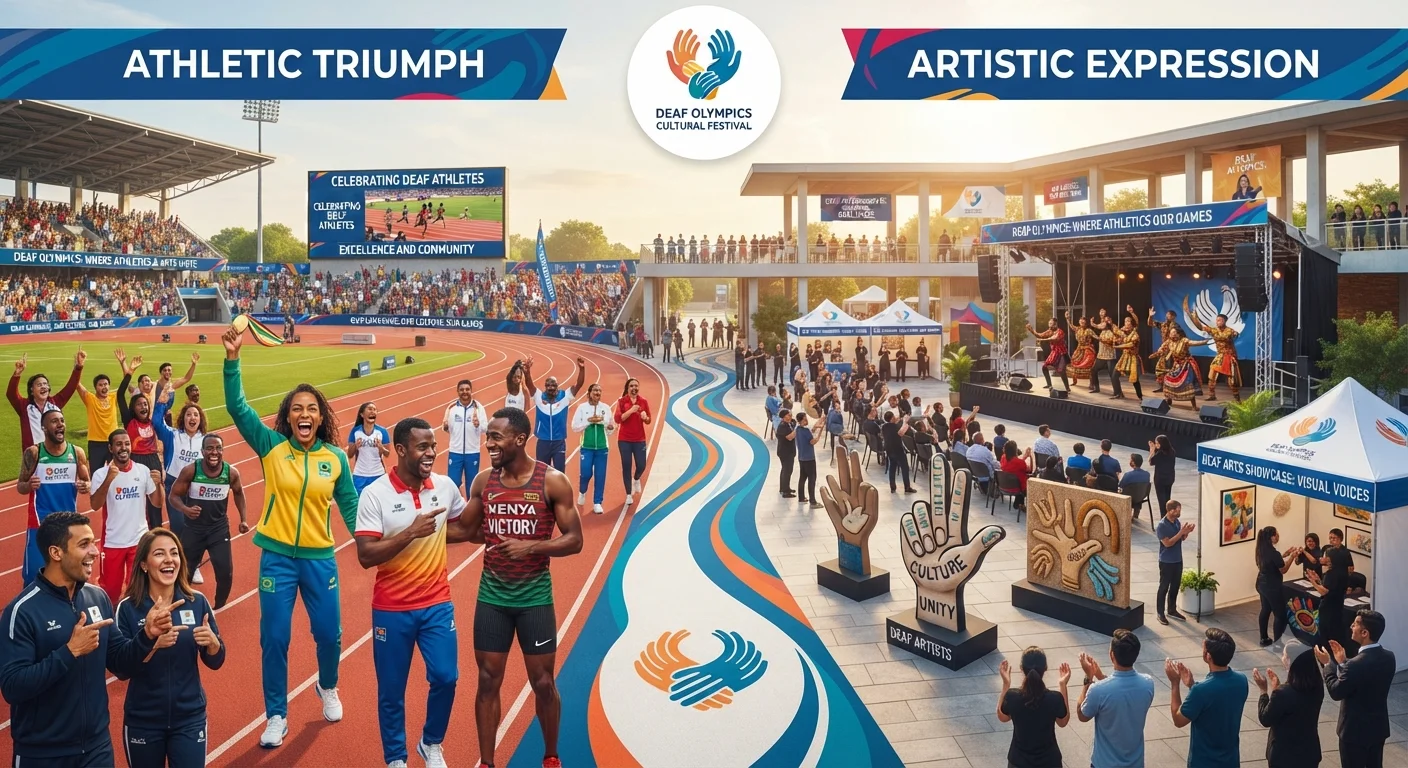
Discover how the Deaflympics celebrates deaf athletes and arts together and why this international event matters deeply to deaf culture worldwide.
The Deaflympics is one of the oldest international multi sport events in the world and one of the most significant gatherings of the global deaf community. Beyond athletic competition the games have consistently served as an important celebration of deaf culture arts and community that extends well beyond sport alone.
What the Deaflympics Is
The Deaflympics is an international multi sport event specifically for deaf athletes organized by the International Committee of Sports for the Deaf. The games have been held since 1924 making them one of the oldest international disability sports competitions in history predating even the Paralympic Games which were established decades later.
Athletes competing in the Deaflympics must meet specific audiological eligibility criteria related to their degree of hearing loss. Unlike some other disability sport competitions the Deaflympics does not permit the use of hearing aids cochlear implants or other hearing assistive devices during competition reflecting the games' specific focus on deaf athletes competing within their own community context.
History of the Deaflympics
- What the Deaflympics Is
- History of the Deaflympics
- How the Deaflympics Differs from the Paralympics
- Cultural and Arts Programming at the Deaflympics
- Why Arts Programming Matters at the Deaflympics
- The Social Significance of the Deaflympics for Global Deaf Community
- How to Follow or Attend the Deaflympics
- Conclusion
- FAQ
- When did the Deaflympics first take place?
- Why do deaf athletes have separate games from the Paralympics?
- Does the Deaflympics include arts and cultural programming alongside sports?
The first International Silent Games as the Deaflympics were originally called took place in Paris in 1924 bringing together deaf athletes from several European countries for competition across multiple sports. The games have been held every four years since that founding event with summer and winter editions alternating on a regular schedule.
The event was renamed the Deaflympics in 2001 reflecting a broader shift in how the deaf community and the broader world understand and describe deaf identity replacing the older silent games terminology that many in the deaf community found inaccurate or inappropriate given that deaf people do not universally experience silence in the way that term might imply.
How the Deaflympics Differs from the Paralympics
A common misconception is that the Deaflympics and Paralympics are the same event or that deaf athletes compete in the Paralympics. The two events are entirely separate with distinct organizing bodies histories and eligibility criteria. Deaf athletes are not eligible to compete in the Paralympics under current rules which reflect a longstanding separation between how the Deaflympics and Paralympic movements have developed independently.
This separation reflects the deaf community's distinct cultural identity and preference for maintaining their own dedicated international games that celebrate deaf community and culture specifically rather than being incorporated into a broader disability sports framework that may not fully reflect deaf cultural values and community priorities.
Cultural and Arts Programming at the Deaflympics
Beyond athletic competition the Deaflympics has consistently incorporated cultural programming that celebrates deaf arts and community alongside the sporting events. This cultural dimension reflects the broader purpose the games serve as a gathering of the global deaf community rather than purely an athletic competition.
Cultural events at the Deaflympics have included deaf theatre performances ASL and sign language poetry showcases visual arts exhibitions and community social events that bring together deaf people from different countries who share cultural identity and community even while using different national sign languages in their daily lives.
Recommended Articles
 EVENTS AND FESTIVALS
 EVENTS AND FESTIVALS
 EVENTS AND FESTIVALS
 EVENTS AND FESTIVALS
Why Arts Programming Matters at the Deaflympics
The integration of arts and cultural programming alongside athletic competition at the Deaflympics reflects a core understanding within deaf culture that community identity encompasses far more than any single domain of human activity. Sport and arts are both essential expressions of community vitality and including both within the Deaflympics framework reinforces that the games serve the whole deaf community and its full cultural life rather than only its athletic participants.
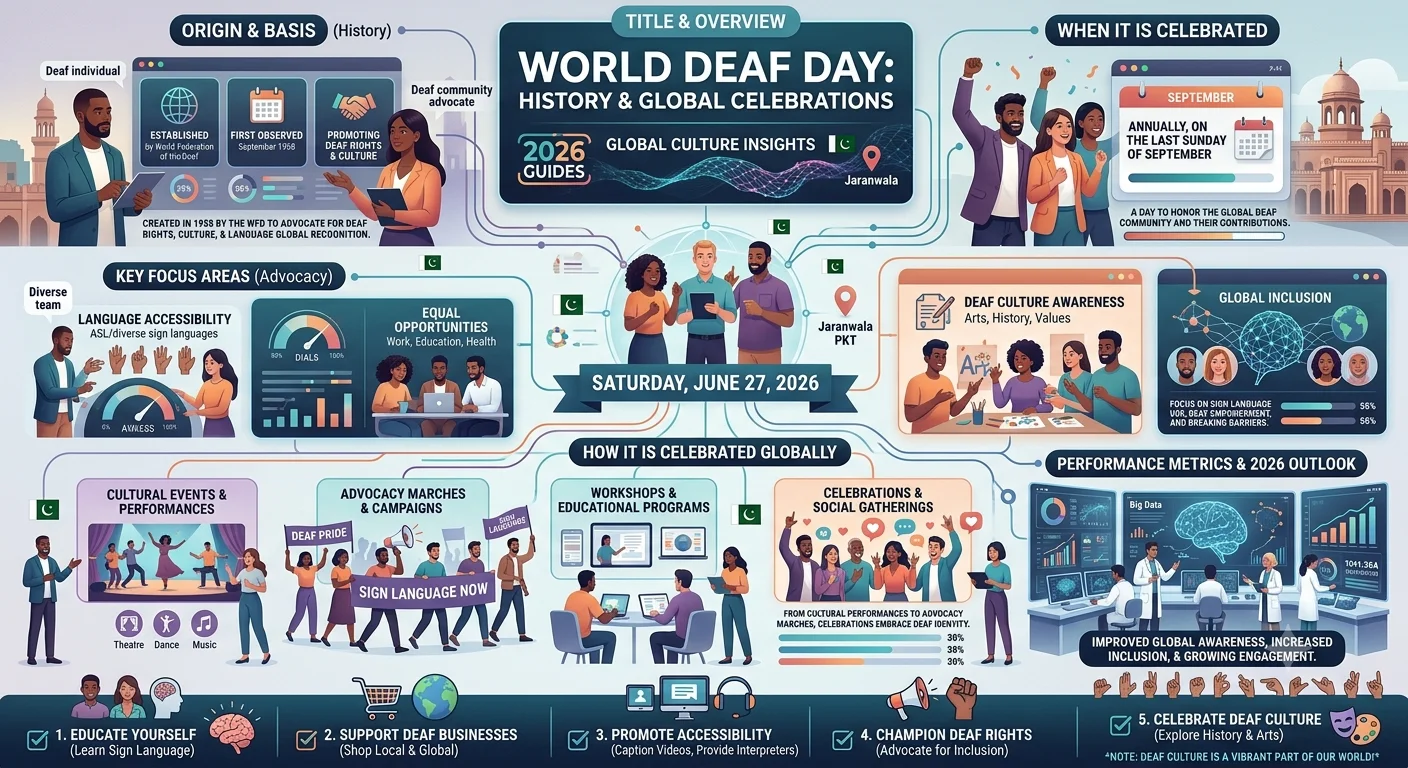
- World Deaf Day History and How It Is Celebrated Globally
- Biggest Deaf Arts Festivals Happening Around the World
For deaf artists and performers the Deaflympics also provides a rare opportunity for international visibility and cross cultural exchange with deaf audiences and fellow artists from many different countries simultaneously which is difficult to replicate through any other single event or gathering.
The Social Significance of the Deaflympics for Global Deaf Community
For many deaf participants and attendees the Deaflympics represents far more than watching or competing in athletic events. The games provide an extraordinary opportunity to connect with deaf people from across the world creating friendships and professional relationships within a genuinely global deaf community that transcends individual national contexts and specific national sign languages.
This global community building function of the Deaflympics is particularly meaningful given that deaf people represent a linguistic and cultural minority dispersed across every country in the world rather than concentrated geographically in ways that might otherwise allow for more frequent cross cultural deaf community connection in everyday life.
How to Follow or Attend the Deaflympics
The Deaflympics is held in different host cities for each edition with both summer and winter games occurring on a regular four year schedule. Prospective attendees interested in experiencing both the athletic competition and cultural programming can find information about upcoming games host cities and event schedules through the International Committee of Sports for the Deaf which coordinates the games internationally.
Conclusion
The Deaflympics stands as one of the most significant and longstanding celebrations of deaf community achievement bringing together deaf athletes and artists from around the world for a gathering that honors the full breadth of deaf cultural life rather than athletic competition alone. Its combination of sporting excellence cultural programming and global community connection makes it one of the most important recurring events in the international deaf community calendar.
FAQ
When did the Deaflympics first take place?
The first games originally called the International Silent Games took place in Paris in 1924 making the Deaflympics one of the oldest international multi sport events in history.
Why do deaf athletes have separate games from the Paralympics?
The Deaflympics and Paralympics are entirely separate events with distinct histories and organizing bodies reflecting the deaf community's distinct cultural identity and longstanding preference for maintaining their own dedicated international games.
Does the Deaflympics include arts and cultural programming alongside sports?
Yes the Deaflympics has consistently included cultural programming such as theatre performances sign language poetry and visual arts exhibitions alongside athletic competition reflecting the games' broader purpose as a celebration of the full deaf community and its cultural life.