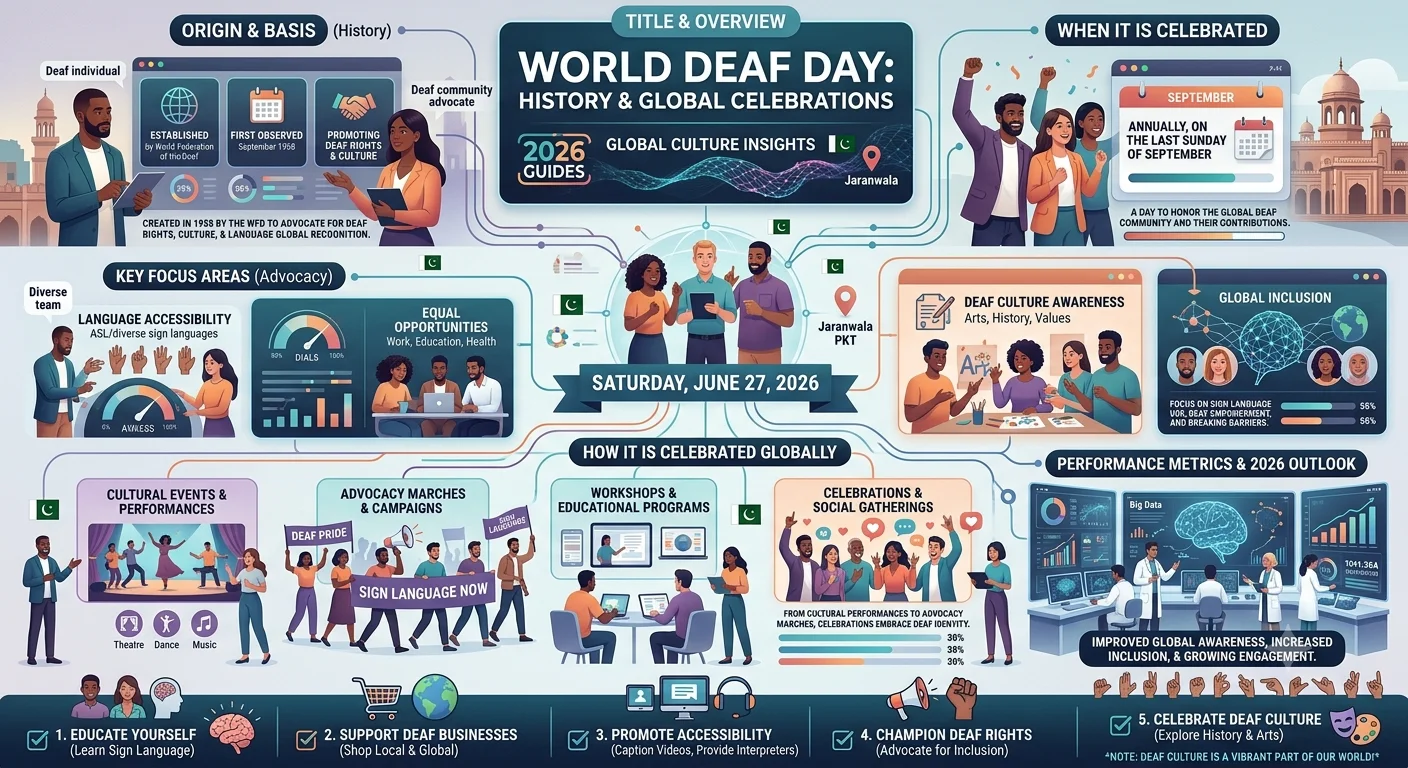
World Deaf Day represents an important annual moment of global recognition for deaf communities, culture and achievement. Understanding the history and significance of this observance offers insight into how deaf communities around the world unite to celebrate their shared identity and advocate for continued recognition and rights.
The origins of World Deaf Day
World Deaf Day traces its origins to the World Federation of the Deaf which has worked since its founding in 1951 to promote the rights and recognition of deaf people globally. The observance was established as part of broader efforts to raise international awareness about deaf culture sign languages and the ongoing advocacy needs of deaf communities across different countries and regions.
The specific timing and exact history of how the observance became formalized reflects the World Federation of the Deaf's decades long work coordinating advocacy efforts among national deaf organizations representing deaf communities across dozens of countries worldwide.
The connection to International Week of the Deaf
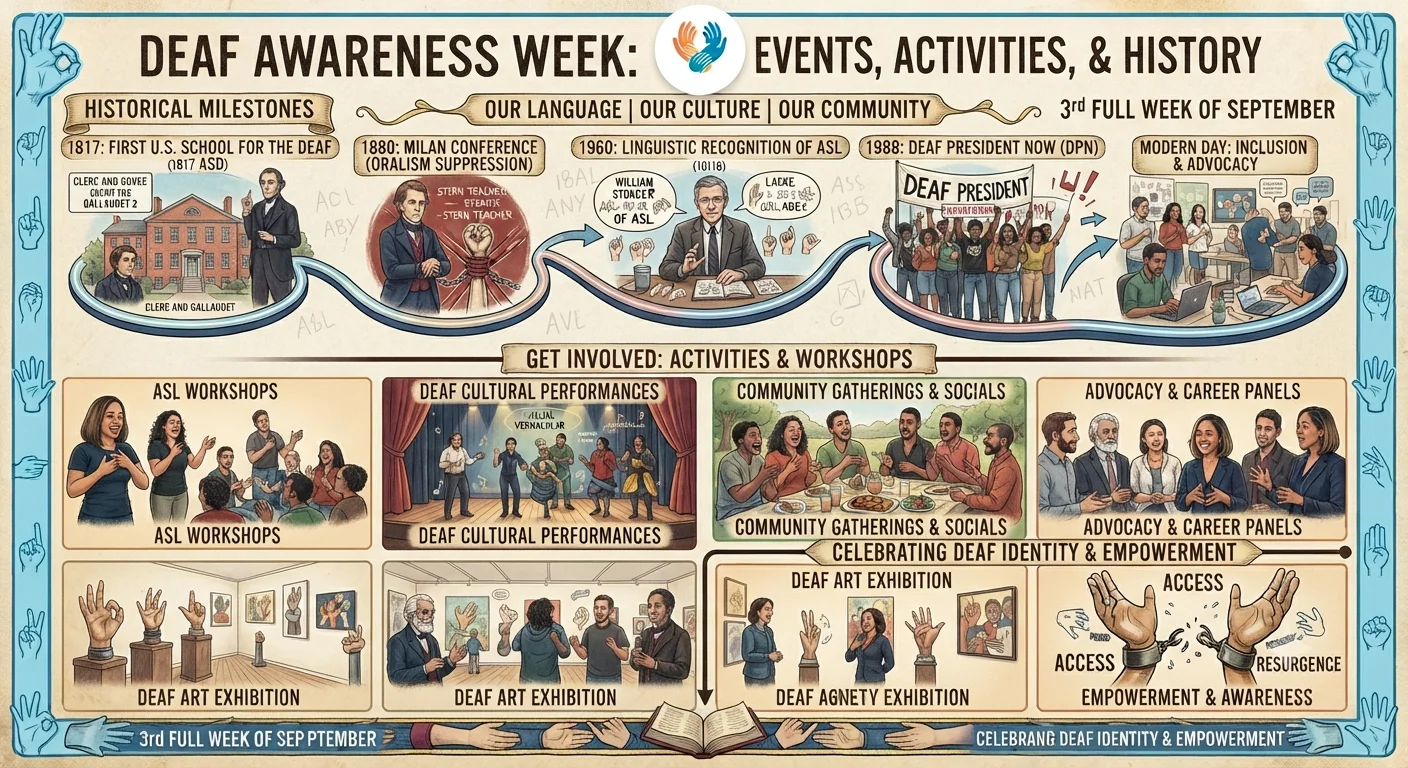
World Deaf Day is often observed in connection with the broader International Week of the Deaf which typically takes place in September and includes a range of educational cultural and advocacy events organized by deaf communities and organizations around the world. This week long observance provides extended opportunities for programming beyond a single day allowing for more comprehensive community celebration and advocacy activity.
National deaf organizations in many countries coordinate their own local programming during this period often including educational outreach to the broader public alongside celebratory events specifically for deaf community members themselves.
Common ways World Deaf Day is celebrated
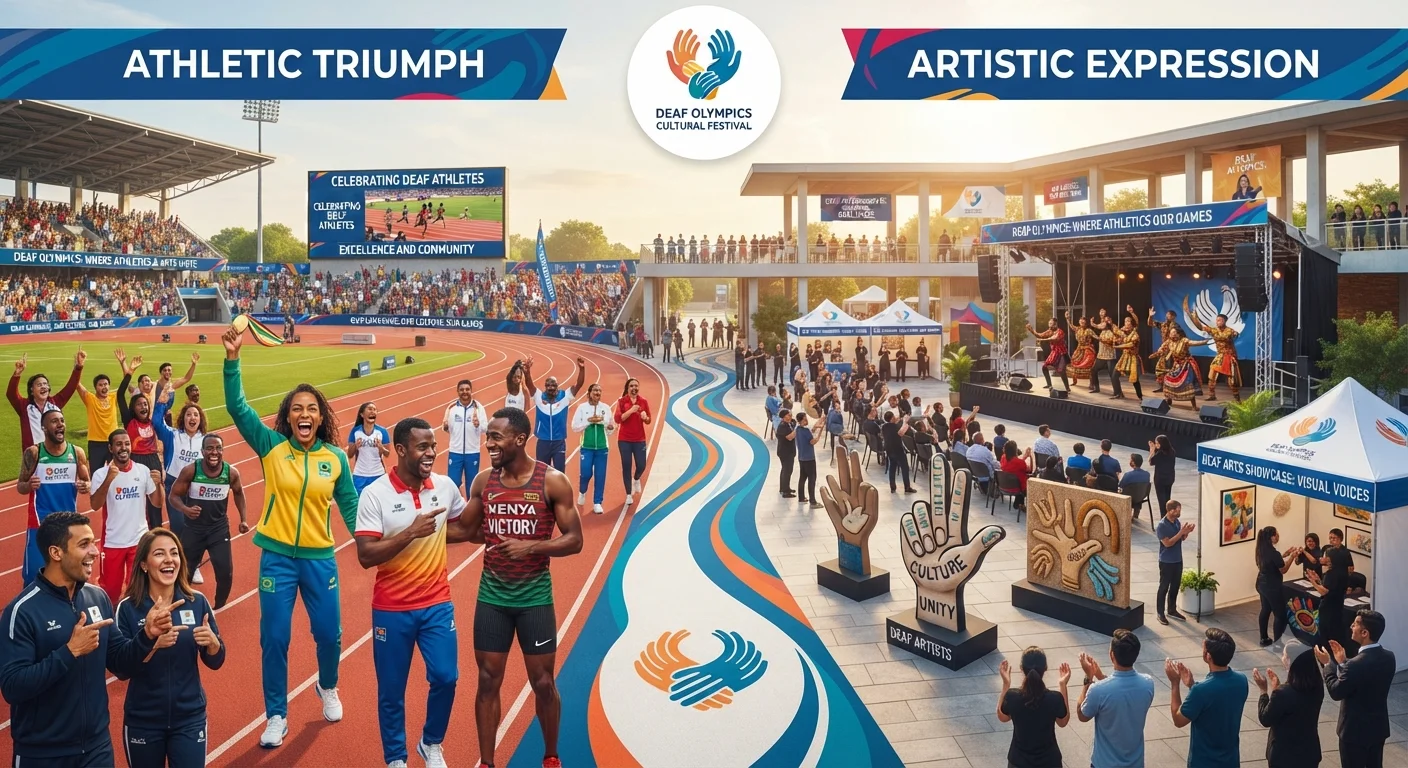
Celebrations of World Deaf Day vary significantly by country and community but often include public awareness events designed to educate the broader hearing public about deaf culture and sign language. Some communities organize public sign language demonstrations or lessons specifically designed to introduce hearing community members to basic signs and deaf cultural awareness.
Deaf community organizations frequently host celebratory gatherings that bring together community members for socializing performance and shared celebration of deaf identity and achievement. These events often include components like ASL poetry performances storytelling and other deaf arts programming that showcase the cultural richness of the community to both deaf and hearing attendees.
The role of advocacy in World Deaf Day observances
Beyond celebration World Deaf Day observances frequently incorporate advocacy components addressing ongoing challenges facing deaf communities including access to sign language interpretation in healthcare and legal settings educational rights for deaf children and broader recognition of national sign languages within government policy.
Many national deaf organizations use the increased public attention around World Deaf Day to advance specific policy advocacy goals or to highlight particular challenges their community continues to face drawing on the heightened visibility the observance provides to advance important rights based goals.
How schools and educational institutions participate
Schools for the deaf and educational programs serving deaf students frequently organize special programming around World Deaf Day including assemblies cultural presentations and activities designed to help students connect with broader global deaf community and history beyond their immediate local context.
Recommended Articles
 EVENTS AND FESTIVALS
 EVENTS AND FESTIVALS
 EVENTS AND FESTIVALS
 EVENTS AND FESTIVALS
Universities with deaf studies programs including Gallaudet University often host events and educational programming that connects their academic community with broader global observance activities helping students understand their place within an international deaf community and movement.
Why global recognition matters for deaf communities
International observances like World Deaf Day help reinforce that deaf community and culture exists as a genuinely global phenomenon connecting deaf people across different countries languages and cultural contexts who nonetheless share certain common experiences and advocacy concerns related to their deaf identity and community membership.
This global connection can be particularly meaningful for deaf individuals who may feel isolated within their immediate local context recognizing that they are part of a much larger international community with shared history and ongoing advocacy efforts happening simultaneously in countries around the world.
The role of social media in modern observances
In recent years social media platforms have played an increasingly significant role in how World Deaf Day is celebrated and publicized allowing deaf individuals and organizations to share content connect with broader audiences and amplify advocacy messages well beyond what was possible through traditional local event programming alone.
This digital dimension has helped create more visible and interconnected global observance of World Deaf Day allowing deaf communities in different countries to see and connect with each other's celebrations and advocacy efforts in ways that were not previously possible before widespread social media adoption.
Conclusion
World Deaf Day serves as an important annual touchpoint for global deaf community celebration cultural recognition and continued advocacy efforts. Through a combination of public celebration cultural programming and policy advocacy this observance helps reinforce deaf identity and community connection while advancing important recognition and rights based goals for deaf people around the world.
FAQ
When is World Deaf Day typically observed? World Deaf Day is often observed in connection with the broader International Week of the Deaf which typically takes place in September though specific dates and programming can vary by country and organization.
What organization is most closely associated with World Deaf Day? The World Federation of the Deaf which has worked since 1951 to promote deaf rights and recognition globally is closely associated with coordinating and promoting this international observance.
How can hearing people participate respectfully in World Deaf Day events? Hearing people can participate by attending public educational events organized for World Deaf Day learning basic sign language and supporting deaf led organizations and advocacy efforts throughout the year rather than only during this specific observance period.