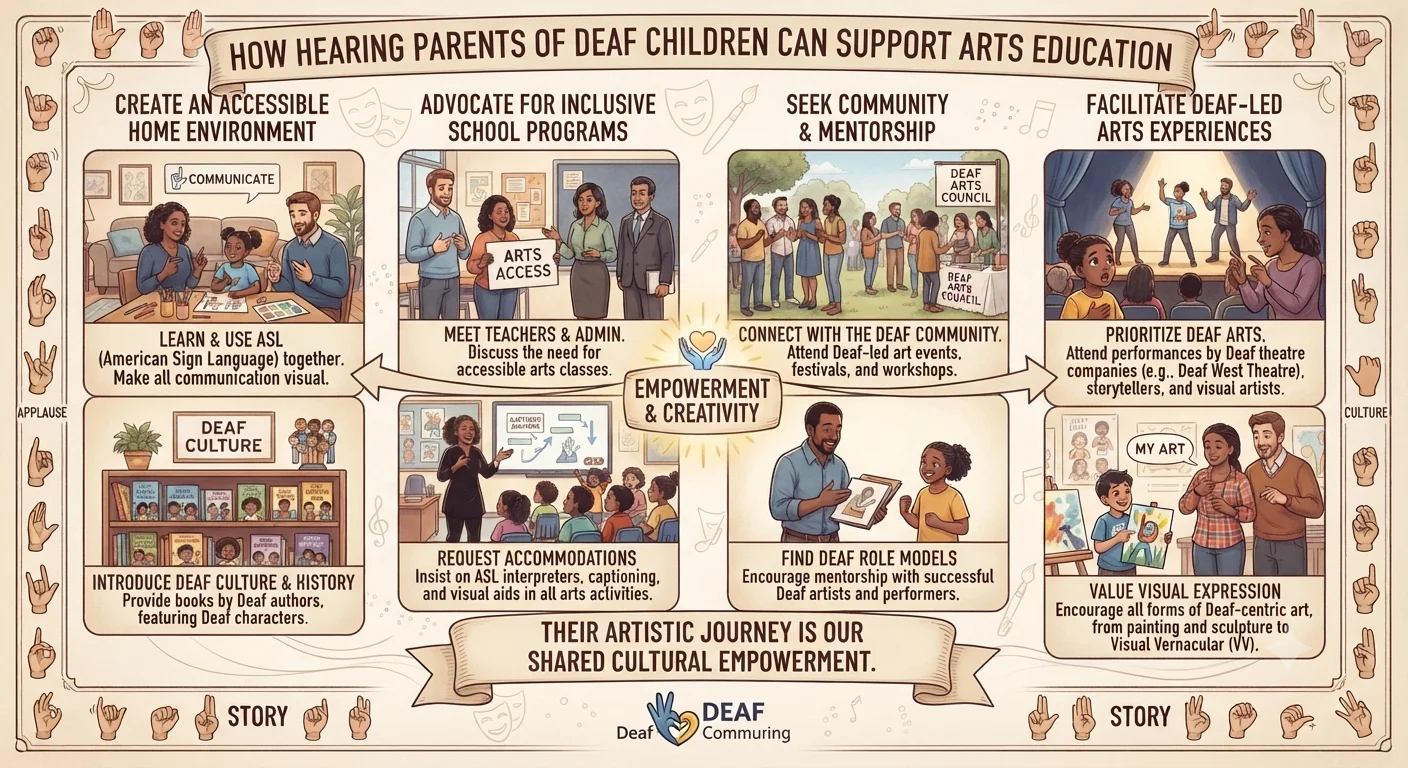
Learn how hearing parents of deaf children can support arts education through sign language exposure deaf community connection and creative opportunity access.
Hearing parents of deaf children face a unique set of challenges and opportunities when it comes to supporting their child's arts education. Most hearing parents have no prior experience with deaf culture sign language or the specific ways arts education can be most meaningfully accessed and experienced by deaf children. This guide provides practical and thoughtful guidance for hearing parents committed to giving their deaf child the richest possible arts education experience.
Understanding Why Arts Education Matters Particularly for Deaf Children
Arts education holds particular significance for deaf children beyond the general developmental benefits it provides to all children. Theatre visual art music experienced through vibration and ASL poetry all offer deaf children opportunities to express themselves fully in ways that align with their natural visual and physical communication strengths rather than requiring them to constantly navigate communication barriers that exist in many other educational contexts.
For many deaf children arts settings particularly those specifically designed for deaf participants represent some of the first environments where their natural communication style is not just accommodated but genuinely celebrated and built upon as an artistic strength. This experience of genuine inclusion and creative affirmation can have profound positive effects on confidence and identity development that extend well beyond the arts classroom itself.
Learning Sign Language as a Family
- Understanding Why Arts Education Matters Particularly for Deaf Children
- Learning Sign Language as a Family
- Connecting with the Deaf Community Early and Genuinely
- Seeking Out Arts Programs Specifically Designed for Deaf Youth
- Supporting Creative Expression at Home
- Advocating for Arts Access in Educational Settings
- Being Open to Your Child's Own Artistic Identity
- Conclusion
- FAQ
- What is the most important thing hearing parents can do to support their deaf child's arts education?
- Should hearing parents of deaf children seek out deaf specific arts programs rather than mainstream programs with accommodation?
- How can hearing parents support their deaf child's creative expression at home?
The single most important step hearing parents can take to support their deaf child's arts education and overall development is committing to learning ASL as a family rather than leaving their deaf child as the only sign language user in their home environment. When parents siblings and other family members all make genuine effort to develop ASL skills the deaf child gains full language access in their most fundamental and immediate social environment rather than experiencing language isolation at home.
This family sign language learning also enables parents to engage meaningfully with their child's arts education experiences by being able to discuss performances art works and creative activities in the child's primary language rather than having communication barriers limit the depth of these important conversations. Many communities offer family ASL classes specifically designed for hearing families with deaf children which provide both language instruction and valuable connections to other families navigating similar experiences.
Connecting with the Deaf Community Early and Genuinely
Hearing parents who connect their deaf child with deaf community early and genuinely rather than primarily within hearing centered spaces give their child access to deaf adult role models cultural knowledge and community belonging that profoundly support healthy identity development. Deaf adults who have navigated the world as deaf people offer perspective and modeling that hearing parents however loving and committed simply cannot provide from their own experience.
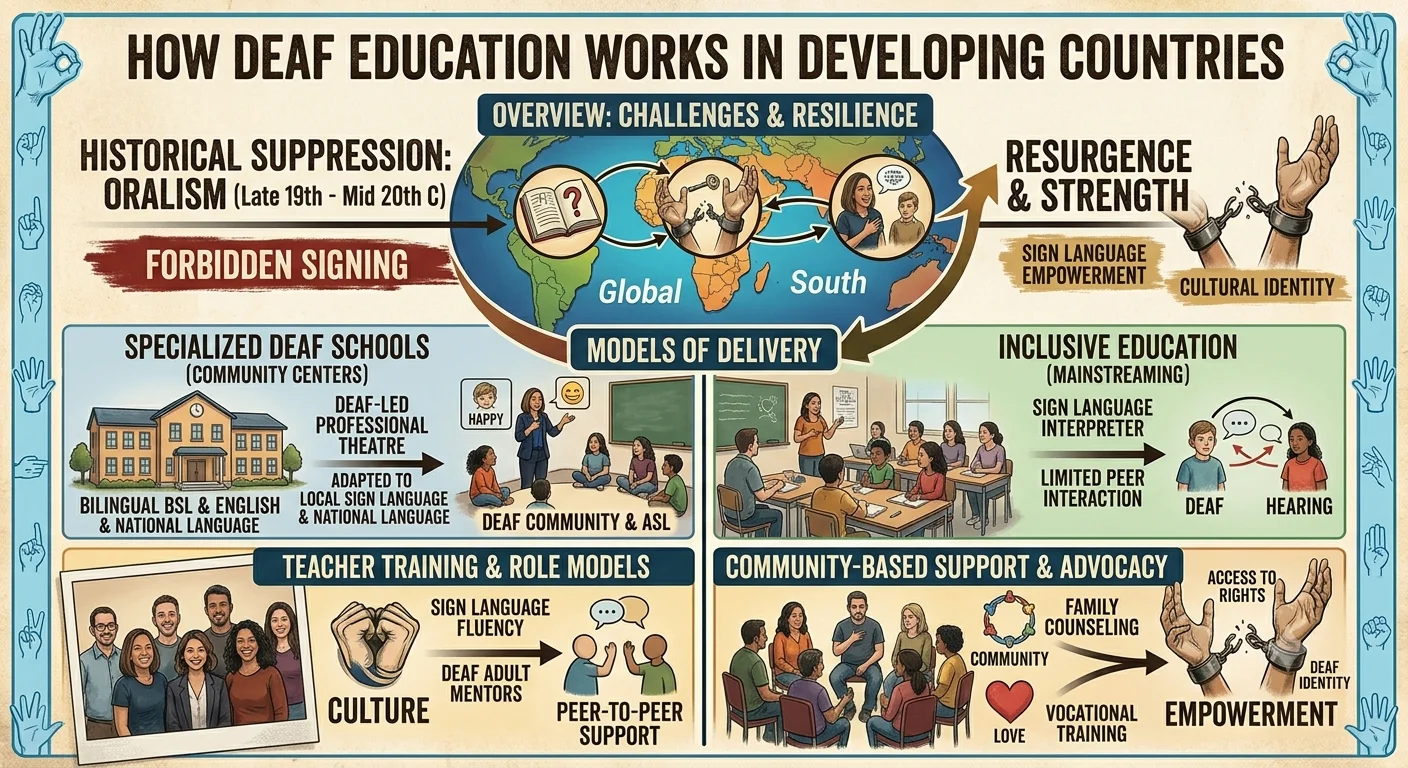
- How Deaf Education Works in Developing Countries
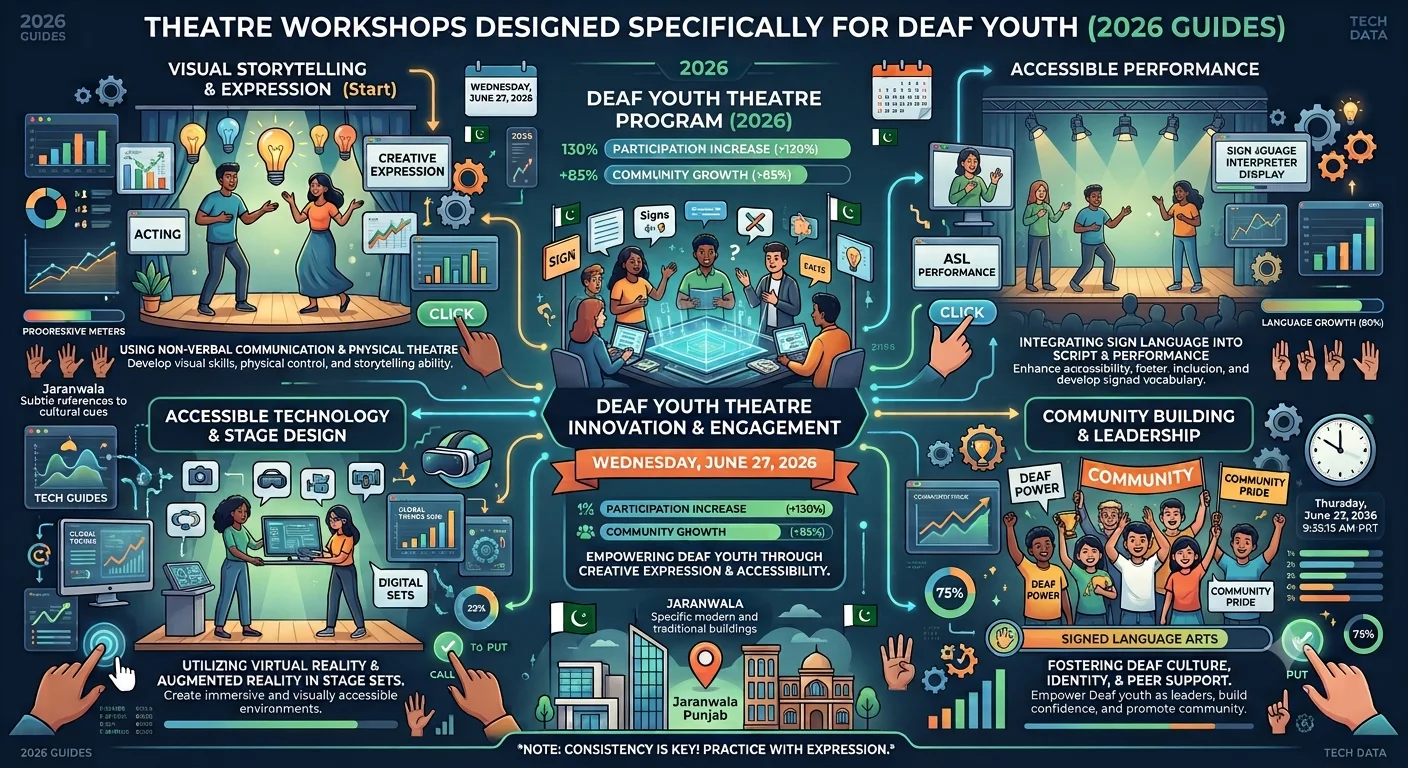
- Theatre Workshops Designed Specifically for Deaf Youth
- What Is Bilingual Deaf Education and Why It Matters
Deaf community arts events performances and festivals provide valuable opportunities for deaf children to see deaf adults engaged in creative and professional artistic life which is enormously important for helping deaf children envision their own potential futures as creative and professional individuals within and beyond the deaf community. These exposures to deaf artistic role models can spark artistic interests and ambitions in deaf children that might not emerge from exposure only to hearing artistic models in mainstream settings.
Seeking Out Arts Programs Specifically Designed for Deaf Youth
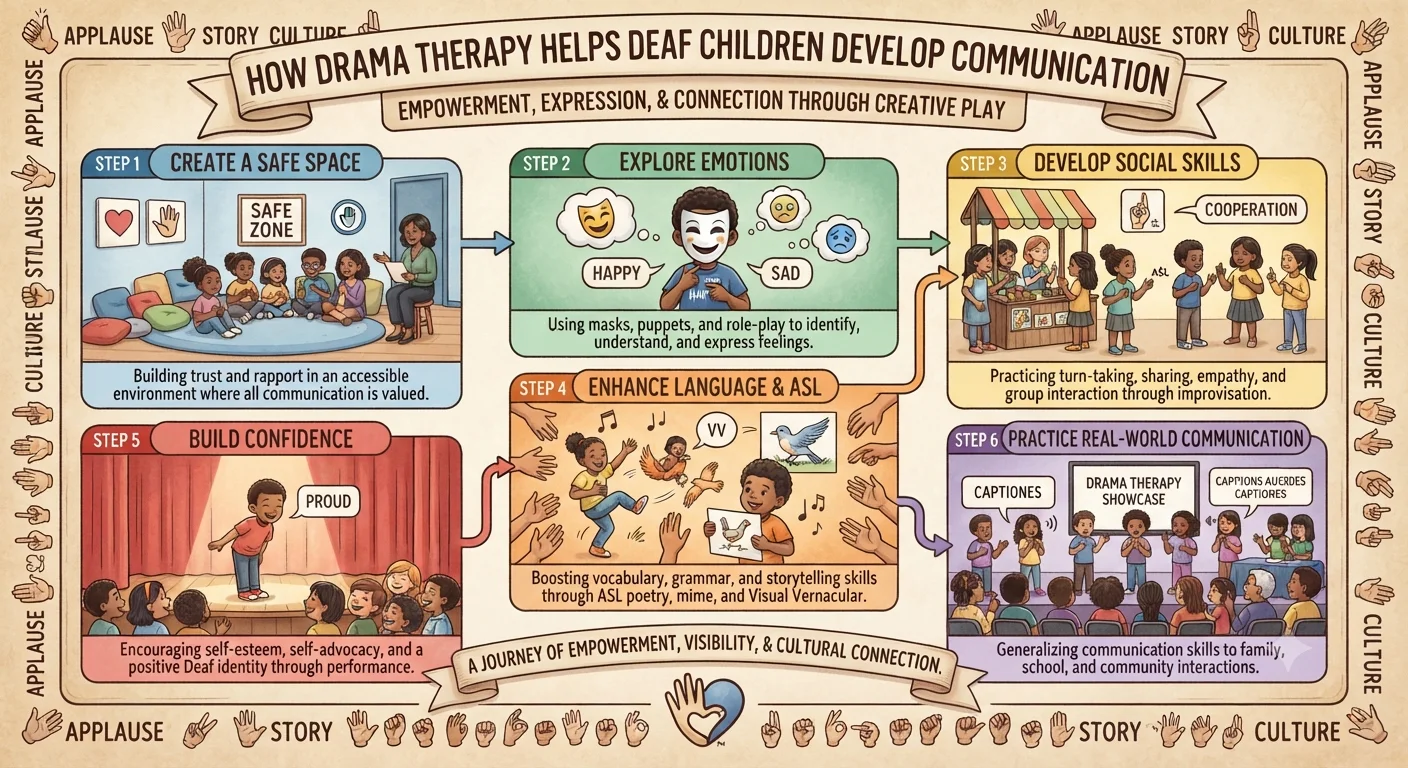
Hearing parents should actively seek out theatre workshops visual arts programs and other arts education opportunities specifically designed for deaf youth rather than assuming mainstream arts programs with interpretation or other accommodations will provide equally meaningful experiences. Programs designed specifically for deaf participants can offer genuinely inclusive environments where the child is not the only deaf participant and where instruction is delivered in ways that build on rather than simply accommodate deaf communication and learning styles.
Recommended Articles
 DEAF EDUCATION AND SCHOOLS
 DEAF EDUCATION AND SCHOOLS
 DEAF EDUCATION AND SCHOOLS
 DEAF EDUCATION AND SCHOOLS
Schools for the deaf often maintain strong arts programs that hearing parents of deaf children in mainstream educational settings may not initially consider. Even if a child primarily attends a mainstream school participating in summer programs extracurricular workshops or community programs at schools for the deaf can provide valuable exposure to arts education in a fully deaf centered environment that mainstream programs cannot replicate regardless of how thoughtfully they include accommodation services.
Supporting Creative Expression at Home
Beyond formal arts education programs hearing parents can create rich home environments that support and celebrate their deaf child's creative expression across multiple art forms. This includes providing art materials encouraging storytelling in ASL attending deaf arts events as a family and treating the child's creative work with genuine respect and enthusiasm rather than only as therapeutic activity or developmental exercise.
Parents who learn enough ASL to engage with their child's signed storytelling and creative expression at home give the child something extremely valuable which is a primary caregiver who can genuinely witness and respond to their most natural form of creative expression rather than only engaging with creative work produced through written or other modalities that may feel less natural to the child.
Advocating for Arts Access in Educational Settings
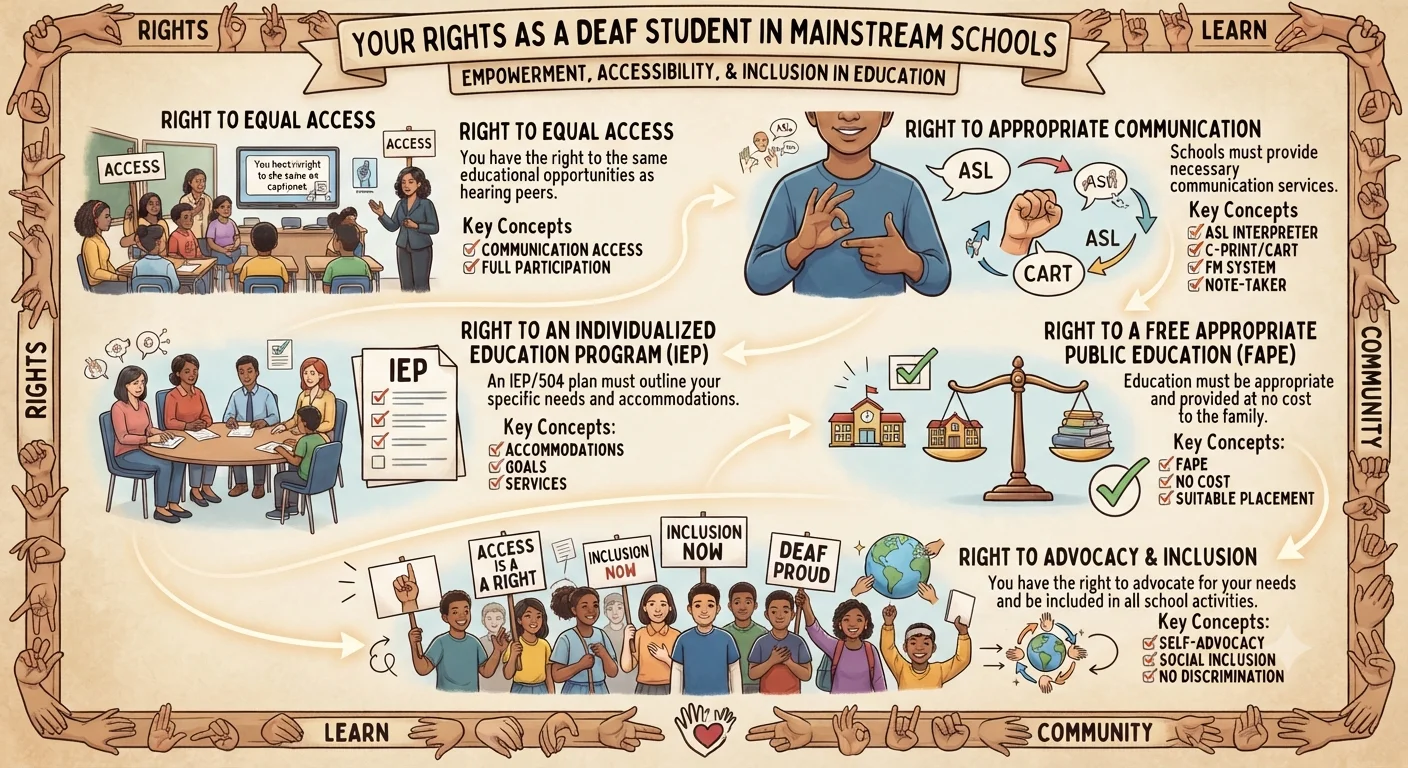
Hearing parents of deaf children in mainstream educational settings often need to actively advocate for genuine arts access rather than assuming standard school arts programs are equally accessible to their deaf child. This advocacy might involve ensuring qualified ASL interpreters are present in all arts classes confirming that arts teachers have received at least basic guidance on working with deaf students and pushing for genuine creative inclusion rather than modified participation that reduces the deaf child's creative experience compared to hearing peers.
Parents should also advocate for their child's right to create art in ASL and other visual forms without always being required to translate creative work into written English for assessment purposes since this requirement can systematically undervalue and misrepresent the sophistication of creative work produced in the child's primary language.
Being Open to Your Child's Own Artistic Identity
As deaf children develop their own artistic interests and identities hearing parents should remain genuinely open to artistic paths that may look different from what they initially imagined for their child. A deaf child who discovers a passion for ASL poetry visual vernacular performance or deaf theatre is expressing genuine artistic identity that deserves the same enthusiastic support that a hearing child's interest in spoken word performance or mainstream theatre would receive.
Resisting any impulse to steer a deaf child toward artistic forms that feel more comfortable or familiar to hearing parents and instead following the child's own genuine creative enthusiasms even into artistic territories the parents are less familiar with represents perhaps the deepest form of support hearing parents can offer their deaf child's artistic development.
Conclusion
Hearing parents of deaf children who commit to learning sign language connecting genuinely with deaf community seeking out specifically designed arts programs and advocating for full arts access give their children the strongest possible foundation for rich and meaningful arts education. This commitment requires ongoing effort and genuine openness to learning from deaf community perspectives but pays dividends in their child's creative confidence cultural belonging and lifelong relationship with artistic expression.
FAQ
What is the most important thing hearing parents can do to support their deaf child's arts education?
Learning ASL as a family is the most foundational support hearing parents can provide since it gives the deaf child full language access at home and enables parents to genuinely engage with their child's creative expression in their primary language.
Should hearing parents of deaf children seek out deaf specific arts programs rather than mainstream programs with accommodation?
Deaf specific arts programs often provide more genuinely inclusive experiences where instruction builds on rather than simply accommodates deaf communication strengths making them valuable complements or alternatives to mainstream programs with interpretation services.
How can hearing parents support their deaf child's creative expression at home?
Parents can provide art materials encourage ASL storytelling attend deaf arts events as a family and develop enough sign language to genuinely witness and respond to their child's creative expression in their most natural communication mode.