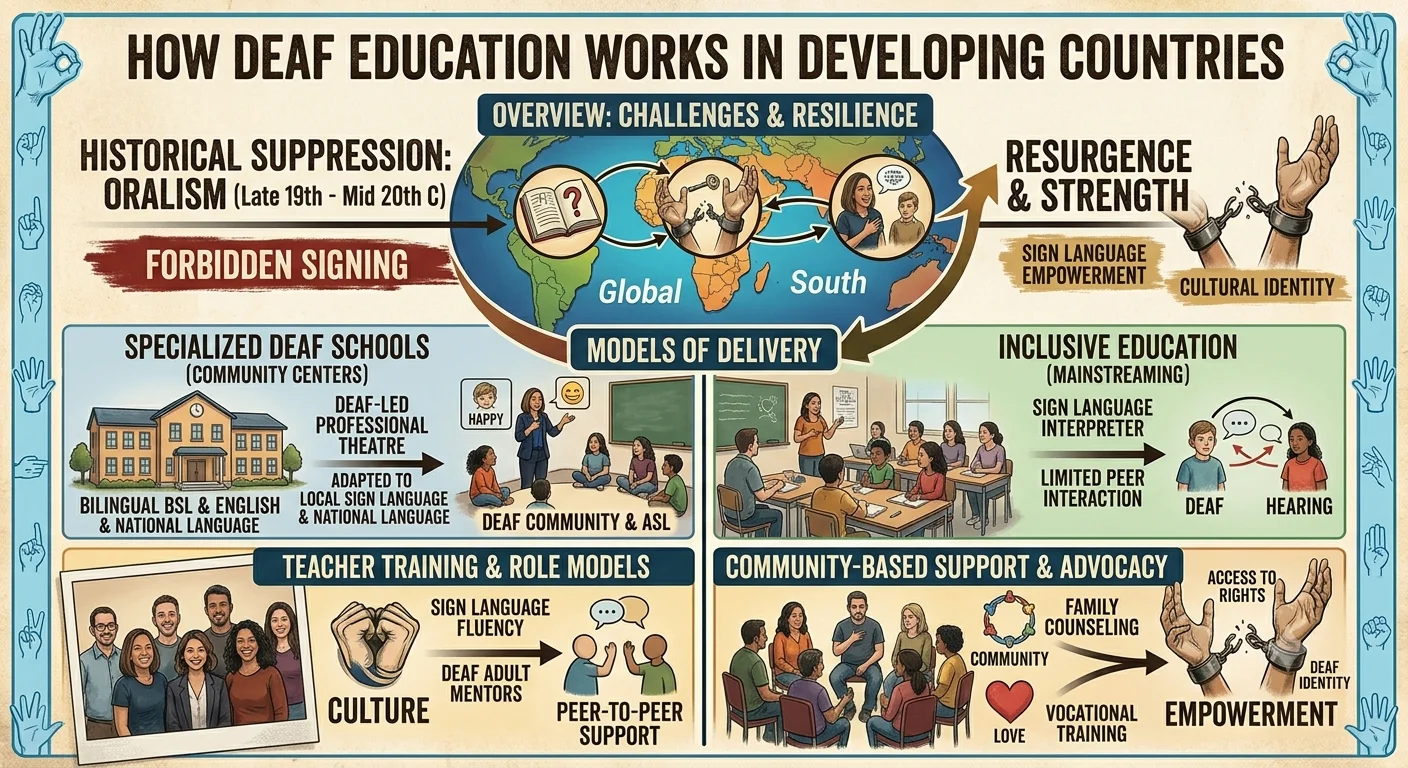
Deaf education in developing countries often faces significantly different challenges compared to wealthier nations including limited resources fewer trained educators and inconsistent access to sign language based instruction. Understanding these challenges and the ongoing efforts to address them offers important perspective on global deaf education disparities.
Limited access to formal deaf education
In many developing countries deaf children face significant barriers simply accessing any formal education at all let alone education specifically designed to meet their language and communication needs. Limited overall educational infrastructure combined with specific gaps in deaf education resources means many deaf children in developing nations receive little to no formal schooling particularly in rural areas far from limited existing deaf education resources.
This educational access gap often compounds existing challenges deaf children face since limited formal education combined with potentially limited sign language access within their immediate family creates significant barriers to language development and broader life opportunities during critical childhood years.
The challenge of standardized national sign languages
- Limited access to formal deaf education
- The challenge of standardized national sign languages
- Shortage of trained deaf education teachers
- The role of international deaf education organizations
- Cultural attitudes toward deafness affecting education access
- Technology and distance learning opportunities
- Successful models and ongoing progress
- Why global attention to this issue matters
- Conclusion
- FAQ
- Why do many developing countries lack a standardized national sign language?
- How are international organizations helping improve deaf education in developing countries?
- Can technology help address deaf education gaps in developing countries?
Many developing countries lack a single standardized national sign language with multiple regional or even village level sign language variations existing without formal documentation or standardization. This linguistic fragmentation creates additional challenges for developing consistent deaf education curriculum and teacher training programs compared to countries with an established standardized national sign language like ASL in the United States.
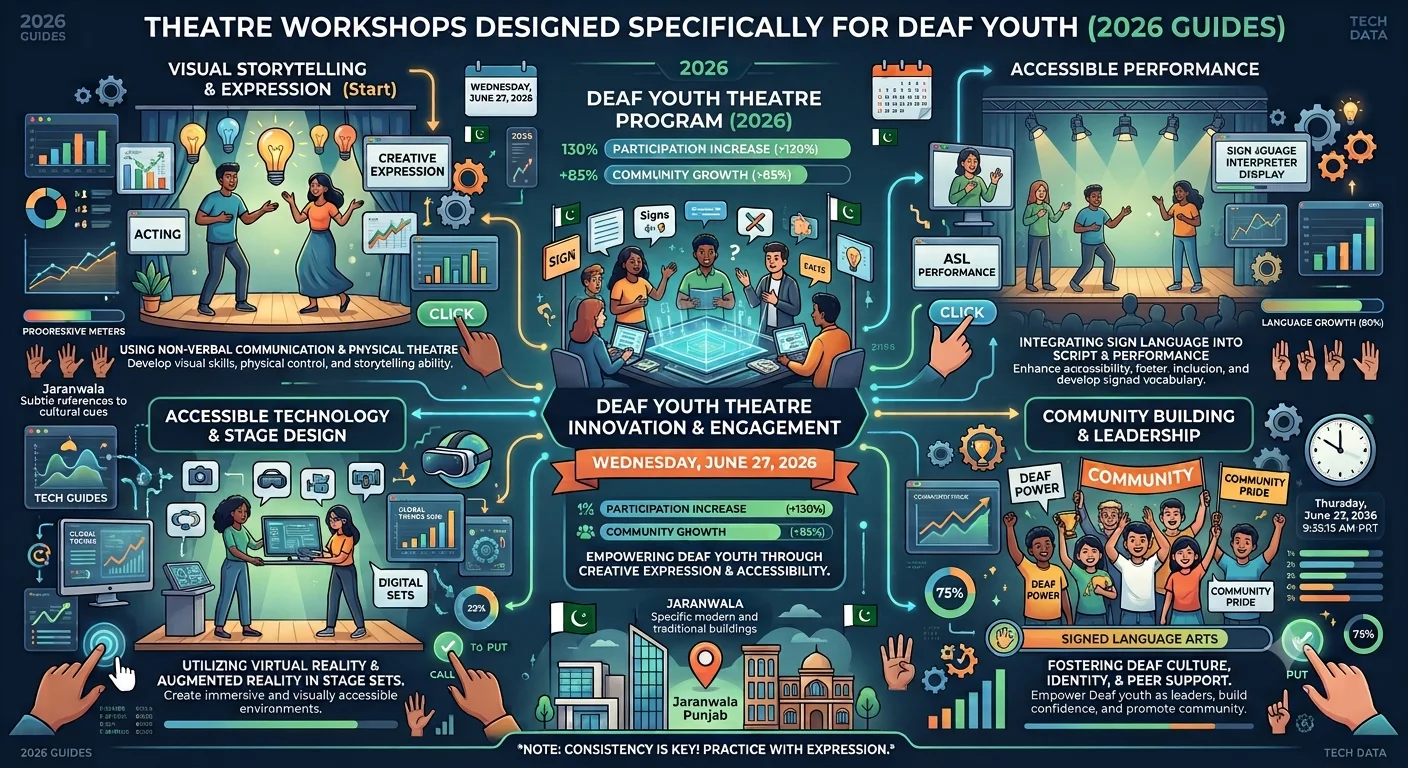
- Theatre Workshops Designed Specifically for Deaf Youth
- What Is Bilingual Deaf Education and Why It Matters
- Best Schools for the Deaf in the United States Ranked
International linguists and deaf education organizations have increasingly worked to help document and support standardization efforts for sign languages in developing countries recognizing that this linguistic foundation work is often a necessary precursor to building more comprehensive deaf education systems.
Shortage of trained deaf education teachers
Many developing countries face severe shortages of teachers specifically trained in deaf education including both sign language fluency and specialized pedagogical training for working effectively with deaf students. This shortage often means deaf children who do have access to some form of schooling may be taught by teachers without adequate sign language fluency or deaf education specific training.
International organizations and partnerships between developed and developing nation deaf education institutions have worked to address this teacher training gap through various training programs and educational exchanges though the scale of need often significantly exceeds available training capacity and resources.
The role of international deaf education organizations
Organizations like the World Federation of the Deaf and various international development organizations have worked to support improved deaf education access and quality in developing countries through advocacy resource development and direct program support. These efforts often focus on building local capacity rather than simply importing foreign educational models that may not appropriately fit local linguistic and cultural contexts.
International partnerships between universities and deaf education organizations in developed and developing countries have also created valuable opportunities for knowledge sharing and capacity building helping develop stronger local deaf education systems over time rather than creating long term dependency on external support.
Recommended Articles
 DEAF EDUCATION AND SCHOOLS
 DEAF EDUCATION AND SCHOOLS
 DEAF EDUCATION AND SCHOOLS
 DEAF EDUCATION AND SCHOOLS
Cultural attitudes toward deafness affecting education access
In some developing country contexts cultural attitudes toward deafness and disability more broadly can create additional barriers to deaf education access including stigma that may lead some families to hide or limit social interaction for deaf children rather than seeking out educational opportunities even when such opportunities exist within their area.
Addressing these cultural attitude barriers often requires community education and advocacy efforts working alongside more direct deaf education program development since improving formal educational infrastructure alone may not fully address access barriers rooted in broader social attitudes and stigma surrounding deafness within certain community contexts.
Technology and distance learning opportunities
Growing access to mobile technology and internet connectivity in many developing countries has created new opportunities for distance learning and educational resource access that may help address some traditional barriers related to limited formal deaf education infrastructure particularly in more remote areas without easy access to existing dedicated deaf schools.
While technology cannot fully replace in person sign language immersion and community connection that dedicated deaf schools provide these emerging tools offer promising supplementary resources for deaf education access in contexts where traditional educational infrastructure remains severely limited.
Successful models and ongoing progress
Despite significant ongoing challenges some developing countries have made meaningful progress in expanding deaf education access and quality through combination of international partnership domestic policy reform and growing local deaf community advocacy efforts. These successful examples provide valuable models that other developing countries facing similar challenges can potentially learn from and adapt to their own specific context.
Continued investment in deaf education infrastructure teacher training and sign language documentation and standardization remains essential for further progress though the scale of need across many developing countries means significant work remains ahead despite meaningful progress already achieved in various specific national contexts.
Why global attention to this issue matters
Deaf children in developing countries deserve the same fundamental right to language access and quality education as deaf children anywhere else in the world. Continued international attention advocacy and resource investment toward improving deaf education access and quality in developing countries represents an important global equity issue deserving sustained attention from international development organizations deaf community advocates and policy makers.
Conclusion
Deaf education in developing countries faces significant ongoing challenges including limited infrastructure teacher shortages and inconsistent sign language standardization though meaningful progress continues through international partnership and growing local advocacy efforts. Continued attention and resource investment toward this global equity issue remains essential for ensuring deaf children everywhere have access to the language rich education they deserve.
FAQ
Why do many developing countries lack a standardized national sign language?
Limited historical documentation and standardization efforts combined with regional linguistic fragmentation mean many developing countries have multiple sign language variations without a single formally established national standard.
How are international organizations helping improve deaf education in developing countries?
Organizations like the World Federation of the Deaf support deaf education improvement through advocacy resource development teacher training partnerships and capacity building efforts focused on developing sustainable local deaf education systems.
Can technology help address deaf education gaps in developing countries?
Growing mobile and internet access creates promising supplementary distance learning opportunities though technology cannot fully replace the in person sign language immersion and community connection that dedicated deaf schools provide.