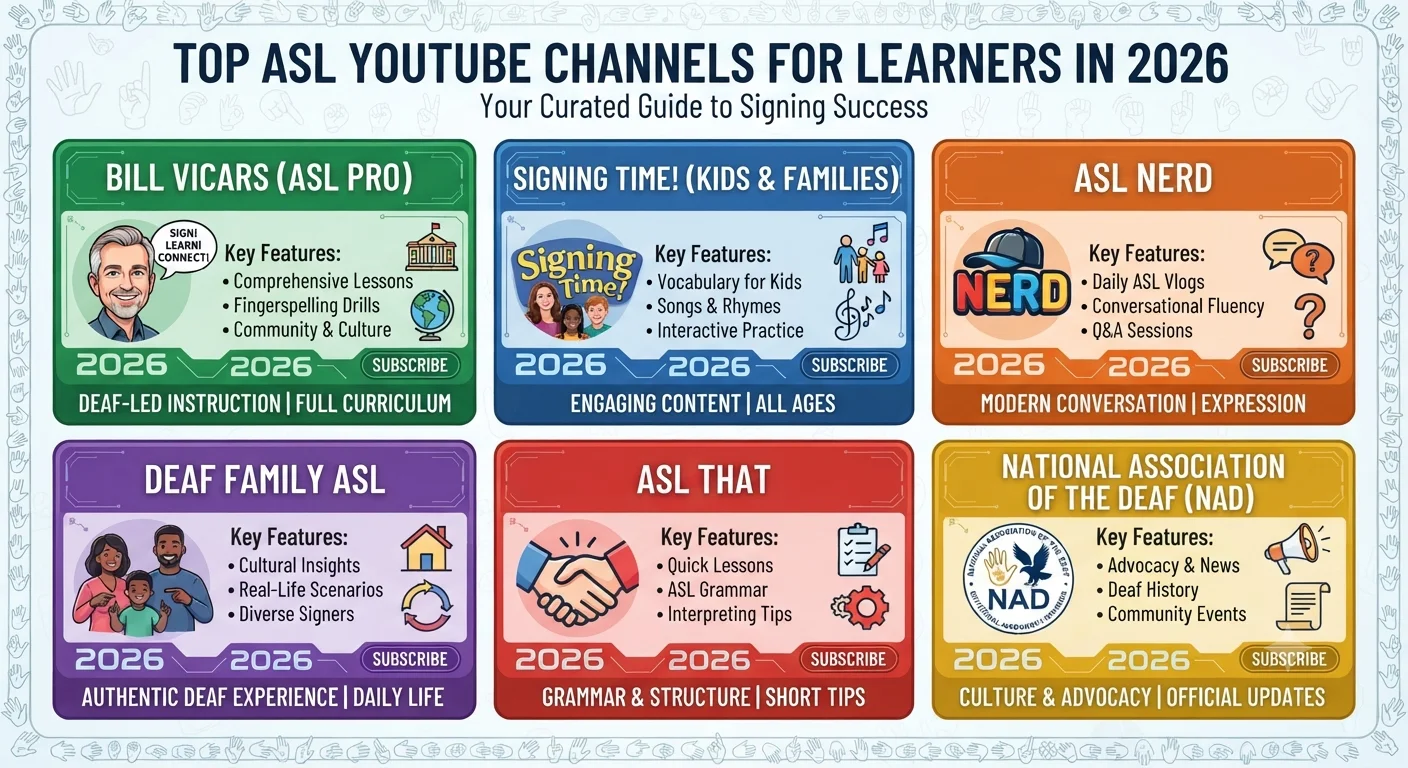
Discover the top ASL YouTube channels for learners in 2026 covering vocabulary grammar deaf culture and authentic signing from deaf creators.
YouTube has become one of the most valuable free resources available for ASL learners at every level offering everything from structured beginner vocabulary lessons to authentic deaf creator content that provides genuine immersion in natural signing. Finding the right channels for your current level and learning goals can significantly accelerate your ASL learning progress.
Why YouTube Is Valuable for ASL Learners
YouTube offers ASL learners something that textbooks and most apps cannot provide which is abundant video content showing real signing in motion with natural rhythm facial expression and the kind of authentic cultural context that only comes from content created by and for the deaf community itself. This visual immersion is particularly valuable for sign language learning since ASL is a visual language that can only be fully understood and learned through watching skilled signers rather than reading descriptions of signs.
The combination of structured educational channels and authentic deaf creator content available on YouTube means learners can access both organized lesson based instruction and natural conversational modeling within a single free platform making it an extraordinary resource for motivated self directed learners.
Channels Focused on Structured ASL Lessons
- Why YouTube Is Valuable for ASL Learners
- Channels Focused on Structured ASL Lessons
- Channels Created by Deaf Content Creators
- Channels Covering Deaf Culture Alongside Language
- How to Use YouTube Effectively for ASL Learning
- The Importance of Authentic Deaf Creator Content
- Supplementing YouTube Learning with Real Practice
- Conclusion
- FAQ
- Should ASL learners watch content made by deaf creators or only educational channels?
- How much time should ASL learners spend watching YouTube content daily?
- Can someone become conversationally fluent in ASL using only YouTube resources?
Several dedicated ASL education channels organize content systematically to guide beginners through foundational vocabulary and grammar before progressing to more advanced content. These structured channels typically organize videos by topic or skill level making it straightforward for beginners to follow a logical progression rather than randomly selecting videos without pedagogical sequence.
- ASL Emotions and Feelings Signs Complete Visual Dictionary
- How to Become a Sign Language Interpreter Career Guide
- How Signed Exact English Differs from ASL
The best structured lesson channels are led by deaf instructors or fluent signers with genuine teaching experience and often incorporate explicit grammar instruction alongside vocabulary introduction helping learners understand how ASL works grammatically rather than simply accumulating isolated signs without understanding how they function together in real sentences.
Channels Created by Deaf Content Creators
Beyond explicitly educational channels numerous deaf content creators share vlogs commentary and other authentic content primarily in ASL that provides invaluable immersion exposure for learners ready to begin engaging with natural conversational signing. This content is typically not designed primarily for learners but rather created for deaf and signing audiences which is precisely what makes it so valuable for developing genuine language intuition beyond what structured lesson content alone can build.
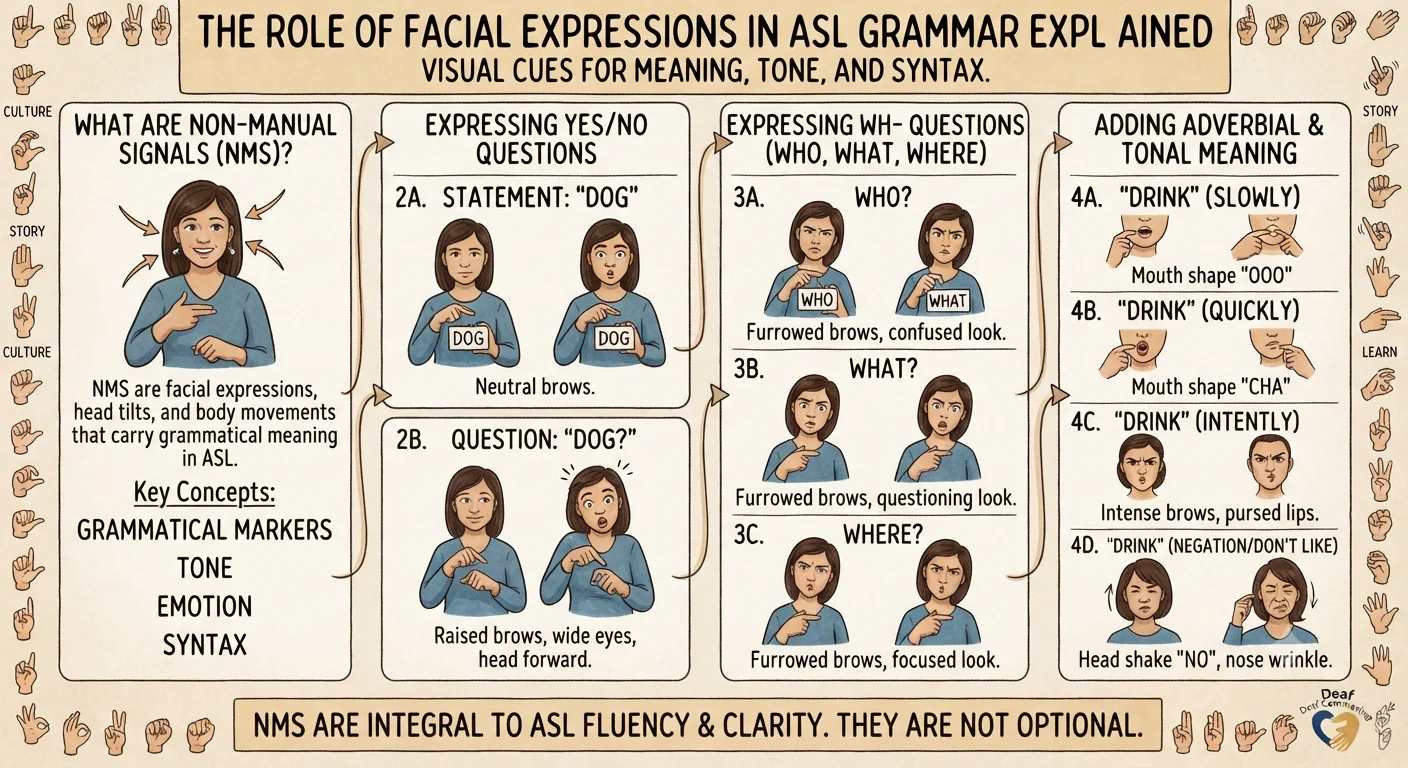
Watching authentic deaf creator content regularly even before fully understanding everything being signed trains the eye and brain to recognize natural signing patterns rhythm and facial expression that will eventually click into understanding with continued exposure and parallel vocabulary study.
Channels Covering Deaf Culture Alongside Language
Some of the most valuable ASL YouTube channels for serious learners extend beyond pure language instruction to cover deaf culture history community issues and the broader context within which ASL exists and functions. This cultural content is important because language learning without cultural context produces learners who may achieve technical signing accuracy while still lacking the cultural knowledge needed to engage respectfully and naturally within deaf community spaces.
Recommended Articles
 SIGN LANGUAGE EDUCATION
 SIGN LANGUAGE EDUCATION
 SIGN LANGUAGE EDUCATION
 SIGN LANGUAGE EDUCATION
Channels that integrate deaf cultural education alongside language instruction help learners develop the complete competency that effective cross cultural communication requires rather than narrowly focusing on language mechanics alone.
How to Use YouTube Effectively for ASL Learning
Rather than passively watching ASL content active engagement strategies significantly improve how much learners benefit from YouTube based study. This includes watching content multiple times pausing to practice specific signs or phrases using captions strategically as a comprehension support tool while gradually working to understand content without caption support as skills develop.
Creating a structured viewing habit that combines regular educational channel lessons with regular authentic deaf creator content provides the balanced input diet that most effectively supports both structured knowledge building and natural intuition development over time.
The Importance of Authentic Deaf Creator Content
One of the most important recommendations for any serious ASL learner on YouTube is to prioritize content created by deaf people for deaf audiences rather than limiting viewing exclusively to content created specifically for hearing learners. This authentic content exposes learners to natural signing that may initially feel faster or less clearly articulated than instructional content but that provides exactly the kind of genuine language modeling needed to develop real world comprehension and fluency over time.
Supplementing YouTube Learning with Real Practice
YouTube content however valuable cannot replace practice with real signers in actual conversation. Learners who supplement their YouTube study with genuine conversation practice through ASL meetups online video chat groups or relationships with deaf community members will progress significantly faster than those who rely exclusively on passive video consumption however extensive that viewing may be.
Conclusion
YouTube offers ASL learners an extraordinary collection of free educational and authentic content that can significantly support language learning when used strategically and consistently. By combining structured lesson channels with authentic deaf creator content and supplementing video learning with genuine conversation practice motivated learners can build substantial ASL skills using this freely available resource.
FAQ
Should ASL learners watch content made by deaf creators or only educational channels?
Both types of content serve important and complementary purposes with structured educational channels building organized foundational knowledge while authentic deaf creator content provides the natural language modeling needed to develop genuine conversational fluency.
How much time should ASL learners spend watching YouTube content daily?
Consistent daily viewing of even fifteen to thirty minutes combined with active practice rather than passive watching tends to produce better learning outcomes than occasional longer viewing sessions without regular practice between them.
Can someone become conversationally fluent in ASL using only YouTube resources?
YouTube can build substantial vocabulary and grammatical knowledge but genuine conversational fluency requires real practice with actual signers in conversation that video consumption alone cannot fully replicate regardless of how extensive the viewing is.